Statewide Fireworks Crackdown Tightens Penalties After Deadly Explosion
Following a deadly New Year’s Eve house-party explosion that killed multiple people, the Legislature enacted a package of stricter fireworks laws and enforcement measures. The changes raise fines, create new felony penalties and expand inspections and interdiction efforts, producing immediate effects and enforcement activity that will reach Hawaiʻi County residents.

A deadly house-party explosion tied to illegal fireworks prompted state lawmakers to move swiftly to tighten regulations and boost enforcement across Hawaiʻi. The legislative package adopted in the wake of the incident increases civil penalties, creates felony-level charges for causing serious harm or repeated violations, and directs broader interdiction efforts aimed at stopping illegal shipments before they reach communities.
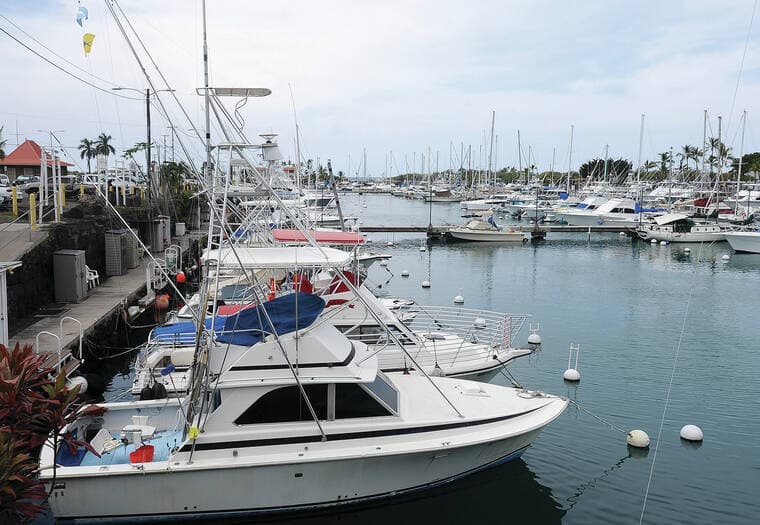
Under the new rules, offenders face higher fines, with examples including $300 citations for some violations, and prosecutors now have statutory authority to pursue felony charges in cases that result in significant injury or demonstrate repeated disregard for the law. Law enforcement and public safety leaders have signaled that prevention and enforcement will be stepped up statewide, including targeted inspections at ports and other points of entry intended to interdict illegal shipments of fireworks bound for the islands.
Locally, Hawaiʻi County is subject to the same statutory changes and is already experiencing downstream effects. Community amnesty events organized this season collected illegal fireworks, and early enforcement citations have been issued as counties and state agencies coordinate to apply the new penalties. The combination of disposal opportunities and heightened enforcement is intended to reduce the risk of further tragedies in neighborhoods across the Big Island.
The policy shift carries immediate operational implications for county agencies. Expanded port inspections and interdiction efforts require sustained coordination between state Department of Law Enforcement leadership, county police, and harbor authorities, and may strain resources already assigned to other public-safety priorities. Prosecutors will need to adapt charging practices to new felony thresholds while judges and defense attorneys face a revised legal framework for cases involving fireworks-related harm.

The changes also raise questions about community engagement and cultural practice. Fireworks are associated with longstanding holiday traditions for many residents, and officials acknowledge that addressing illegal use entails navigating cultural sensitivities while enforcing safety standards. Amnesty events have been presented as one tool to reconcile public-safety goals with community cooperation, offering residents a legal option to surrender prohibited items without criminal exposure.
For Big Island County residents, the practical consequences are clear: increased risk of citation or prosecution for possession or use of illegal fireworks, greater scrutiny of shipments arriving at island ports, and new criminal penalties where serious injury occurs. Local leaders face the challenge of balancing enforcement with outreach to ensure compliance and reduce harm, and residents should expect continued enforcement activity and public-safety messaging through the current season.
This article was produced by Prism’s automated news system from verified source data, official records, and press releases, then run through automated quality and moderation checks before publishing. The system is built and supervised by the people who set the standards it runs under. Read our full AI policy.
Did this article answer your question?