Subaru Telescope studies interstellar comet 3I/ATLAS, finds shifting chemistry
From Maunakea, Subaru Telescope helped spot shifting chemistry in 3I/ATLAS, a rare interstellar comet and a reminder that Big Island science still reaches across the solar system.
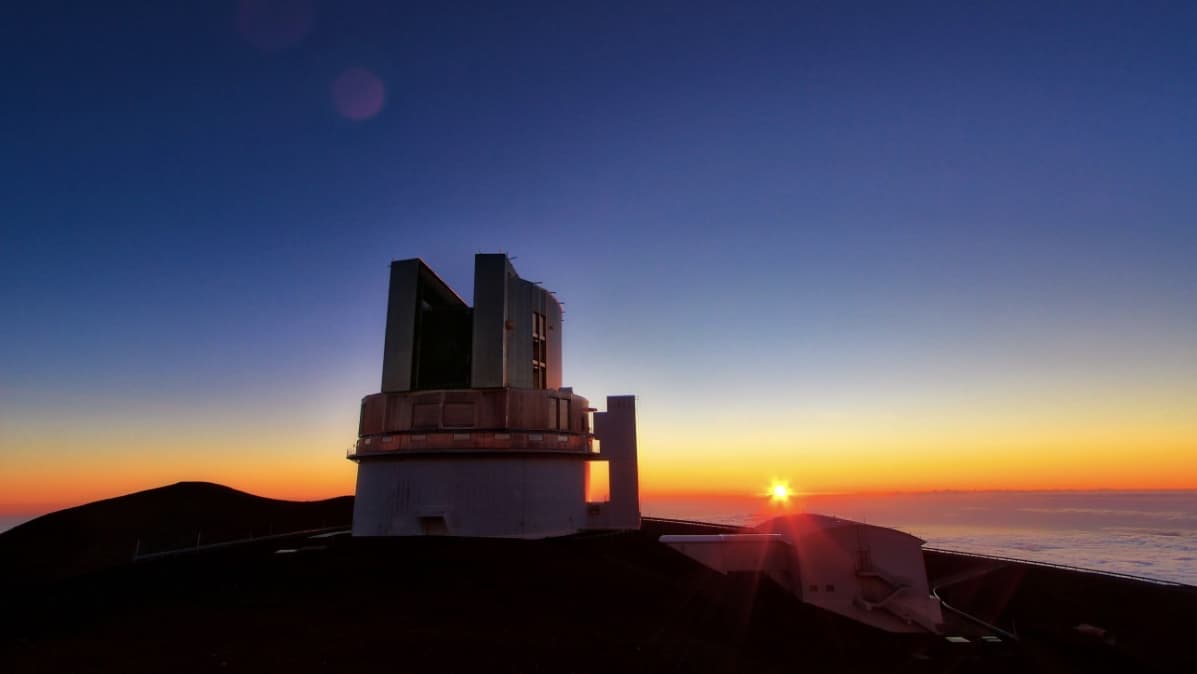
Maunakea once again put the Big Island in the middle of global astronomy, as Subaru Telescope tracked a rare interstellar comet and found signs that its chemistry changed after it swung around the sun. The work shows how the summit observatory keeps Hawaii Island tied to discoveries that begin light-years away and pass, briefly, through the solar system.
The comet, 3I/ATLAS, was first spotted on July 1, 2025, by the ATLAS survey in Río Hurtado, Chile. NASA and the European Space Agency describe it as only the third known interstellar object ever detected, following 1I/Oumuamua and 2I/Borisov. NASA says it posed no threat to Earth and came no closer than about 1.8 astronomical units, while its closest approach to the sun came around Oct. 30, 2025, at about 1.4 astronomical units, just inside Mars’ orbit.
Subaru observed 3I/ATLAS on Jan. 7, 2026, after that solar pass, and earlier captured an image of it on Dec. 13, 2025, with the FOCAS instrument. By reading the colors in the coma around the comet, the team estimated the ratio of carbon dioxide to water and found it was much lower than earlier space-telescope estimates. That points to chemistry that is still changing as the comet moves away from the sun, and it suggests the object may have a layered structure, with outer and inner material that did not form the same way.
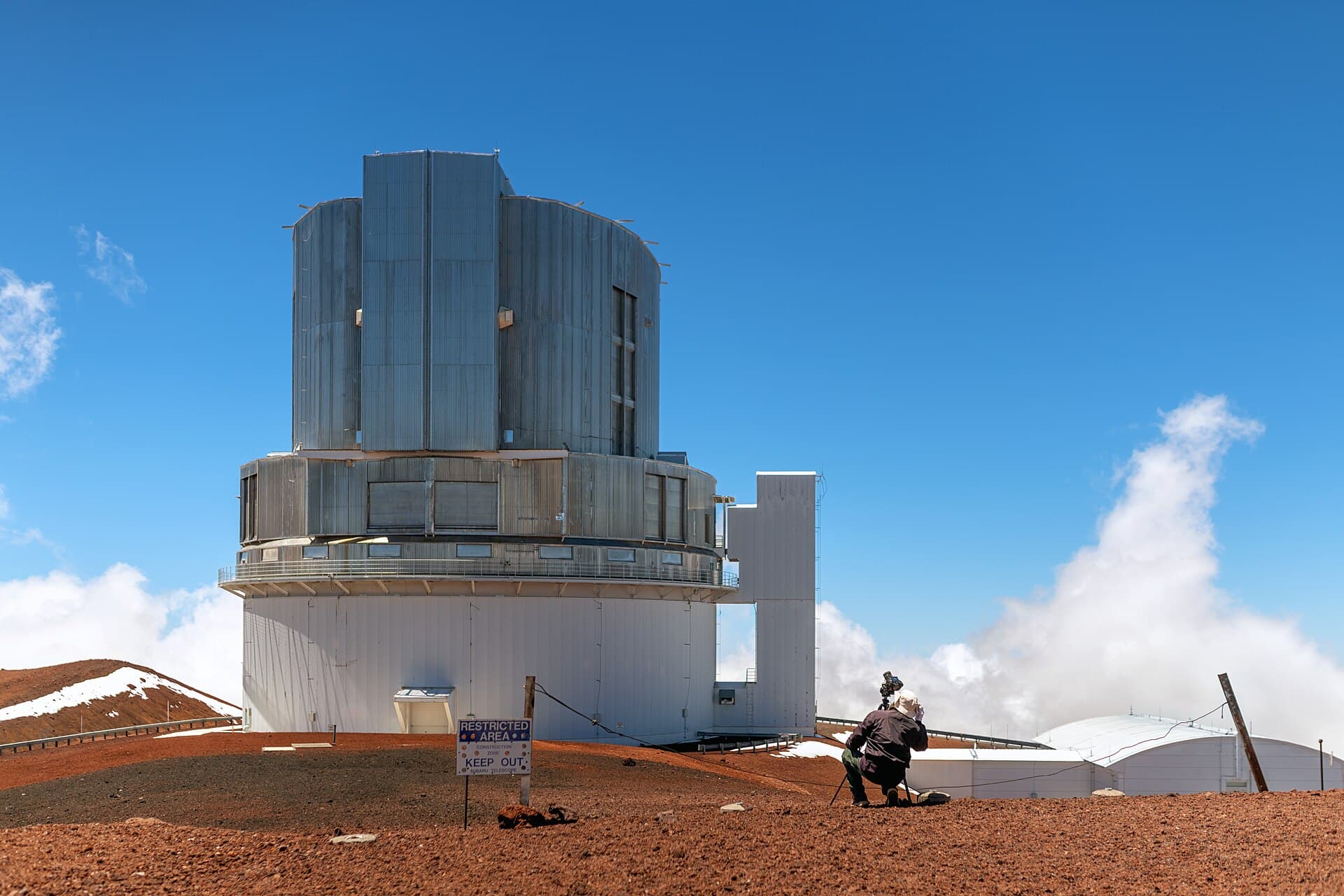
That distinction matters because 3I/ATLAS is not just another icy rock. It is a sample from another star system, carrying clues about how planets and comets build around suns beyond our own. NASA’s Hubble Space Telescope estimated on Aug. 20, 2025, that the comet’s nucleus measured between 1,400 feet and 3.5 miles across, and NASA said its speed climbed from about 137,000 mph at discovery to about 153,000 mph at perihelion. Subaru, an 8.2-meter optical-infrared telescope near the summit of Maunakea operated by Japan’s National Astronomical Observatory, remains one of the instruments making that kind of work possible from the Big Island.
This article was produced by Prism’s automated news system from verified source data, official records, and press releases, then run through automated quality and moderation checks before publishing. The system is built and supervised by the people who set the standards it runs under. Read our full AI policy.
Did this article answer your question?