Two Hilo-Area Men Arrested in Yearslong Illegal Fireworks Operation
Federal authorities announced criminal complaints and arrests tied to a scheme to ship, store and distribute illegal fireworks on Hawai‘i Island from May 2016 through August 2025. The case highlights enforcement challenges at ports and raises local public-safety and policy questions about shipment screening, community risk and resource priorities.
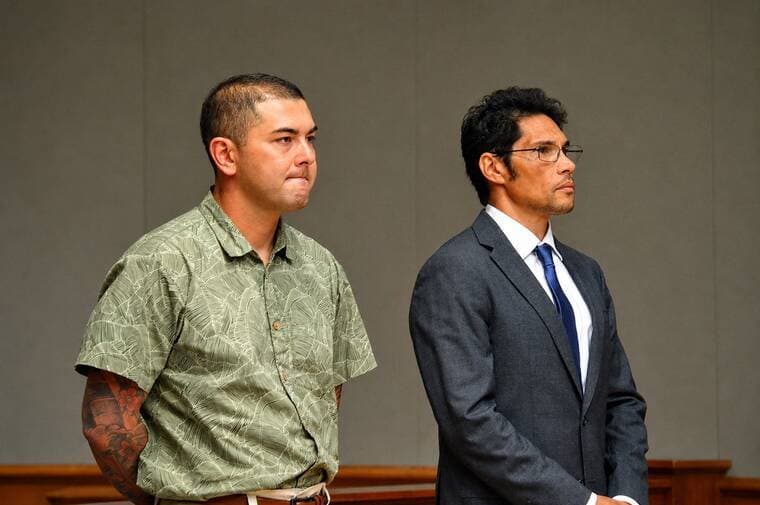
Federal prosecutors revealed that criminal complaints were filed December 26 and arrests made December 29 in a multi-count case charging 52-year-old Darrel Goo of Kea‘au and 45-year-old Cy Tamura of Hilo with a long-running operation to transport, store and distribute illegal fireworks in and around Hawai‘i Island. The U.S. Attorney’s Office reported the alleged scheme spanned roughly May 2016 through August 2025. Goo faces additional charges for being a felon in possession of firearms and ammunition.
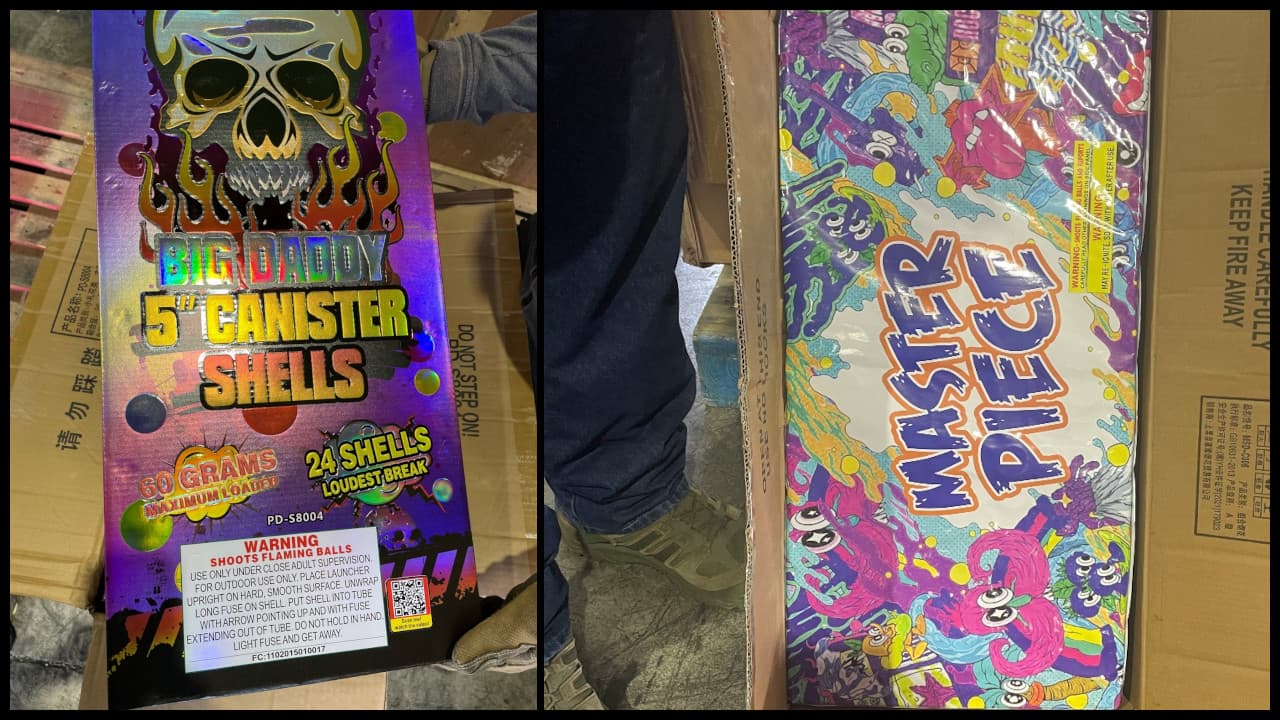
Investigators allege the defendants concealed shipments using aliases, false mainland shipping declarations that described goods as horticultural materials, and cash or money-order payments. Law enforcement conducted covert seizures of at least two shipping containers before they reached Hawai‘i and executed search warrants in August 2025 that recovered thousands of pounds of illegal fireworks, as well as cash and firearms. The federal release named participating agencies including IRS Criminal Investigation, the Bureau of Alcohol, Tobacco, Firearms and Explosives, the Federal Bureau of Investigation and the Hawaii Department of the Attorney General, among others. The release also listed charging statutes, potential penalties and contact information for the U.S. Attorney’s Office. The charges are allegations and the defendants are presumed innocent until proven guilty.
The arrest near the end of the calendar year carries direct implications for public safety on the Big Island. Illegal fireworks pose documented hazards: they can ignite vegetation and structures, cause serious injuries, and impose demands on emergency responders and medical services. The volume seized, measured in thousands of pounds, underscores the scale of product moving through supply chains that circumvent legal channels and regulatory oversight.

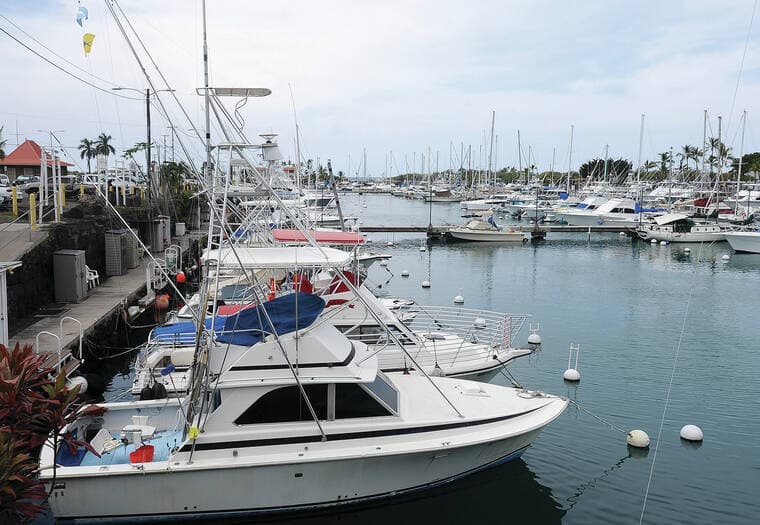
Institutionally, the case spotlights vulnerabilities in maritime and shipping processes. Prosecutors say false manifest descriptions and cash-based payments were used to mask shipments; authorities countered by intercepting containers before arrival and coordinating state and federal investigative tools. For policymakers, the investigation will likely bolster arguments for enhanced port inspections, improved cargo tracking, stronger penalties for trafficking hazardous consumer explosives, and more resources for interagency enforcement.
For Big Island residents, the case is a reminder that illegal commerce can have local consequences. Residents concerned about fireworks-related risks can report suspected illegal activity to local law enforcement and raise the issue with county and state representatives as they consider budget and regulatory priorities. The outcome of the federal prosecution will determine legal accountability and may prompt policy changes to reduce similar risks in the future.
This article was produced by Prism’s automated news system from verified source data, official records, and press releases, then run through automated quality and moderation checks before publishing. The system is built and supervised by the people who set the standards it runs under. Read our full AI policy.
Did this article answer your question?