University of Hawaiʻi Sea Grant Releases Inaugural Hawaiʻi Annual Climate Report 2025
UH Sea Grant released the inaugural Hawaiʻi Annual Climate Report 2025 showing statewide 2025 was the second-driest year in 106 years, with acute drought on the Big Island.
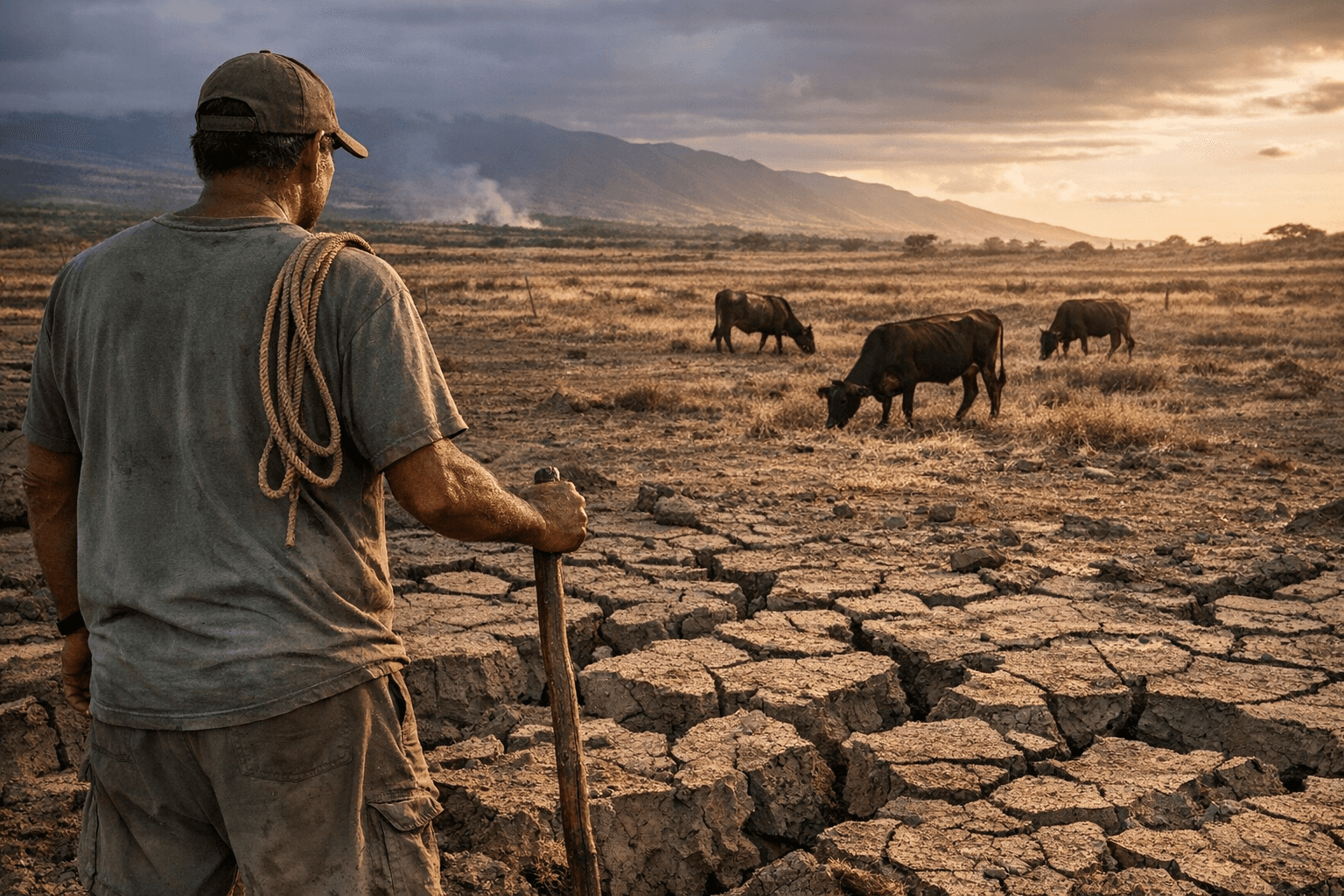
The University of Hawaiʻi Sea Grant College Program and the Hawaiʻi Climate Data Portal released the inaugural Hawaiʻi Annual Climate Report 2025, documenting a sharply drier and warmer statewide climate that will shape planning for water, agriculture, and coastal resources. Statewide rainfall in 2025 averaged about 42 inches, roughly 20 inches below the 30-year average, making 2025 the second-driest year in Hawaiʻi’s 106-year record; 2010 remains the driest year on record.
Temperatures were likewise notable. Statewide, 2025 ranked as the sixth warmest year on record, averaging 0.8°F warmer than normal. Maui and Kauaʻi each recorded their third-warmest years since 1990. Rainfall was below average in 11 of 12 months, and August 2025 ranked as the driest August in the past 35 years. The report, compiled through more than eight years of work by climate and data scientists and built on decades of monitoring, pairs plain-language summaries with easy-to-interpret maps and figures hosted on the Hawaiʻi Climate Data Portal. An interactive site allows users to examine conditions by island, ahupuaa, or watershed.
Local impacts on the Big Island are acute. The report finds 61 percent of Hawaiʻi Island experienced abnormally dry or worse conditions in 2025, with all of East Hawaiʻi affected. NOAA’s U.S. Drought Monitor placed the entire island in at least abnormally dry conditions, with 78 percent of the island in moderate drought or worse and 21 percent in either severe or extreme drought. The National Weather Service yearly rainfall roundup shows seven gauges in the Hamakua and Hilo districts recorded their driest calendar years on record. Hilo International Airport recorded 58.95 inches of rain in 2025, the driest year there since 1949 and equal to 49 percent of its long-term average of 120.39 inches.
Statewide drought breadth was substantial: by year-end, 65 percent of Hawaiʻi was classified as abnormally dry or worse, and all of Molokaʻi experienced dry conditions. The most intense drought month was February 2025, when 56 percent of the state was in severe drought or worse.
Ryan Longman, director of the Hawaiʻi Climate Data Portal and UH–Mānoa climatologist, said, “Throughout 2025, we heard people across the state talking about just how hot and dry the year felt. Now we have the data to show what people were experiencing on the ground.” Longman added, “We hope this type of reporting helps connect residents to their own lived experiences with Hawaiʻi’s climate and gives communities the information they need to plan for what’s ahead.” He also noted the role of climate variability, saying, “In 2010 was a pretty strong El Nino, so it’s not surprising we had a pretty dry year. But last year wasn’t an El Nino, and we had a really dry winter, and everybody thought there was going to be a lot more rain.”
For Big Island County, the report provides a new baseline for water managers, farmers, ranchers, and community planners to align emergency response, watershed management, and long-term resilience work. The university plans to expand on-the-ground observations with Hawaii Mesonet data and to publish monthly climate update summaries later this spring, giving residents and officials a continuing tool to track shifting conditions and plan accordingly.
This article was produced by Prism’s automated news system from verified source data, official records, and press releases, then run through automated quality and moderation checks before publishing. The system is built and supervised by the people who set the standards it runs under. Read our full AI policy.
Did this article answer your question?