White Nene roasts Kona coffee as a specialty craft
White Nene shows how Kona coffee can earn more as specialty craft, with Mark Kove pairing roasting, grower collaboration and pricing power around quality.
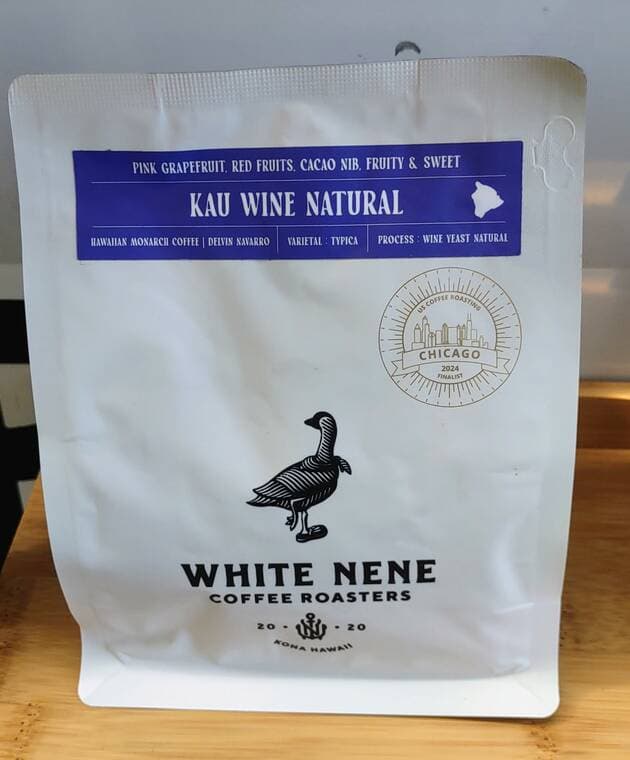
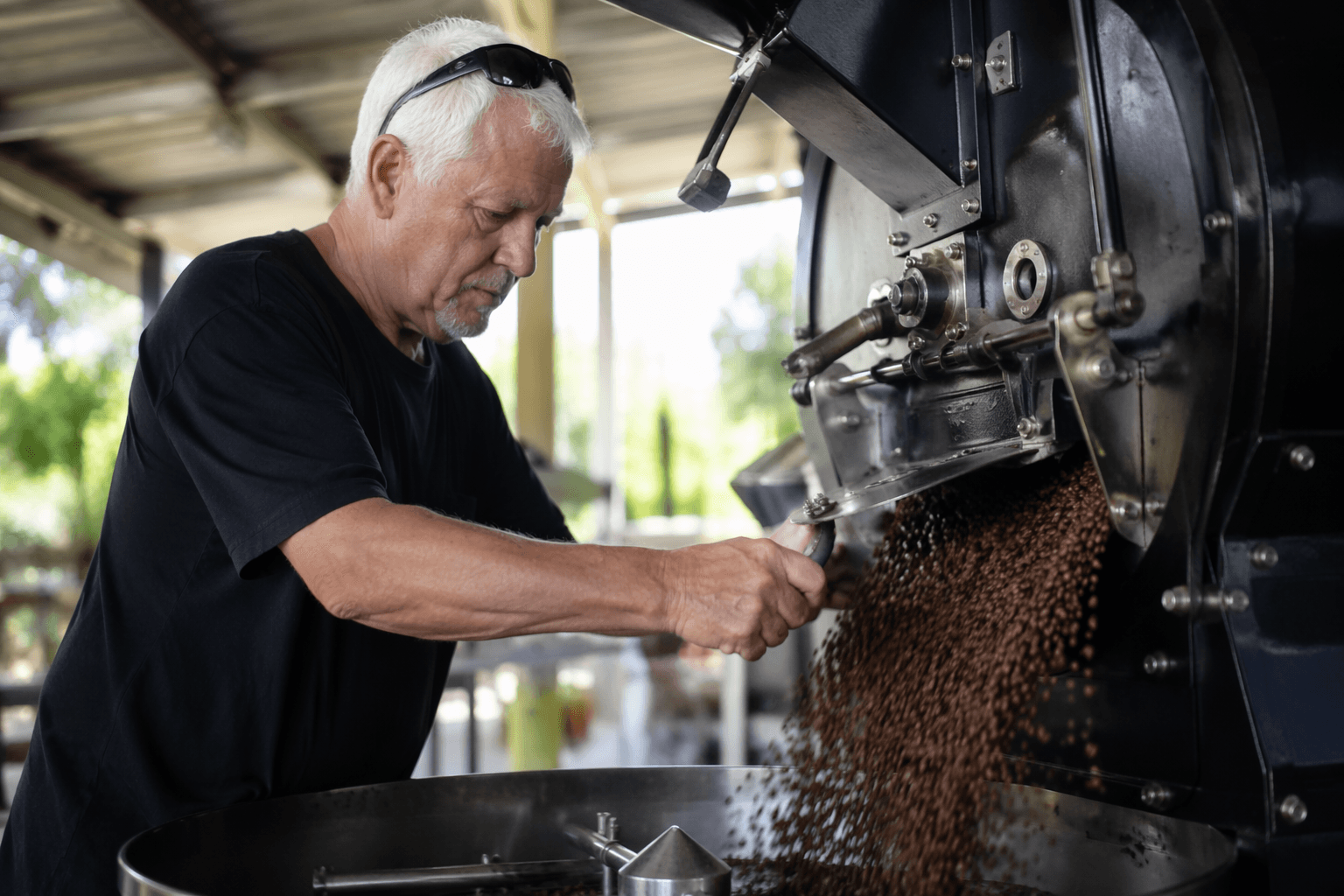
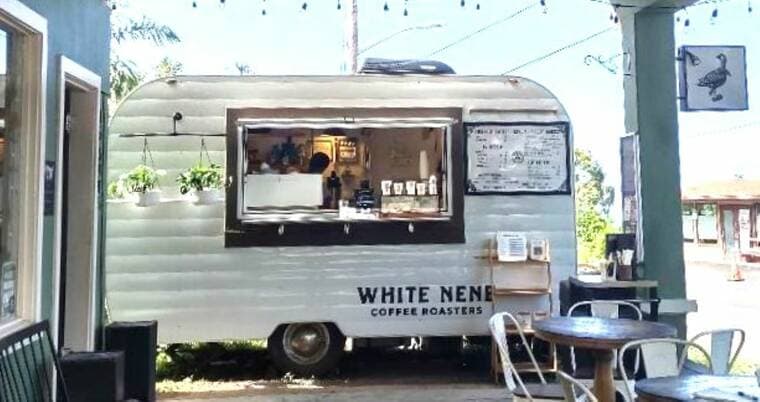
White Nene’s Kailua-Kona roastery is built around a simple economic bet: Kona coffee earns more when it is treated as a specialty product, not just an origin label. Owner and master roaster Mark Kove works with a small group of Big Island farmers on how the beans are processed before they ever reach the roaster, aiming for cups that show sweetness, structure and complexity instead of a generic coffee profile.
How White Nene is different
White Nene presents itself as a specialty micro-roastery that builds relationships with local farmers, other small businesses and customers while promoting Hawaiian coffee. That model matters because specialty coffee is not only about roasting skill, it starts in the field and the mill, where picking standards and processing choices shape what the roaster can bring out later.
Kove’s approach collapses the usual distance between farm and final cup. Instead of buying beans as a finished commodity and trying to mask variation, he helps decide how the crop should be handled so the roast can amplify the bean’s strengths. In a county where coffee is often marketed by place name alone, that kind of collaboration is one of the few ways to turn local identity into higher-value product.
Why the pricing story matters on Hawaii Island
The broader Kona coffee economy depends on premiums, not volume. University of Hawaii College of Tropical Agriculture and Human Resilience notes that Kona coffee is produced on small farms averaging about four acres, with production, harvesting and processing all done by hand. That structure keeps output limited, which is part of what supports premium pricing, but it also means every decision that improves quality can have an outsized effect on income.
Statewide numbers show how much value is at stake. In the 2023-2024 season, Hawaii coffee was cultivated on about 1,000 farms across 7,400 acres on five Hawaiian Islands, producing 3.4 million pounds of green coffee valued at $67 million, with an average price of $19.50 per pound. Farmers still faced weather losses, Maui wildfire smoke impacts and labor shortages, which makes the shift toward higher-margin specialty sales more important, not less.
For Big Island growers, the appeal of a roaster like White Nene is that it can help convert a small harvest into a larger return per pound. That is the business case behind direct customer loyalty, transparent sourcing and careful processing: they can move coffee farther away from commodity pricing and closer to a branded, repeatable premium.
The science and history behind Kona’s premium
Kona’s coffee economy did not develop in a vacuum. University of Hawaii coffee research in Kona began with a field office in 1928, and the UH Agricultural Experiment Station was established in Kainaliu in 1930 to help growers. That long-running research presence helps explain why Kona remains one of the state’s most closely watched coffee regions: science, farming and processing have always been linked here.
The scale of coffee production has also changed over time. A UH publication said Hawaii had 7,100 acres in coffee in 2018, up from 2,100 acres in 1985. Even with that growth, the market remains small enough that quality shifts, disease pressure and processing bottlenecks can reshape business outcomes quickly.
Kona’s own geography is part of the story. Hawaii County’s Kona Coffee Belt mapping is based on Resolution No. 342-98 and county GIS data, which reinforces how closely the county treats the coffee-growing zone as a defined economic region. The Kona Extension Office in Kealakekua, at 79-7381 Mamalahoa Highway, remains one of the most practical local touchpoints for growers trying to navigate production problems or evaluate new approaches.
What makes the craft model risky and necessary
Kona coffee faces unusually heavy biological pressure. UH research says about 85% of the land planted with coffee in Kona is infested with the Kona coffee root-knot nematode, and farms with the pest may be losing about 60% of their yield potential. That kind of damage narrows the path to profitability, because the more yield falls, the more producers have to rely on price, quality and differentiation to survive.
UH coffee research also describes the disease historically known in Kona by several names, including transplanting decline, replant problem, nutritional stress and Kona wilt. The naming itself shows how long growers have wrestled with the same underlying production problem, even as the market has kept demanding better coffee.
That is where the craft-roasting model becomes more than a branding exercise. If a grower is already facing pest pressure, hand labor and limited acreage, then every point of quality that can be preserved through processing and roasting becomes part of the farm’s financial defense. White Nene’s relationship-based approach sits squarely in that gap between agricultural risk and final retail value.
Labeling rules are tightening the market
Coffee branding on Hawaii Island has long been tied to disputes over how much local bean is really in a package. Hawaii law HRS 486-120.6, which governs labeling requirements for Hawaii-grown roasted or instant coffee, was updated effective July 1, 2024. The change matters because labeling rules influence how much of the Kona name can be used, and therefore how easily producers can claim the premium attached to the region.
Those disputes have had real financial consequences. West Hawaii Today reported that Hawaiian farmers had received $21.35 million in settlements in the Kona coffee labeling dispute, a reminder that the fight over origin labeling is not symbolic. It shapes who gets paid, how much they get paid and whether the Kona name functions as a protected value signal or a loosely used marketing term.
For businesses like White Nene, tighter identity statements and stronger product differentiation work in the same direction. They reward roasters that can prove quality through sourcing, processing and roasting discipline instead of leaning on the label alone.
What Mark Kove’s record signals
Kove’s reputation adds another layer to White Nene’s business story. In 2022, the Hawaii Coffee Association’s SCA US CoffeeChamps preliminaries named Mark Kove of White Nene Coffee Roasters the top roaster competitor. That kind of recognition matters because it places the company’s owner in a broader craft-roasting field, not just a local retail niche.
Taken together, White Nene’s sourcing, roasting and educational posture show where Kona coffee can go next. The future of Hawaii Island coffee will not depend only on how much coffee the county grows, but on how many producers can move from a commodity mindset to a specialty model that earns more per pound, deepens customer loyalty and keeps more value on the island.
This article was produced by Prism’s automated news system from verified source data, official records, and press releases, then run through automated quality and moderation checks before publishing. The system is built and supervised by the people who set the standards it runs under. Read our full AI policy.
Did this article answer your question?