Extreme drought persists in western Broward, much of Florida
Extreme drought remains over western Broward, where Everglades-edge neighborhoods face wildfire risk and tighter watering rules as the Biscayne Aquifer stays under strain.
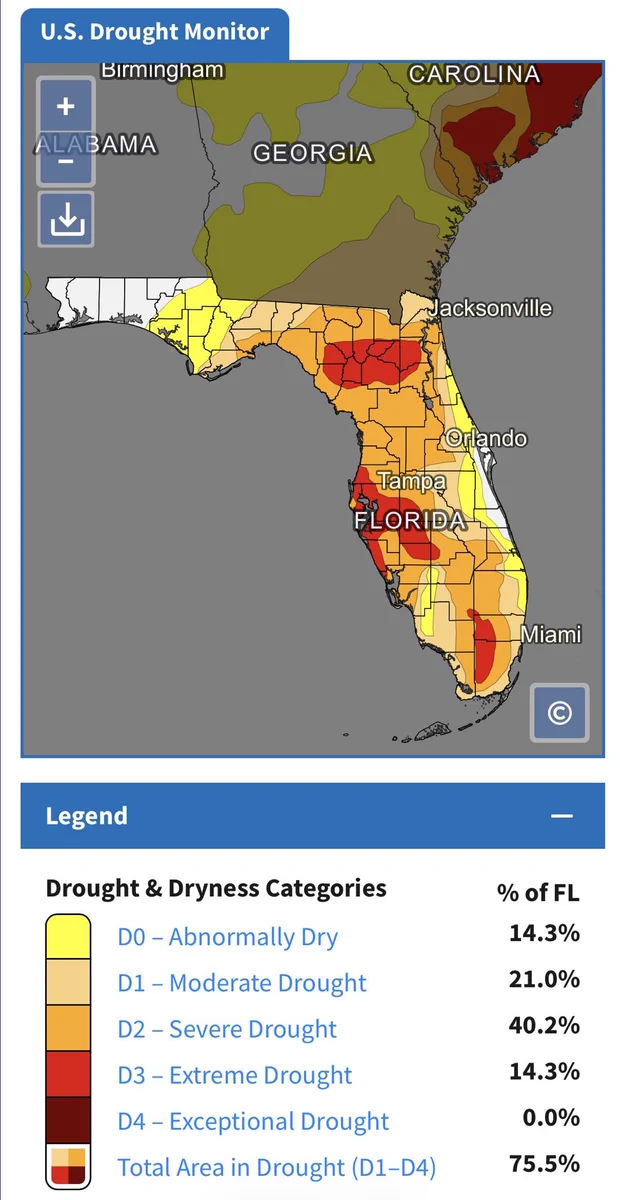
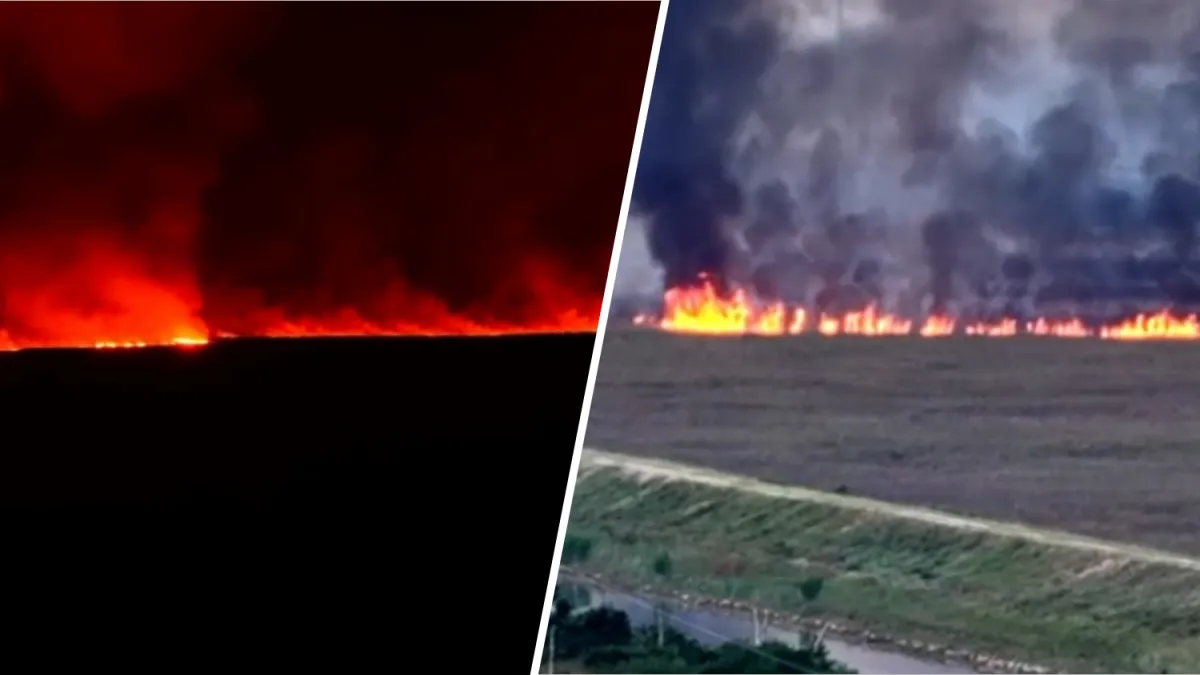
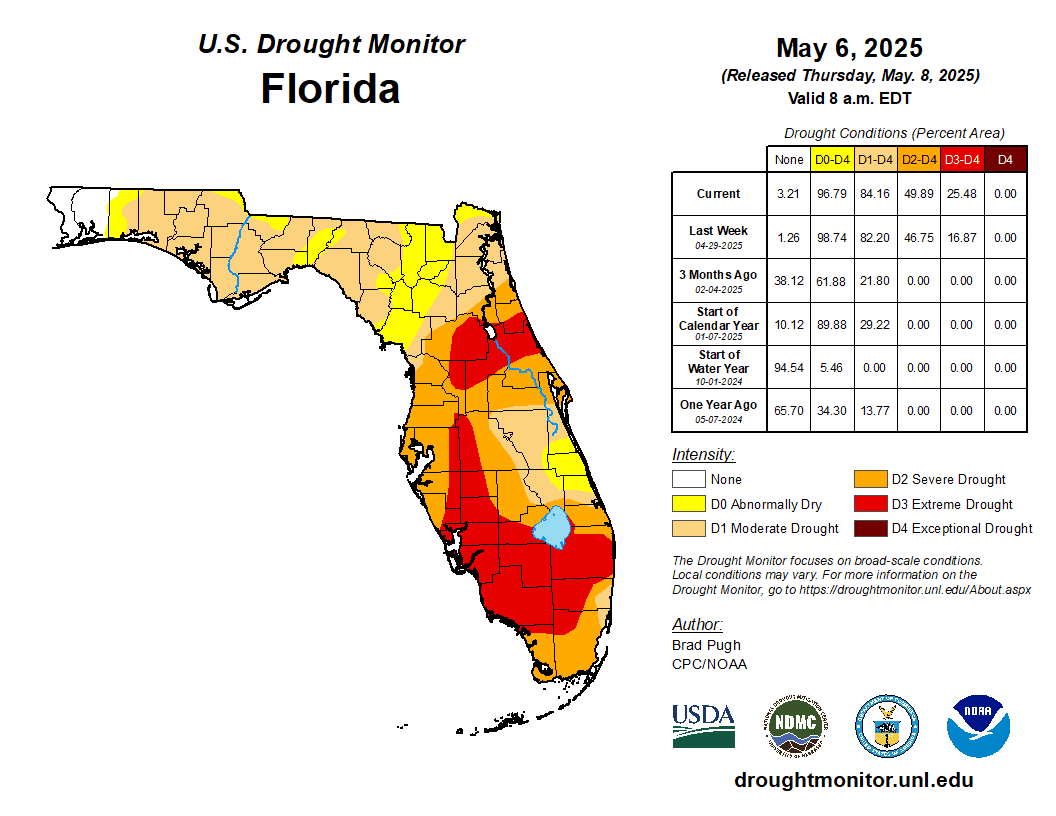
The latest U.S. Drought Monitor map valid July 14 shows extreme drought over western Broward again, and the dry belt now reaches into parts of Miami-Dade. In western Broward, where development runs up against the Everglades, drought is already feeding fire danger: the Max Road fire west of U.S. 27 burned more than 11,400 acres before it was contained, and the Atlantic Fire near Sawgrass Expressway and Commercial Boulevard grew to 5,780 acres and was 60% contained June 30.
The state map shows extreme drought and broader drought categories across Florida, with severe drought covering much of the state. Last year was warmer and drier than normal, and extended periods of below-normal rainfall left drought in place for most of 2025 in parts of South Florida. 2025 was comparatively less active than 2024, when three hurricanes passed very close to South Florida and a record-setting tornado outbreak hit the region.
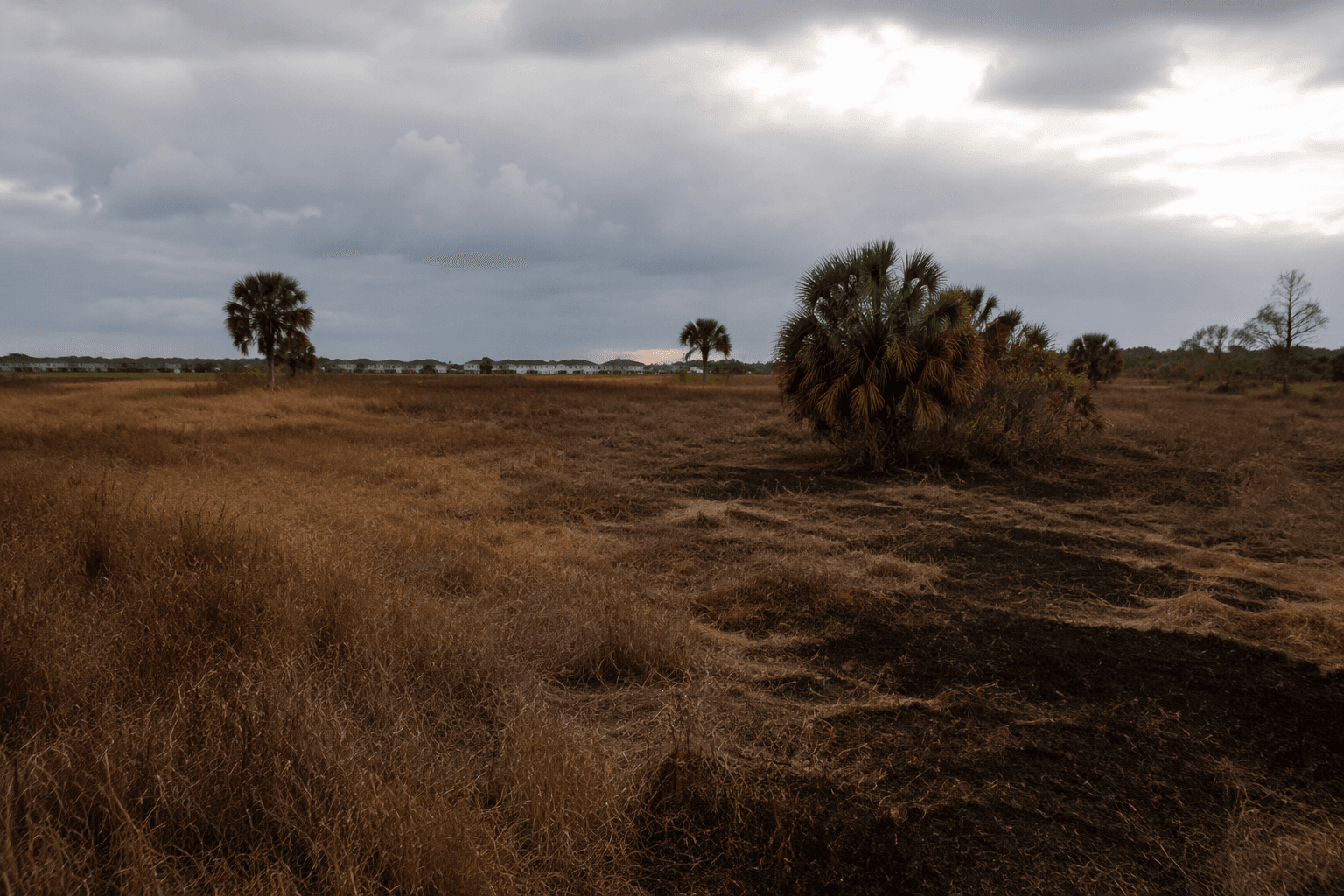
Broward County tracks drought for impacts on water supply, public health and agriculture because the county’s drinking water comes mostly from the Biscayne Aquifer. That aquifer depends on local rainfall and seepage from the Everglades, and limited storage capacity makes drought especially damaging even though Florida ranks among the rainiest states.
Local governments can tighten watering limits when drought worsens. For homeowners in western Broward, that means checking local watering schedules, cutting extra irrigation, and being ready for tighter limits if rainfall does not return.
The National Weather Service office in Miami’s Aug. 21, 2025 drought statement listed drought conditions across South Florida, and it updated the outlook again Sept. 4 as the dry stretch continued. NOAA’s Dec. 3, 2025 winter and dry-season outlook expected La Niña to favor warmer and drier-than-normal dry-season conditions, leaving Broward, Miami-Dade and the Everglades edge exposed to more stress if the pattern holds.
This article was produced by Prism’s automated news system from verified source data, official records, and press releases, then run through automated quality and moderation checks before publishing. The system is built and supervised by the people who set the standards it runs under. Read our full AI policy.
Did this article answer your question?