History Fort Lauderdale exhibit explores Florida’s changing landscapes
Tim Forman’s free summer show at History Fort Lauderdale turns Broward’s shifting shoreline, wetlands and neighborhoods into a local mirror. The exhibit asks what South Florida has lost, preserved and rebuilt.
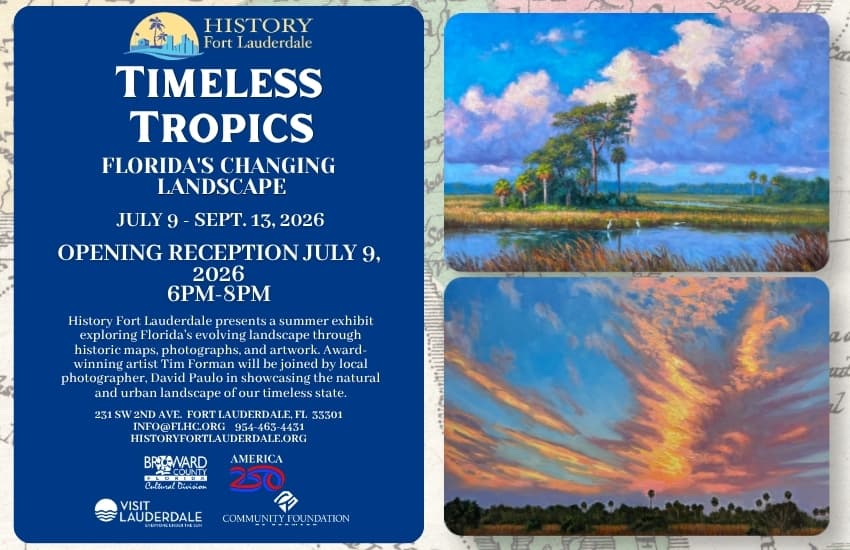
Tim Forman’s oil-on-canvas landscapes at History Fort Lauderdale turn Broward’s fast-changing ground into a local mirror, from wetlands and canals to the built-up neighborhoods that now define the county. The free summer exhibition, “Timeless Tropics: Florida’s Changing Landscapes,” gives residents a place to measure what South Florida has lost, what it has preserved and what development has transformed.
A Broward story, not just a gallery stop
The exhibit lands in a county where landscape is never just scenery. Broward is the seventh-largest county in Florida and the second-most populous, a scale that has brought pressure on land, water and public infrastructure as neighborhoods expand and shorelines keep shifting. Broward County planning documents also describe Southeast Florida as one of the most vulnerable regions in the United States to climate change impacts, which makes any artistic look at place feel immediately current.
That is why the title matters. “Timeless Tropics: Florida’s Changing Landscapes” points straight at the tension residents know well: the pull between Florida’s natural identity and the reality of growth, drainage, filling and rebuilding. In a county where development pressures have converted part of the historic wetlands into lakes and filled land, a landscape show becomes a way to read the county’s past in the ground beneath it.
What the exhibit brings to the room
History Fort Lauderdale’s archive page uses the title “TIMELESS TROPICS: FLORIDA’S CHANGING LANDSCAPE,” while a related event listing describes it as a fine art exhibit featuring Tim Forman’s oil-on-canvas masterworks. A social post frames it as a free summer fine art exhibition at History Fort Lauderdale and highlights Forman as an award-winning artist whose work focuses on Florida’s changing landscape.
Those details make the show more than a generic art display. Forman’s medium, oil on canvas, suggests the kind of layered, deliberate work that can hold both beauty and loss in the same frame. In Broward, where a familiar stretch of wetlands, a canal edge or a shoreline can change fast enough to feel erased, that visual language carries local force.
The strongest Broward connection here is not abstract. A landscape exhibit in Fort Lauderdale invites viewers to compare what they see in the paintings with what they know from the New River, the museum’s own campus, the county’s wetlands, and the shoreline that keeps absorbing the pressures of growth. Even without a policy memo on the wall, the subject matter points residents back to the real choices shaping the county.
Why History Fort Lauderdale is the right setting
The venue gives the exhibit weight. History Fort Lauderdale says its mission is to bring history to life through educational experiences, cultural exhibits and research, and that mission fits a show built around place, memory and change. This is not a neutral rental hall; it is a museum that treats local history as something to be seen, studied and carried forward.
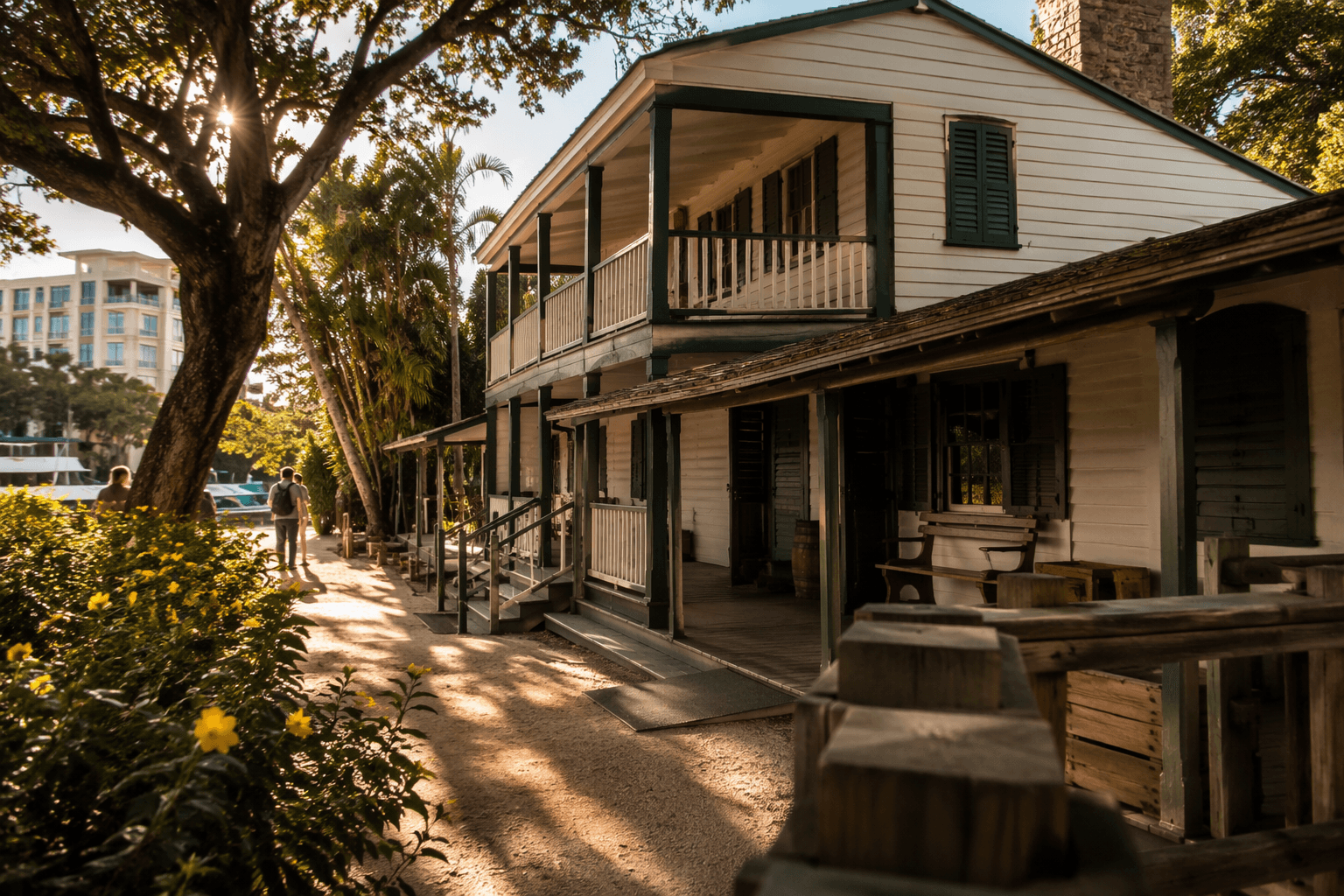
The museum campus on the New River adds another layer. Its historic core includes the 1905 New River Inn, which History Fort Lauderdale describes as the first building in Broward County to be listed on the National Register of Historic Places. That setting matters because it places a contemporary art exhibit inside a structure tied to the county’s own development story, linking the old riverfront landscape to the Broward that grew around it.
History Fort Lauderdale also folds education into its public role through field trips and artist-in-residence studios. That makes events like this useful for more than a quick visit. Families can treat it as a museum outing, students can use it as a visual entry point into South Florida history, and longtime residents can use it to compare memory against the built environment around them.
Why it matters now in Broward
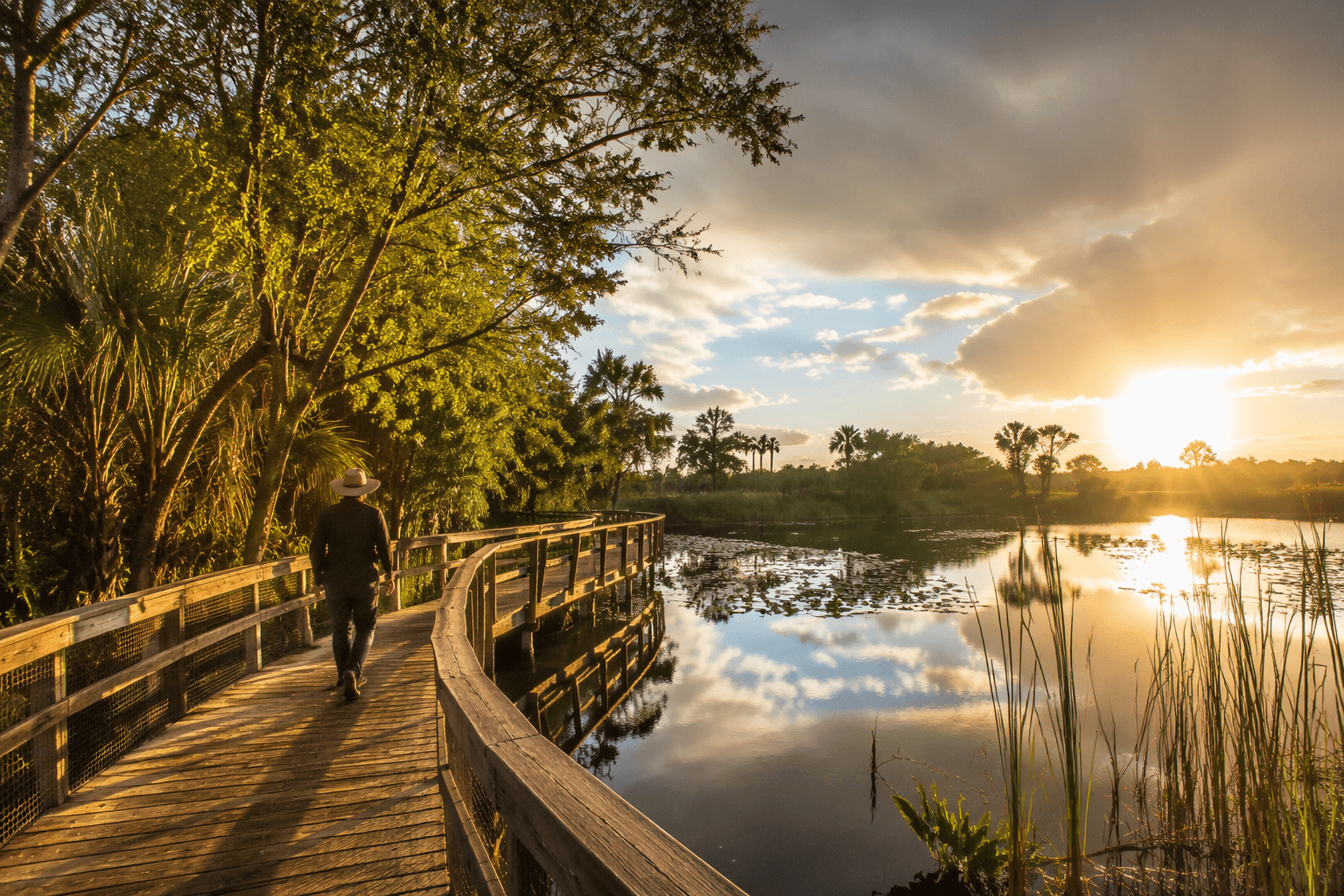
The exhibit arrives at a time when Broward residents are making decisions about resilience, growth and conservation almost constantly. The county’s wetlands history materials note that two-thirds of Broward County is set aside, even as development pressures have altered historic wetlands into lakes and filled areas. That tension sits at the center of daily life here, from drainage work to shoreline protection to the long argument over how much land should stay open and how much should be built out.
That is also why a landscape exhibit can resonate across generations. Older residents may see the show as a visual record of what has disappeared or been pushed aside. Newcomers may see it as an introduction to the environmental realities that shape everything from flood planning to park space. For families deciding what kind of county Broward should be, the exhibit offers a reminder that land use is not an abstract planning issue, it is the story of home.
The broader arts landscape in the county points the same direction. NSU Art Museum Fort Lauderdale has also centered landscape in its 2026 exhibition programming with “Defining Landscapes,” showing that Broward institutions are treating the natural world as a serious subject for civic reflection. In that context, “Timeless Tropics” fits a larger regional conversation about what gets preserved, what gets built over and what still defines South Florida when the skyline and shoreline keep changing.
This article was produced by Prism’s automated news system from verified source data, official records, and press releases, then run through automated quality and moderation checks before publishing. The system is built and supervised by the people who set the standards it runs under. Read our full AI policy.
Did this article answer your question?