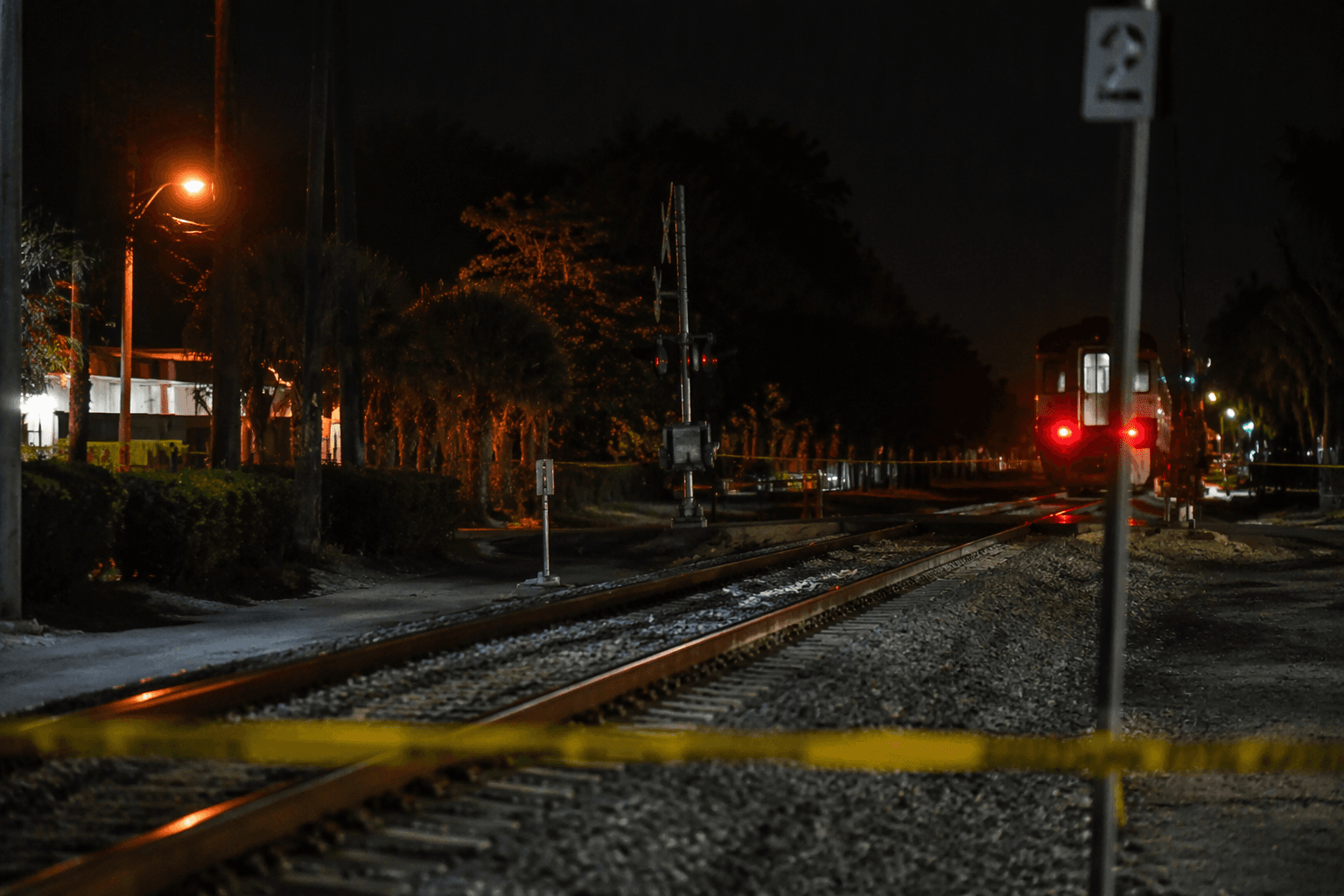
Holey Land wildfire fully contained after burning 5,000 acres in western Broward
Firefighters fully contained a 5,000-acre blaze in western Broward near the Palm Beach line, where smoke threatened nearby communities.
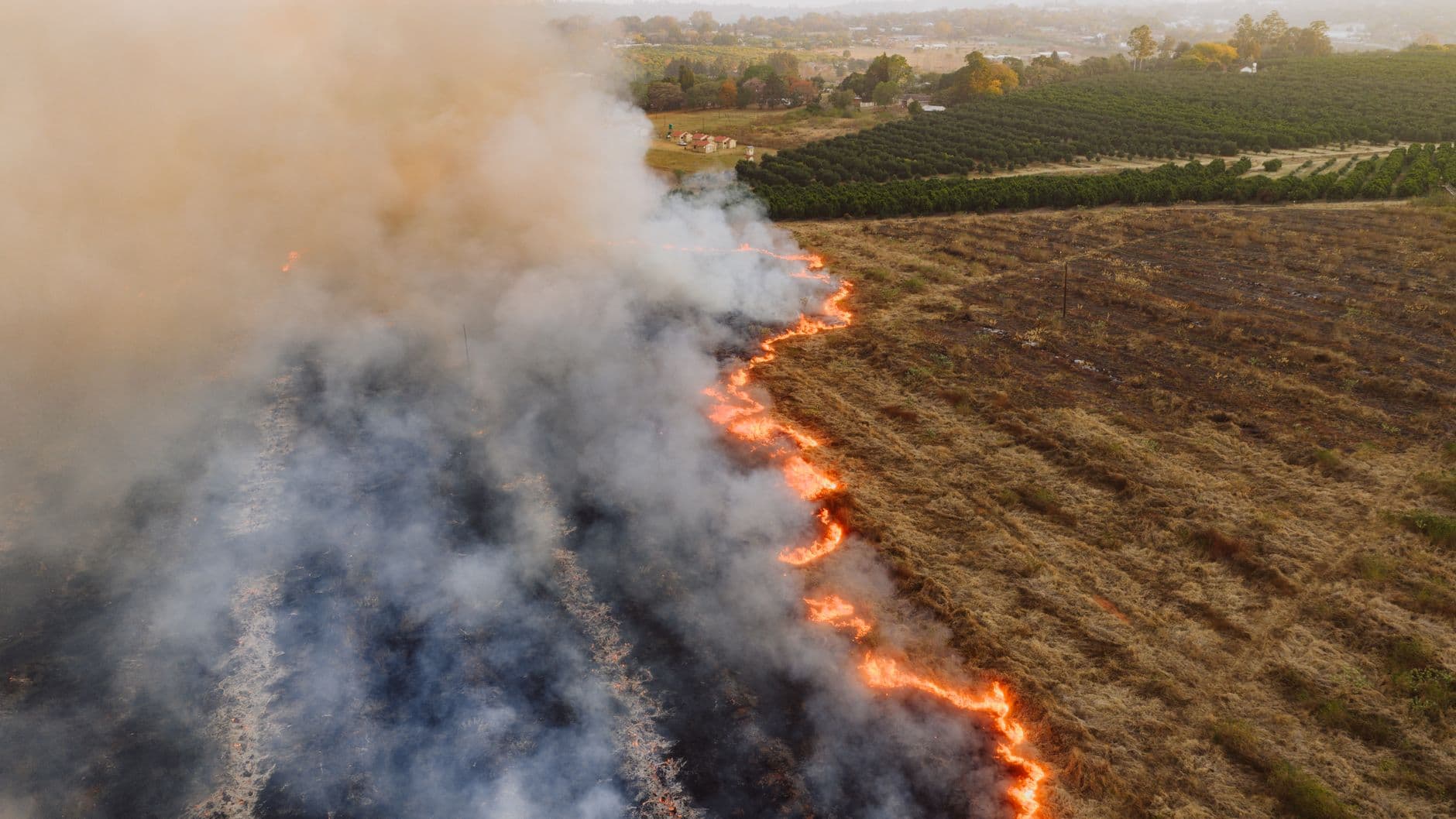
Firefighters fully contained the Holey Land wildfire in western Broward County after it burned about 5,000 acres over several days, with ground crews and aircraft used to stop the spread near the Broward-Palm Beach county line. The fire’s location raised smoke concerns for nearby communities in both counties even as crews kept it from growing beyond the wildlife area.
The blaze tore through the Holey Land Wildlife Management Area, a stretch the Florida Fish and Wildlife Conservation Commission says sits at the northernmost extent of remaining Everglades sawgrass marsh. That put the fire in one of South Florida’s most sensitive natural landscapes, where open marsh can carry flames and smoke quickly across long distances.
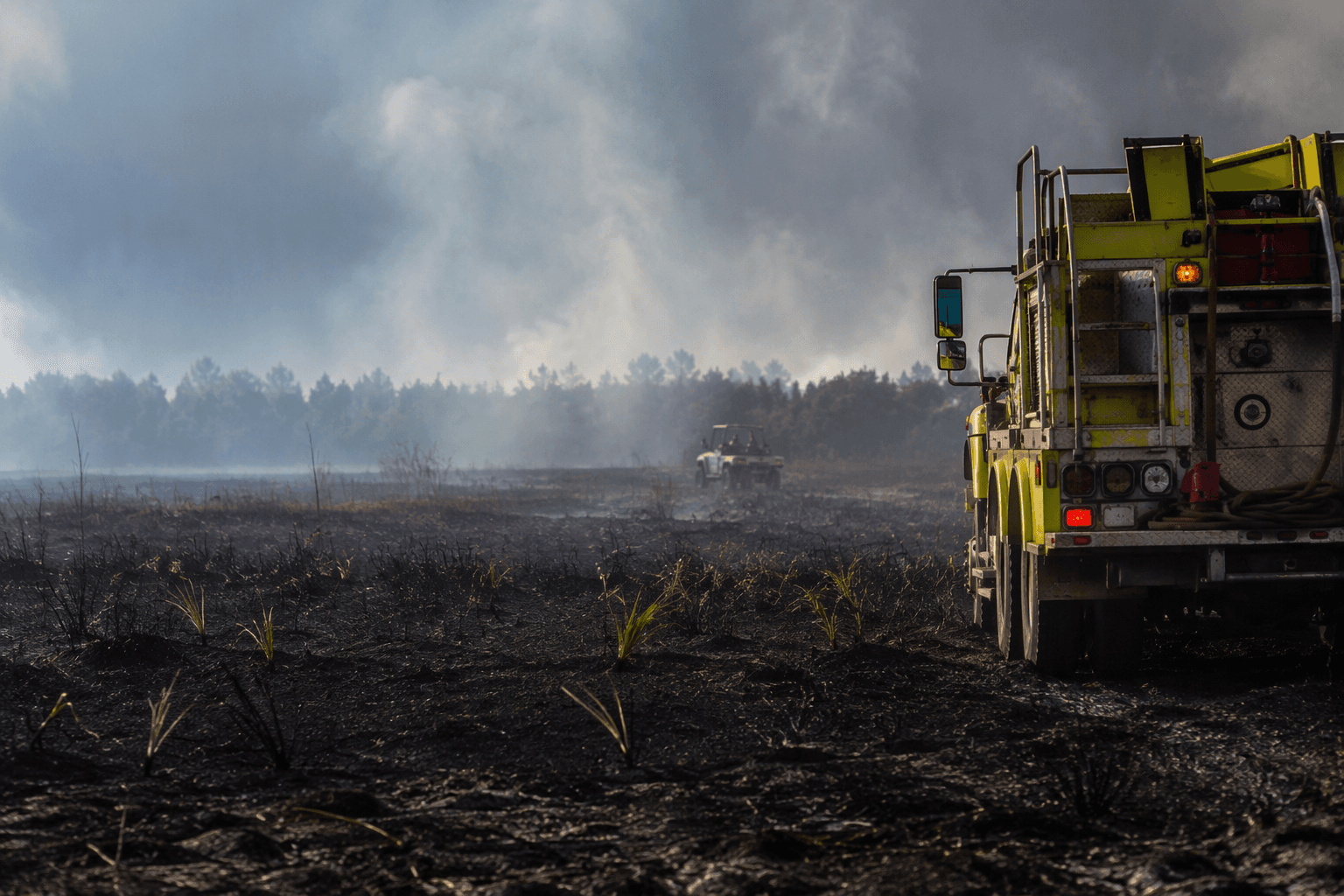
Containment improved quickly. On July 30, the fire had reached 5,400 acres and was 50% contained, with the Florida Forest Service tracking the progress. By July 31, wildfire trackers listed the fire at 5,000 acres and 100% contained, signaling that crews had stopped further spread even after several days of work on the ground and in the air.
The incident landed during a season when South Florida was already watching for fire danger. In May, the South Florida Sun Sentinel warned that wildfire risk could remain elevated for months despite the start of the wet season, a reminder that rain alone does not erase the effects of dry ground and marsh fuel.
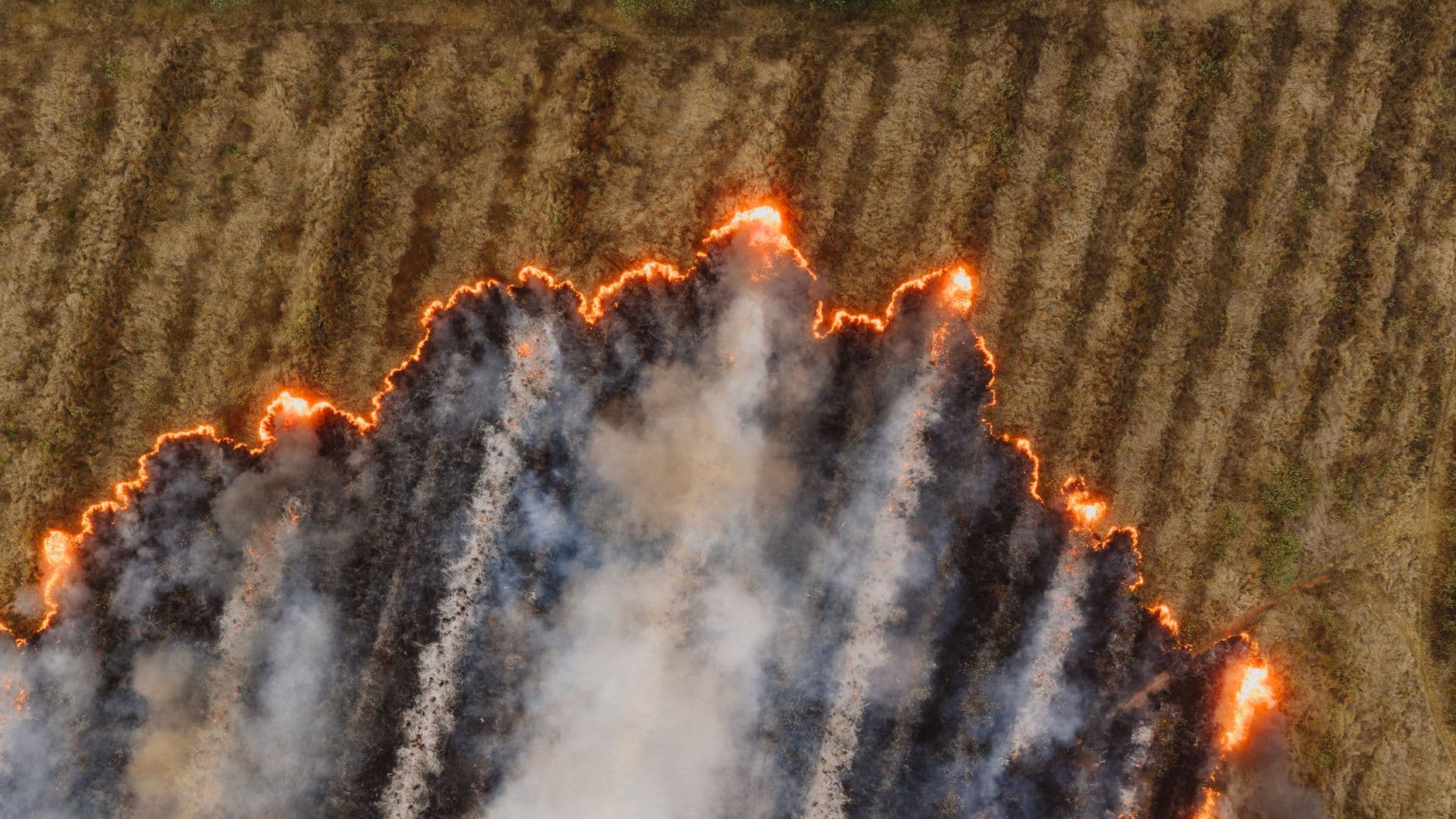
The Holey Land site also sits inside a larger public-land network that shapes daily life well beyond the burn scar. FWC says Florida’s Wildlife Management Areas cover more than 6.1 million acres of public land, and the Holey Land area is part of the Everglades and Francis S. Taylor Wildlife Management Area system. For Broward and Palm Beach residents living nearest the county line, the immediate concern was smoke, but the broader issue is whether this spring’s dry conditions were a warning of more fire activity ahead before the season fully shifts.
This article was produced by Prism’s automated news system from verified source data, official records, and press releases, then run through automated quality and moderation checks before publishing. The system is built and supervised by the people who set the standards it runs under. Read our full AI policy.
Did this article answer your question?