Memorial Regional Hospital offers breakthrough pancreatic cancer drug to Broward patient
Memorial Regional has started limited use of daraxonrasib for Broward pancreatic cancer patients, including Russell Reed. The drug is still not FDA-approved.
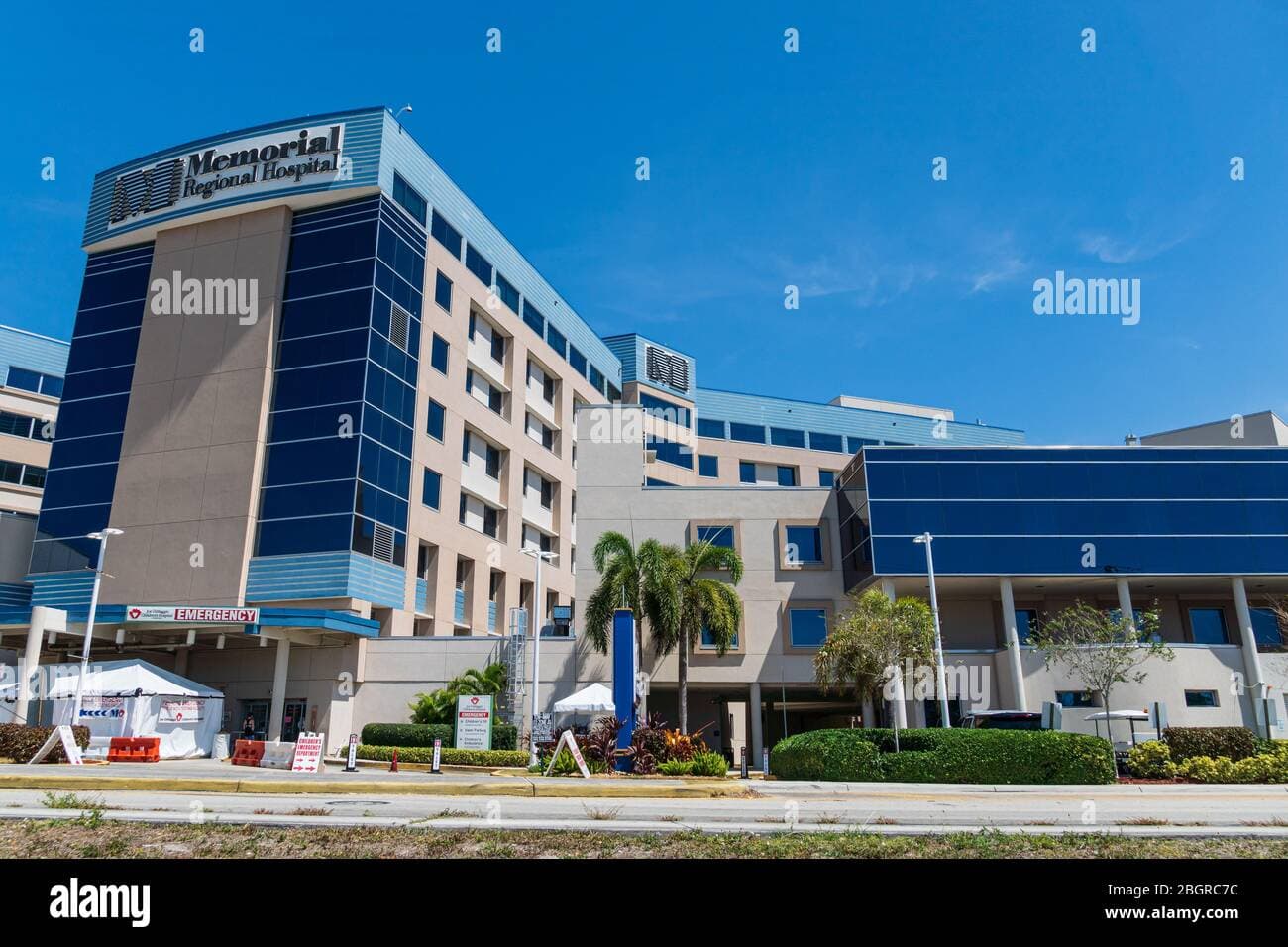
Memorial Regional Hospital in Hollywood has begun using daraxonrasib, an experimental pancreatic cancer drug, on a very limited basis for Broward patients. Among the first is Russell Reed, a Broward resident diagnosed with stage 2B pancreatic cancer in 2024 after he came back from vacation with pain on his side.
For Reed’s wife, Marnie, the decision to pursue the drug carried the weight of family history. She said she would not watch her husband go through the same rapid decline that killed her father in 2008, and that sense of urgency has shaped how the family has approached every new treatment option. Reed said he had already noticed a slight decrease in pain.
The medication, also known as RMC-6236, is not yet approved by the U.S. Food and Drug Administration. On May 1, the agency said it issued a safe-to-proceed letter allowing Revolution Medicines to begin an expanded access treatment protocol for daraxonrasib after receiving the company’s request on April 28 and signing it on April 30. The FDA also said the drug already had Breakthrough Therapy and Orphan Drug designations. That places the Broward use in a narrow lane: it is available only to selected patients under an access protocol, not as a routine prescription.
At Memorial Cancer Institute, Dr. Jesus Fabregas said pancreatic cancer has long been difficult to treat because the cells have not responded well to drug therapy. Daraxonrasib appears to work differently by blocking a protein that lets cancer cells grow out of control. Fabregas said it is “not a cure, but it’s a big step” because it may buy patients more time with family and better quality of life.
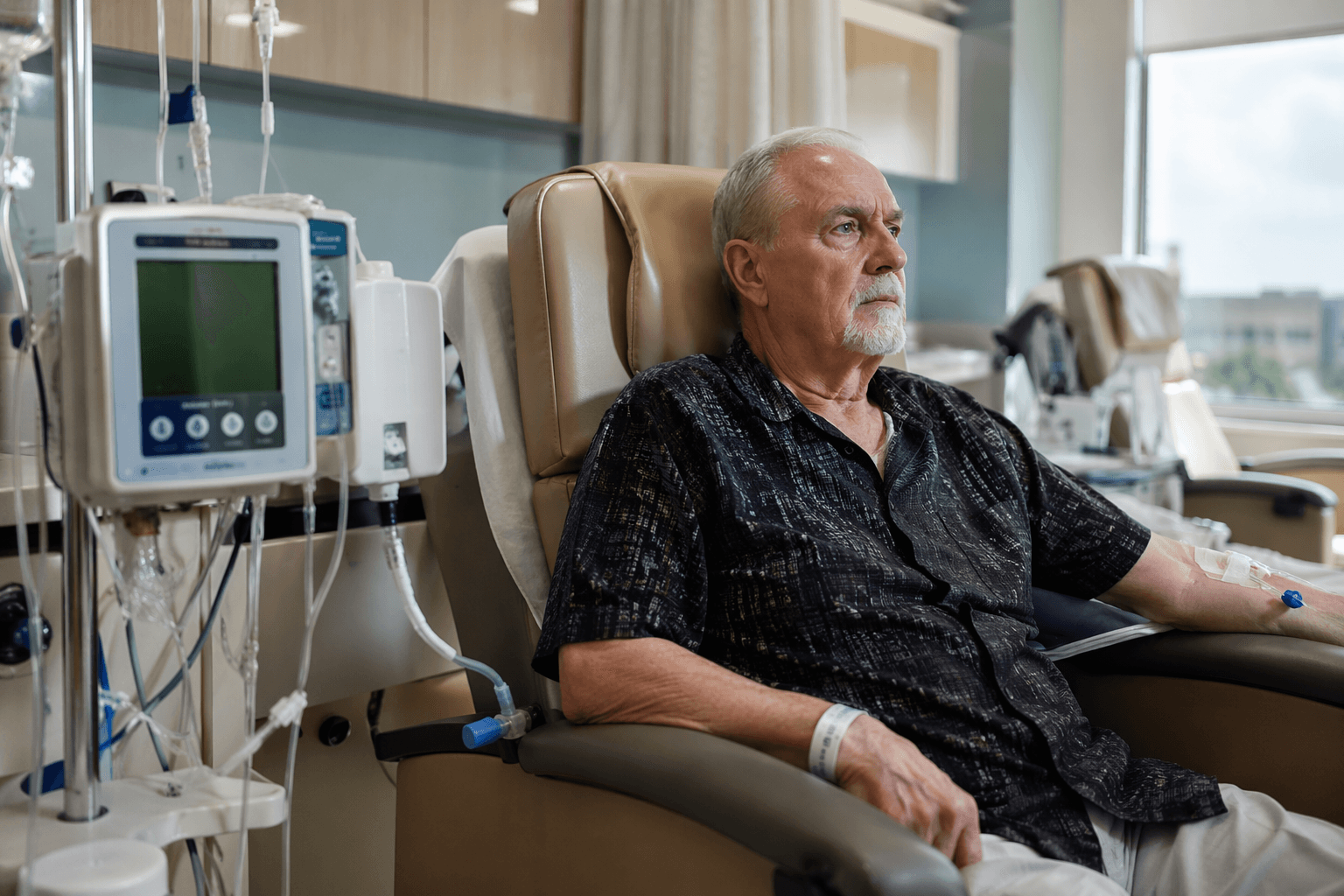
The broader research explains why the drug is drawing attention. Memorial Sloan Kettering Cancer Center says daraxonrasib targets KRAS and RAS mutations that drive more than 90% of pancreatic cancers, and some early trial patients said symptoms improved within days. Harvard Medical School and Dana-Farber Cancer Institute said on June 4 that a phase 3 trial showed the drug significantly improved overall survival and progression-free survival compared with chemotherapy in advanced pancreatic cancer. In 500-patient trial data cited in the coverage, average survival was about 13 months with daraxonrasib versus roughly 6.6 to 6.7 months with chemotherapy.
The access picture remains tight across Broward. Memorial Regional describes itself as one of the largest hospitals in Florida, and Memorial Cancer Institute says it offers cancer care at several locations in south Broward County, but the drug is being used only in limited cases at the Hollywood hospital. For patients facing a disease the American Cancer Society says still causes about 52,740 to 53,000 U.S. deaths a year and has about a 13% five-year relative survival rate, the option is real but still far from widely available.
This article was produced by Prism’s automated news system from verified source data, official records, and press releases, then run through automated quality and moderation checks before publishing. The system is built and supervised by the people who set the standards it runs under. Read our full AI policy.
Did this article answer your question?