BVU professor narrates Iowa PBS documentary on railroad builder Dodge
BVU historian Bill Feis will narrate an Iowa PBS film on Grenville M. Dodge, giving Storm Lake a voice in how Iowa tells a national railroad story.

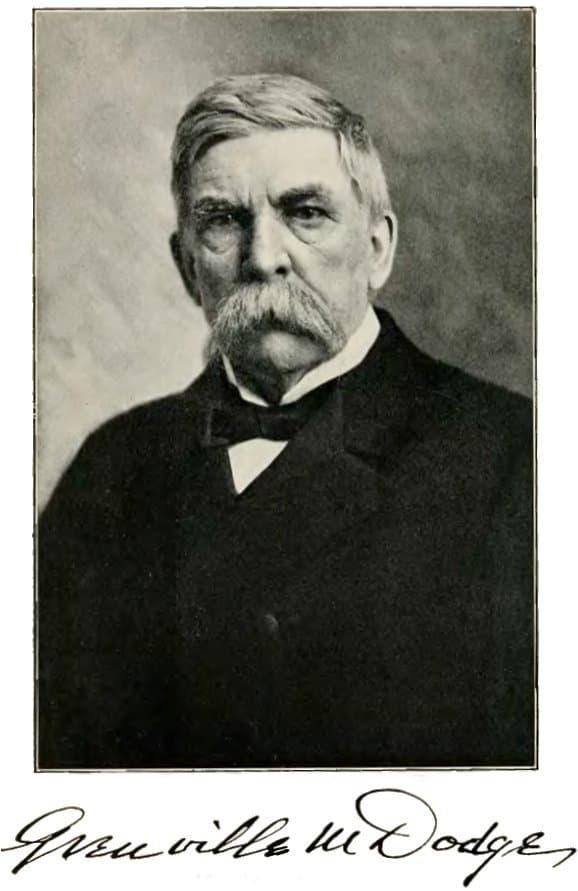
Buena Vista University history professor Bill Feis will carry Iowa PBS viewers through the story of Grenville M. Dodge, serving as both narrator and historical consultant for a documentary on one of the state’s most recognizable railroad figures. The film, General Dodge and the Transcontinental Railroad, is set to premiere on PBS Monday, June 15, at 8 p.m.
Feis’s role puts a Storm Lake scholar at the center of a project about Dodge, the Civil War figure and railroad builder whose work helped shape the transcontinental line. That history reaches far beyond the tracks themselves. The railroad changed where people settled, how goods moved and how communities across the West and Midwest connected to each other and to the rest of the country.
Iowa PBS chose Feis because of his expertise on Dodge, a sign that the production wanted more than a familiar voice. It wanted a historian who could explain why Dodge mattered and help frame his legacy for a broad public audience. As historical consultant, Feis’s work went beyond narration and into the interpretation of the subject, helping shape how the film presents Dodge’s life and the larger meaning of the railroad era.
For Buena Vista County, the appointment gives the documentary a local anchor with statewide reach. BVU is already a visible part of Storm Lake life, but this project moves one of its faculty members into a much larger public conversation about Iowa history. Viewers who tune in may be hearing from a professor whose classroom work in Storm Lake now helps define how a major chapter of American transportation history is told across the state.
It is also a reminder that local scholarship can carry civic weight well beyond campus. By placing Feis in front of Iowa PBS audiences, the project ties Buena Vista County to a story about national expansion, economic change and the people who built the systems that linked the country together. In that sense, Feis’s narration is more than a credit line. It is part of how Iowa explains its own past to itself.
This article was produced by Prism’s automated news system from verified source data, official records, and press releases, then run through automated quality and moderation checks before publishing. The system is built and supervised by the people who set the standards it runs under. Read our full AI policy.
Know something we missed? Have a correction or additional information?
Submit a Tip