Linn Grove sues owner of derelict building over safety concerns
Linn Grove sued to take 124 Weaver Street from its owner, saying the vacant building violates town code and has frustrated the small town for years.
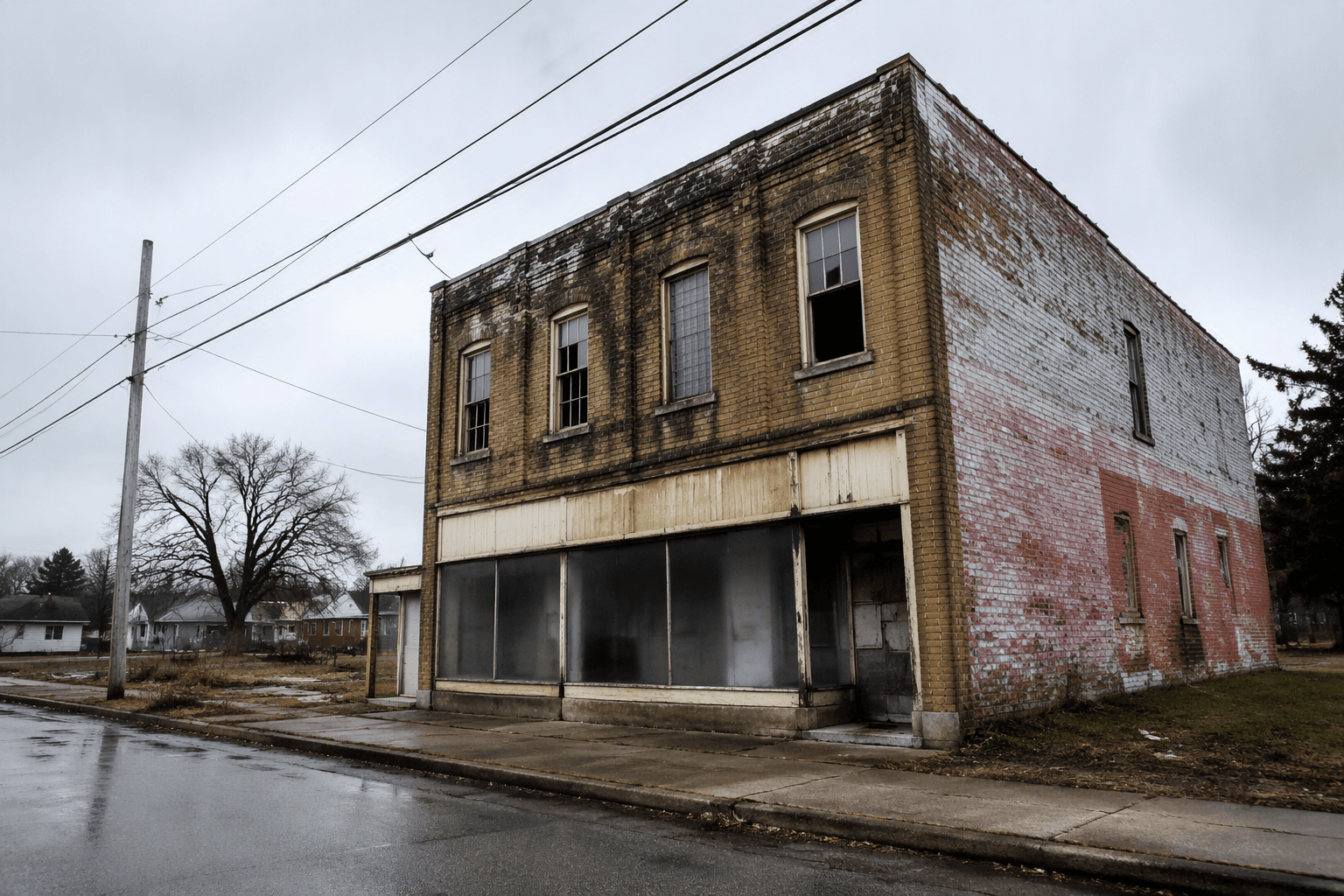
The City of Linn Grove sued the owner of 124 Weaver Street on Thursday, asking a judge to transfer the title of the abandoned building to the town. City Attorney Dave Jennett said the property is “abandoned, has been vacant and in violation of the Code of Ordinances of Linn Grove.”
The filing moves one of Linn Grove’s nuisance properties onto a formal legal track after earlier efforts did not resolve the issue. In a town the size of Linn Grove, a vacant building can do more than sit empty. It can affect the look of the block, raise concerns about safety and send a signal that neglect is being allowed to linger in the middle of town.
Linn Grove has been through this kind of fight before. On Dec. 16, 2020, a proposed sale of an abandoned lumber building stirred opposition from about a half-dozen residents, and criticism was directed at the former mayor and his son. That dispute showed how quickly a property issue can become a test of local trust, especially when residents think a blighted building is being handled without enough public accountability.
This lawsuit suggests city leaders are now turning to the courts to force a solution. The city is seeking a judgment that would award the real estate’s title to Linn Grove, which would give officials direct control over the site instead of leaving the property in private hands while it remains vacant and out of compliance.
For nearby residents and businesses, the practical measure of success will be simple: whether 124 Weaver Street stops standing as a derelict building and becomes a property the town can clean up, secure or put back to productive use. In a rural county where each commercial block matters, even one abandoned structure can shape how a town looks and how willing others are to invest beside it.
This article was produced by Prism’s automated news system from verified source data, official records, and press releases, then run through automated quality and moderation checks before publishing. The system is built and supervised by the people who set the standards it runs under. Read our full AI policy.
Did this article answer your question?