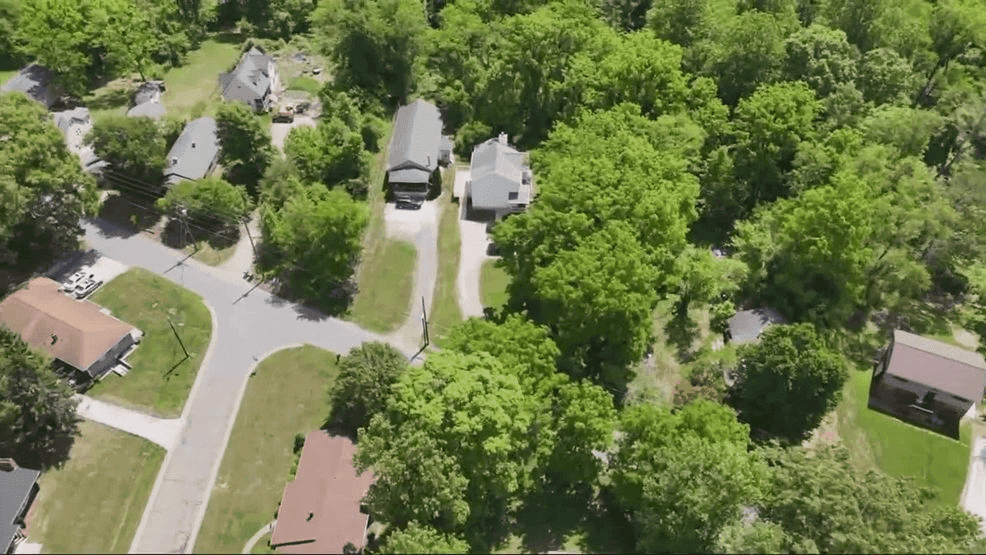
Asheville approves $8.39 million for 205 affordable housing units
Asheville split $8.39 million between Tunnel Road and Biltmore to back 205 affordable homes, averaging about $40,927 a unit.
Asheville City Council approved $8.39 million in federal disaster-recovery money for two apartment projects that will add 205 affordable units, a move the city cast as part of Helene recovery and a longer push to widen Asheville’s housing supply. The public subsidy averages about $40,927 per planned unit. District East Commons at 1311 Tunnel Road received $1.385 million, while 319-B Biltmore at 4 John Walker Avenue received $7 million.
At District East Commons, an underused former commercial site would become a 93-unit affordable senior community. The project is designed around flood resilience, with finished building areas and mechanical systems elevated well above the current floodway elevation, plus preservation of 3.5 acres of natural shoreline buffer and 99 percent of the existing tree canopy. That public investment comes to about $14,892 per unit, and the city is trying to turn one storm-vulnerable corridor into a more durable piece of housing infrastructure along Tunnel Road.
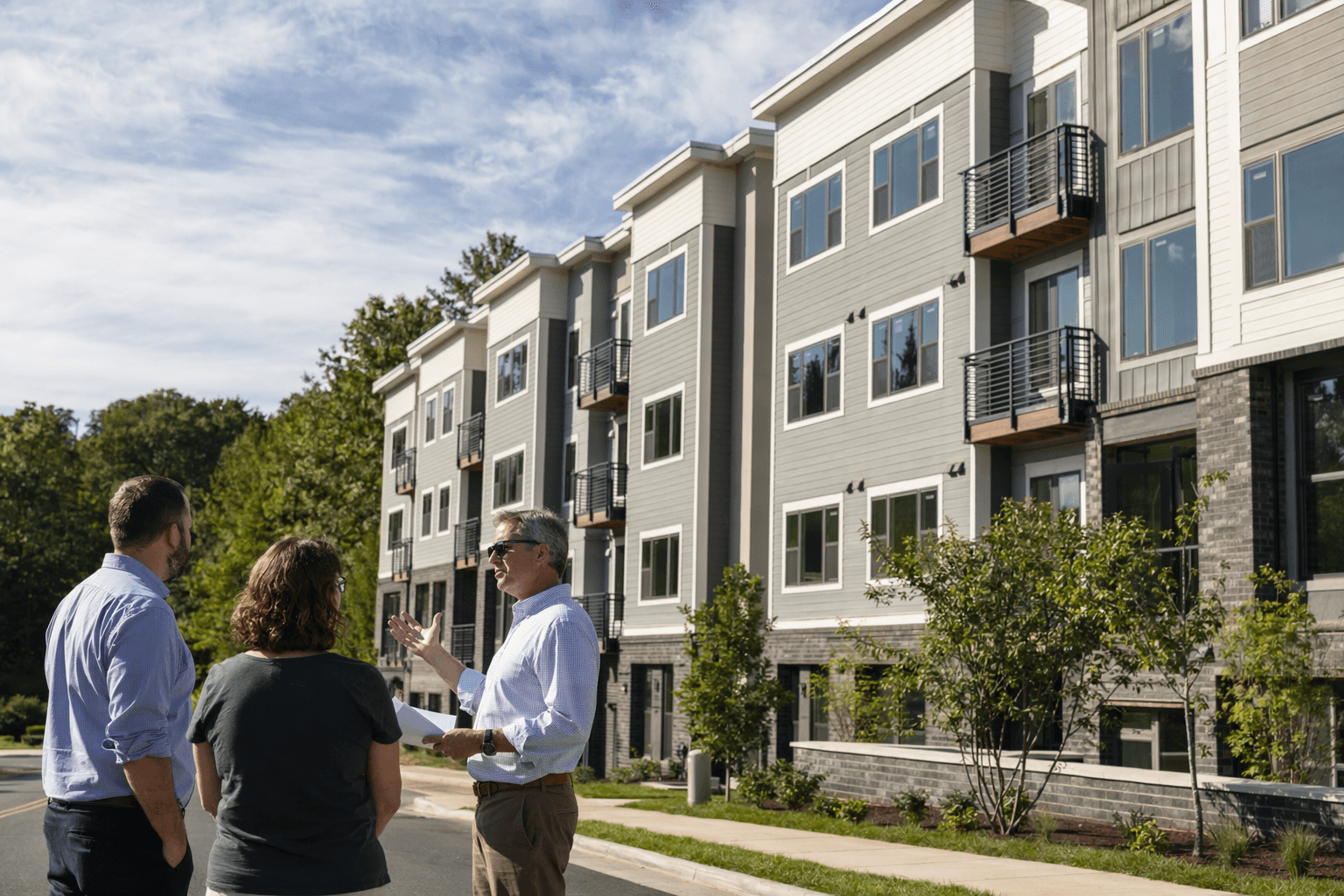
The 319-B Biltmore project, at 4 John Walker Avenue on city-owned land, is the second phase of a larger redevelopment effort. City records say the first phase already delivered 109 workforce and affordable units, and the new building would add another 112 units in a mixed-use project with community amenities and commercial space. The city said the development will serve households earning roughly 20 to 80 percent of area median income, and the public subsidy works out to $62,500 per unit.
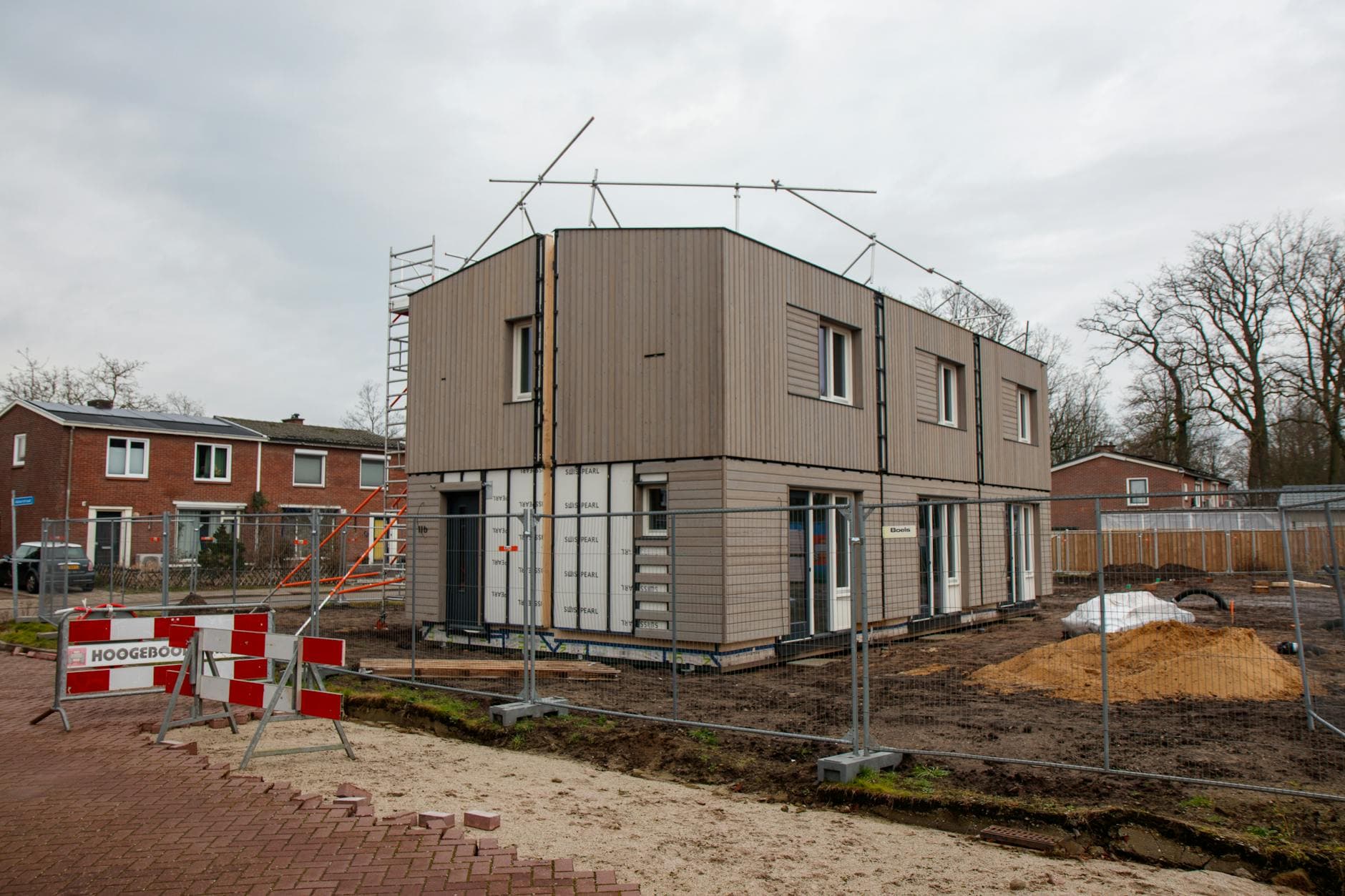
The decision lands in a housing market the city itself says has a significant shortage of affordable units and a gap between local wages and average housing costs. Asheville’s affordable housing office says many wages and salaries produced in the region do not support the average housing cost, and the city framed the two projects as a way to preserve lower-cost housing for at least 35 years instead of letting it drift back to market rates. For Buncombe County, the vote matters less as a council action than as a concrete bet on where seniors and lower-income renters will be able to live after Helene has widened the pressure on housing across the city.
Know something we missed? Have a correction or additional information?
Submit a Tip