Swannanoa gets $1.2 million to cut future flood damage
A 4.45-acre Swannanoa River site damaged by Helene will be turned into flood storage and wetlands, but RiverLink still estimates the full repair bill at up to $13 million.
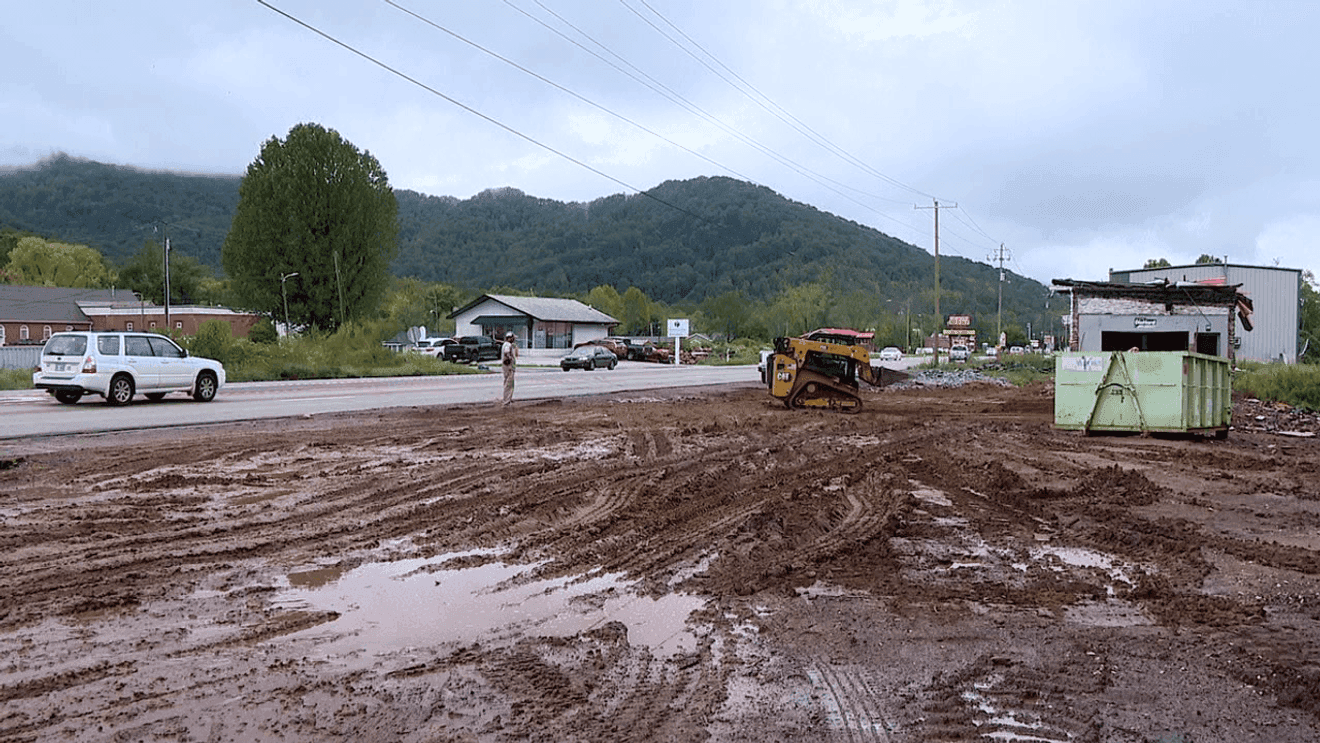
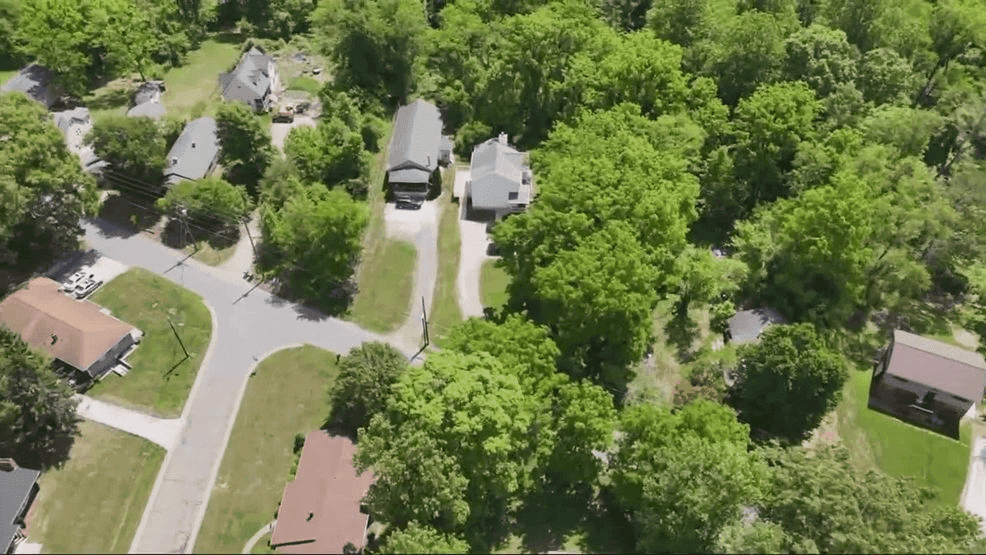
A 4.45-acre stretch along the Swannanoa River that Hurricane Helene severely damaged is set to become flood storage, wetlands and stabilized streambanks under a new $822,780 award to RiverLink.
The North Carolina Department of Environmental Quality announced May 19 that Swannanoa and Rosman together received more than $1.2 million through the Flood Resiliency Blueprint, the state’s flood mitigation program. DEQ said the Blueprint has now funded 84 projects in six river basins, totaling more than $43 million, and described it as the largest statewide flood mitigation investment in North Carolina history.
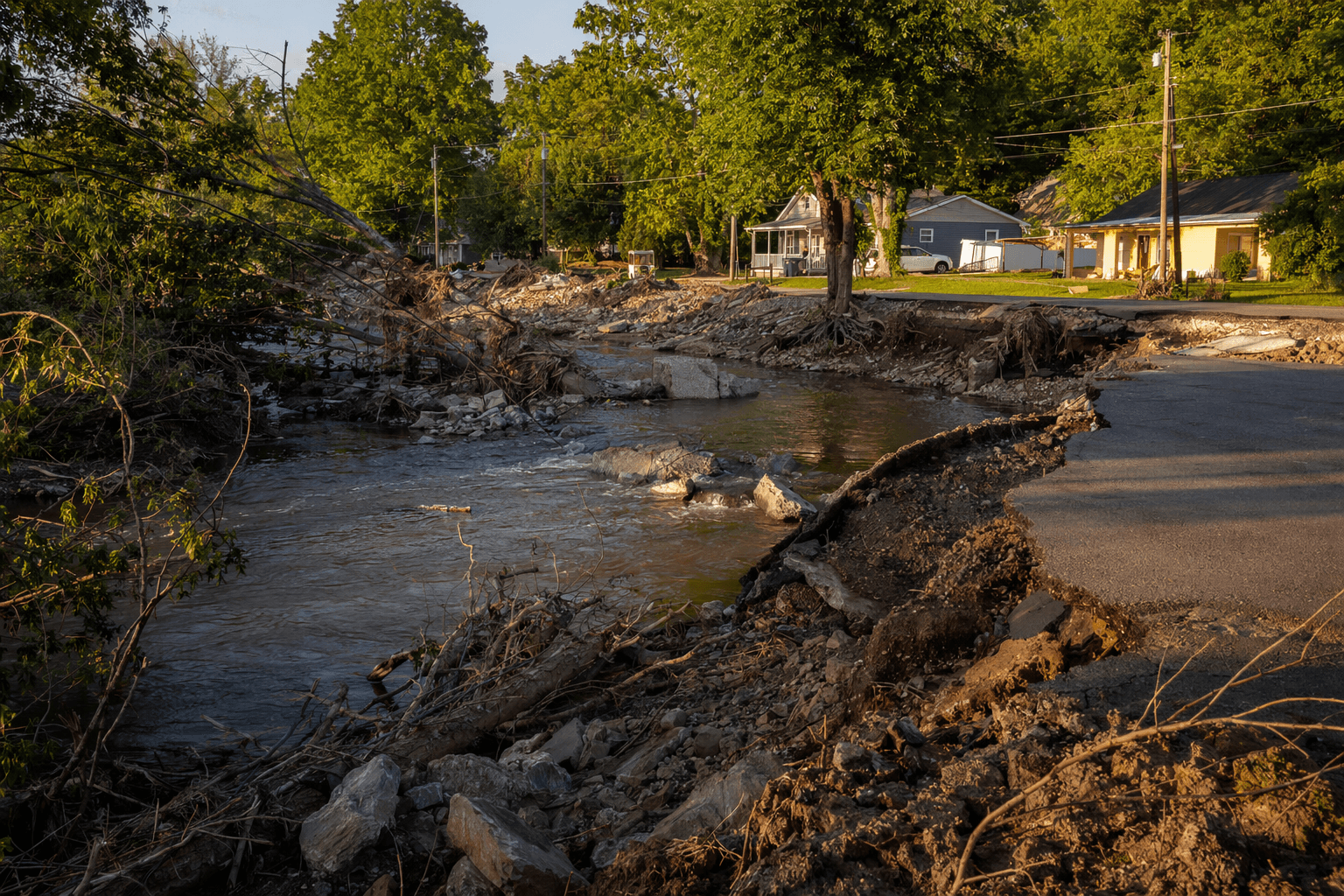
In Swannanoa, the work will focus on reducing flood risk along Old Highway 70 and on the river parcel itself. DEQ said the project will create 1.6 million gallons of flood storage at the site, while the Swannanoa and Rosman projects together are expected to create nearly 9 million gallons, or 27 acre-feet, of floodwater storage. The plan also calls for restoring 3,000 feet of tributary streams, rebuilding three acres of wetlands, stabilizing streambanks and installing natural stormwater infrastructure.
That matters in a community still measuring the damage from Helene in houses, businesses and public spaces. Beacon Village was left uninhabitable after the storm, and many residents were forced out as floodwaters ripped through the Swannanoa Valley. DEQ Secretary Reid Wilson said rebuilding more resiliently in western North Carolina remains an urgent priority and that projects like this should make downstream communities less vulnerable in future floods.
RiverLink said the funded site was identified during field investigations for the 2025 Middle Swannanoa River Damage Assessment. In July 2025, the organization produced a detailed study of Helene damage and flood-resilience opportunities along a 6.9-mile stretch of the Middle Swannanoa River, from the outskirts of Black Mountain through Swannanoa to the western side of Warren Wilson University’s campus. RiverLink estimates the total cost of repairing that corridor and making it more flood-resilient at $10 million to $13 million.
The river was already carrying problems before Helene hit. RiverLink said water-quality testing had regularly found fecal coliform bacteria above state swimming standards, and surveys showed the Middle Swannanoa River did not support a healthy benthic macroinvertebrate population. RiverLink worked with Wildlands Engineering and local stakeholders including Friends and Neighbors of Swannanoa and the Swannanoa Grassroots Alliance to expand the post-Helene damage assessment into a watershed action plan completed in March 2026.
For Swannanoa, the grant marks a move from assessment to construction-ready mitigation. It does not cover the full repair bill along the Middle Swannanoa River, but it does target one of the most exposed pieces of the corridor with a project designed to hold back water, slow runoff and reduce the force of the next storm.
Know something we missed? Have a correction or additional information?
Submit a Tip