Asheville City Council Candidates Share Environmental Priorities, Clean Energy Plans
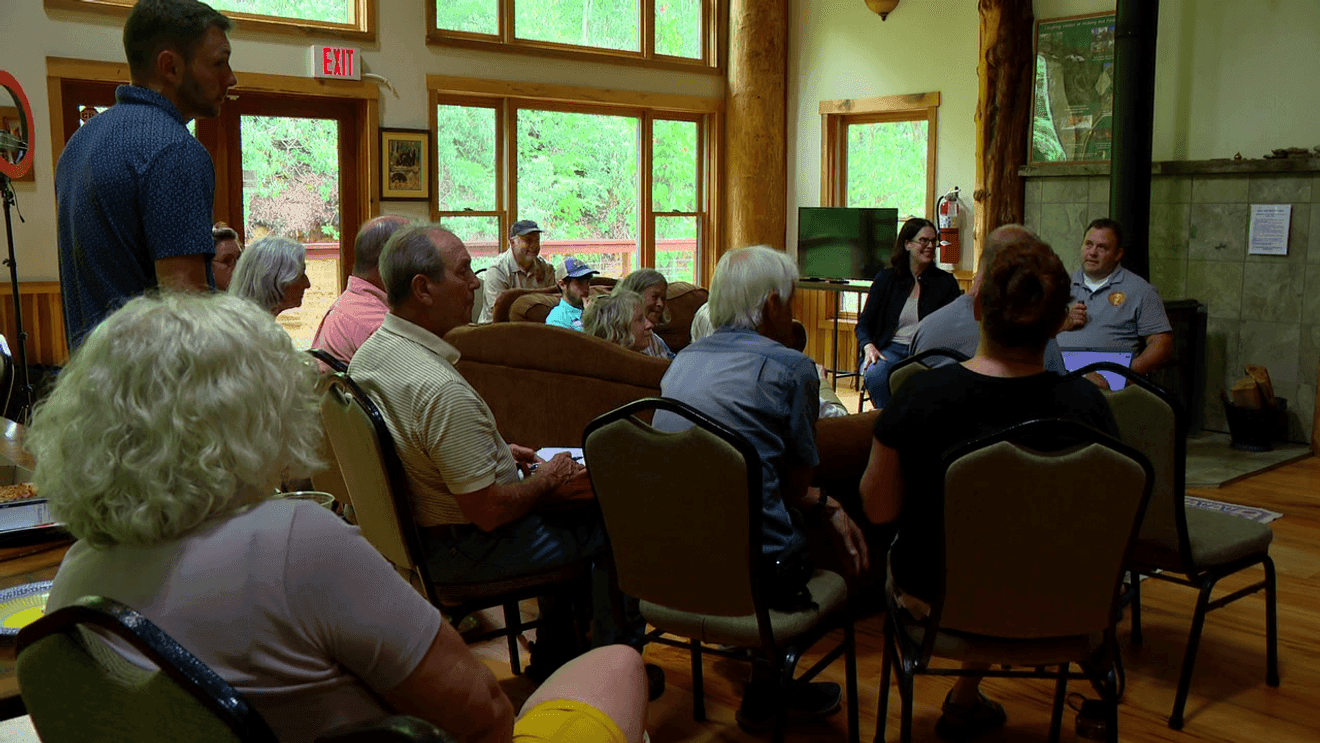
Buncombe County Commissioner Drew Ball called for building retrofits, solar storage and Duke Energy accountability as Asheville City Council candidates outlined their environmental plans.
Three open seats on the Asheville City Council have produced competing visions for the city's climate future, with Buncombe County Commissioner Drew Ball calling for aggressive building retrofits and tougher accountability standards for Duke Energy as part of a detailed environmental Q&A that drew out candidates' specific positions on targets, funding, and equity.
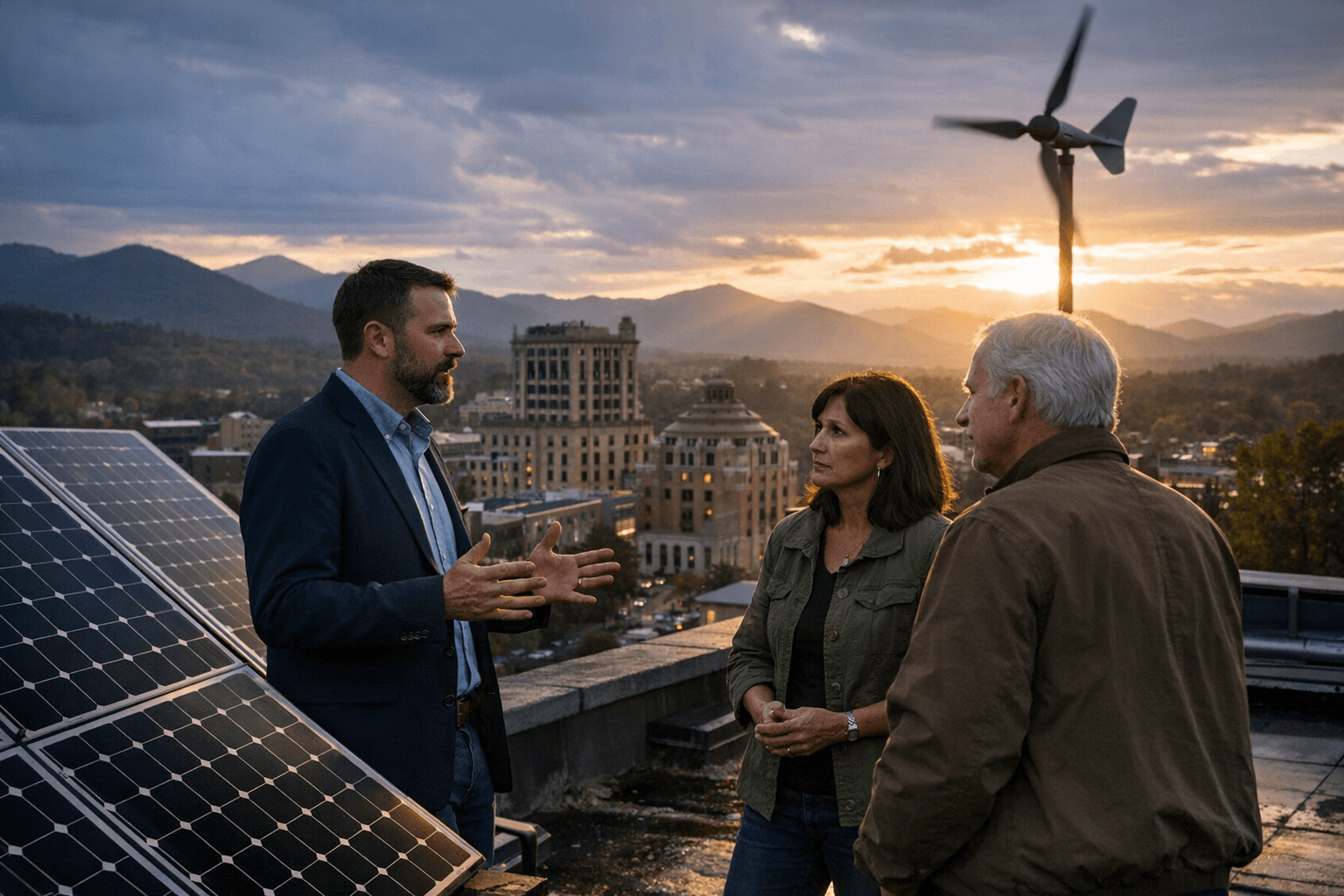
Ball, who currently serves on the Buncombe County Commission and is seeking a council seat, said the city should "double down on energy efficiency and expand local clean energy, especially for city operations." His proposals included building retrofits, solar plus battery storage installations, and stronger mechanisms to hold Duke Energy to shared climate commitments. Ball framed those investments as financial strategy as much as environmental policy, arguing that upfront capital costs produce long-term savings and strengthen the city's infrastructure resilience.
Candidates were pressed on what steps, funding sources, equipment, and community education would be required to move the city from its current 2% annual CO2 reduction target toward a more ambitious 4% target. The questions drew directly on Asheville's FY25 Sustainability Annual Report as a policy baseline, giving respondents a concrete framework to respond to rather than abstract campaign rhetoric. Topics also included urban tree canopy management and how each candidate would weigh environmental goals against housing affordability and equitable outreach to historically underserved neighborhoods.
Asheville's fiscal picture has been complicated by Hurricane Helene recovery costs, which means candidates' proposals are being evaluated not just on environmental ambition but on whether they can survive actual budget negotiations. One line of questioning targeted the city's recent reorganization of local advisory boards, including the Helene Recovery Boards, asking whether consolidating those structures improves the city's capacity to act or reduces community input at a critical moment.
The composition of the next council carries concrete policy stakes. A council aligned with city-led retrofits and new local clean energy projects would mark a different trajectory than one that leans on incremental steps or defers to partnerships with county government and Duke Energy. For neighborhood organizations and climate advocates, the Q&A now functions as a public accountability checklist: candidates have stated specific positions on funding mechanisms, emission targets, and cross-government coordination that can be pressed throughout the remainder of the campaign.
This article was produced by Prism’s automated news system from verified source data, official records, and press releases, then run through automated quality and moderation checks before publishing. The system is built and supervised by the people who set the standards it runs under. Read our full AI policy.
Did this article answer your question?