Asheville downtown recovery continues amid $30 million budget shortfall
Downtown recovery is uneven, leaders said at The Orange Peel, even as Asheville braces for a $30 million budget gap and key projects move ahead.

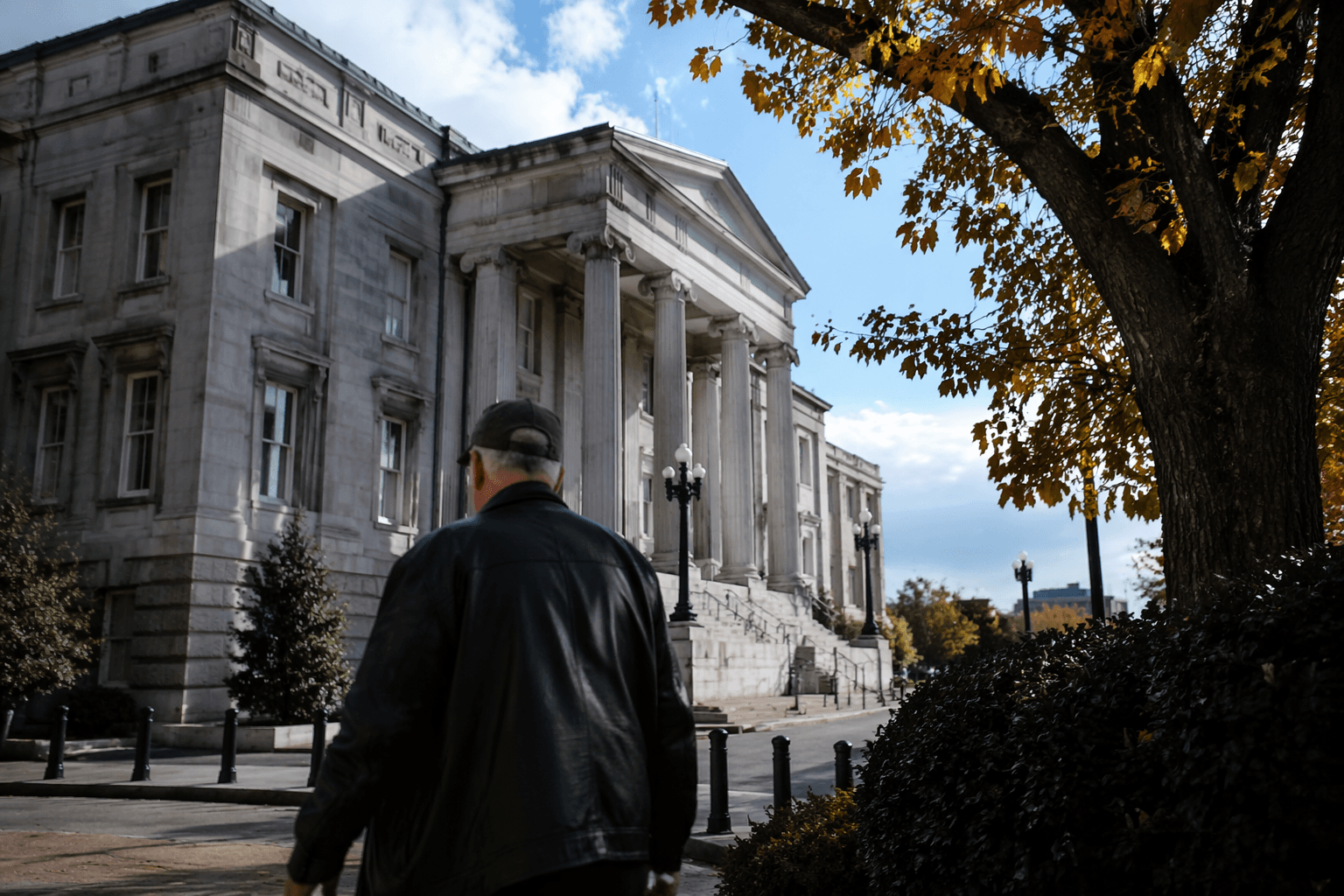
Nearly 300 people packed The Orange Peel on Tuesday night as Asheville leaders used the city’s annual State of Downtown gathering to send a blunt message: downtown is recovering after Helene, but the gains are not shared evenly block by block. Mayor Esther Manheimer said some corridors and businesses are thriving while others are still struggling, a split that has become the defining reality of the city center.
Manheimer paired that uneven recovery with another warning sign, Asheville’s projected $30 million budget shortfall. City staff are looking for ways to trim spending without cutting core services, she said, while the city continues to lean on millions in Community Development Block Grant Disaster Relief money for rebuilding and resilience work. She also said major festivals will stay on the calendar because downtown businesses depend on the traffic they bring.
The downtown economy still has reasons for optimism. Hayden Plemmons, executive director of the Asheville Downtown Association, said more than 75,000 people attended downtown association events this year, a sign that the district continues to draw crowds despite the disruption of the past year. The association bills State of Downtown as its annual meeting for downtown stakeholders, business leaders and community partners, and the turnout reflected how closely merchants, property owners and public officials are watching the pace of recovery.

Housing remains one of the biggest pieces of that recovery puzzle. Buncombe County Commission Chair Amanda Edwards said the Coxe Avenue project, planned for about 200 affordable units, should open within the next couple of years. County commissioners approved the proposal in 2024 for county-owned property at 50 and 52 Coxe Avenue, later identified as a 206-unit project with Harmony Housing. The development is intended for households earning 80% or less of area median income, putting more long-term residents within reach of downtown.
Public safety also remained part of the conversation. Downtown property owners, businesses and residents have spent years pushing for stronger cleanliness and safety measures, including the Business Improvement District that launched in June 2025. Police data published in October 2025 showed violent crime had fallen 28% from its 2022 peak, but complaints tied to trespassing, disorderly conduct and drugs were rising. That mix of progress and friction has left downtown with a visible split: more visitors, more projects and more money flowing in, but also more pressure on streets, storefronts and the city budget.
This article was produced by Prism’s automated news system from verified source data, official records, and press releases, then run through automated quality and moderation checks before publishing. The system is built and supervised by the people who set the standards it runs under. Read our full AI policy.
Did this article answer your question?