Asheville Renames McCormick Field to HomeTrust Park After Renovation Vote
Asheville traded McCormick Field’s historic name for revenue tied to a $38.5 million overhaul, while adding rules meant to protect the city-owned park’s public use and memory.
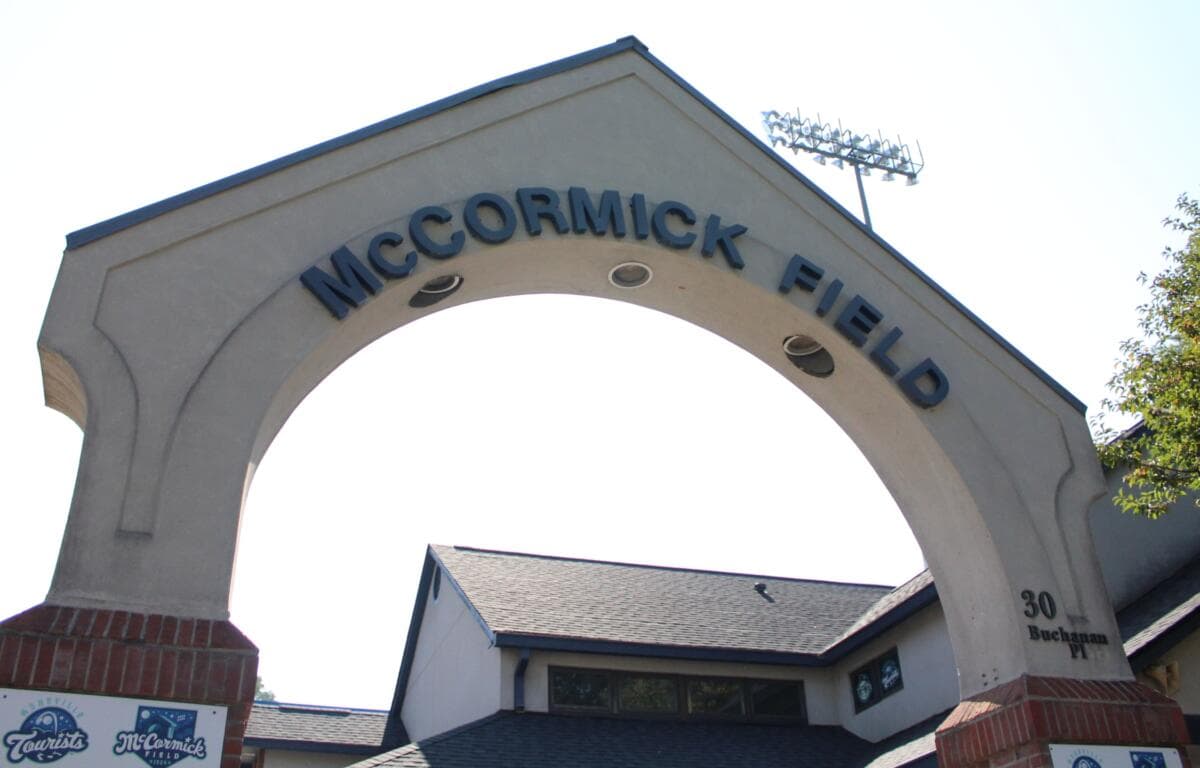
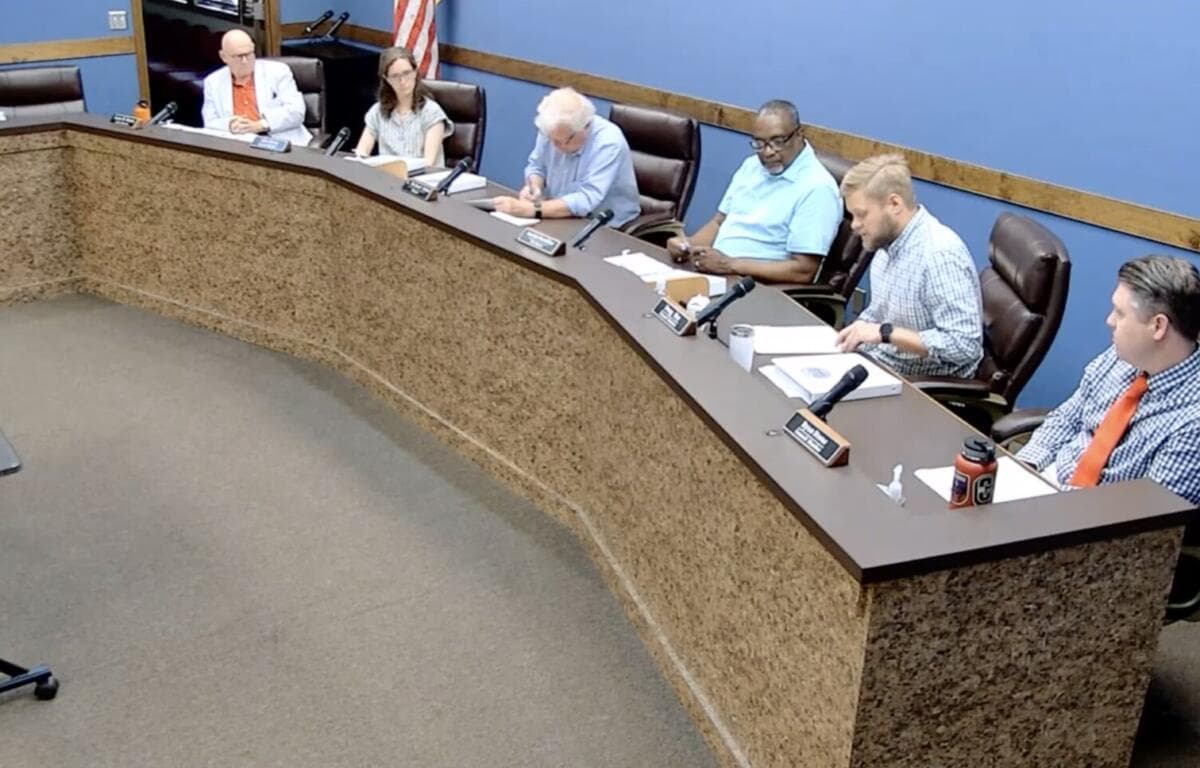
Asheville’s most familiar baseball address now carries a corporate name, after City Council unanimously approved renaming McCormick Field to HomeTrust Park and tied the change to a renovation deal meant to help pay for the ballpark’s future.
The April 15 vote formalized a naming-rights agreement connected to the city-owned stadium’s $38.5 million renovation, which was designed to bring the park up to current Minor League Baseball standards and make it useful for more than Asheville Tourists games. Under the lease arrangement, the Tourists can sell the naming rights, and HomeTrust Bank was chosen as the sponsor.
For Asheville, the tradeoff was clear: the city gave up a name that had long anchored one of downtown’s best-known public landmarks, but gained a revenue stream intended to help offset debt from the renovation. City officials framed the agreement as part of the financing structure behind the overhaul, not just a cosmetic rebrand.
The new deal also comes with guardrails. The ballpark will have to host non-baseball events such as concerts and college sports, and those uses are tied to attendance thresholds with financial penalties if the requirements are not met. That means the renamed park is not being treated as a one-sport venue, but as a broader civic asset expected to earn its keep year-round.

McCormick Field has been leased to the Asheville Tourists since 2010 and was originally named for Dr. Lewis McCormick, Asheville’s first bacteriologist. City staff and council members said the renovation became necessary after Major League Baseball changed facility standards, forcing cities with affiliated ballparks to adapt or fall behind.
The name change was not universally popular. Some residents objected to losing the historic name and what it represented in Asheville’s civic memory. In response, city officials said they tried to preserve that legacy through a new historical display that will explain McCormick’s contribution to public health and the park’s history.
For Asheville, the decision marks a shift in how one of its most recognizable public spaces is managed and paid for. HomeTrust Park now reflects a more commercial era for the stadium, but the city is also trying to keep the story of McCormick Field visible inside the ballpark that still stands on the same ground.
This article was produced by Prism’s automated news system from verified source data, official records, and press releases, then run through automated quality and moderation checks before publishing. The system is built and supervised by the people who set the standards it runs under. Read our full AI policy.
Did this article answer your question?