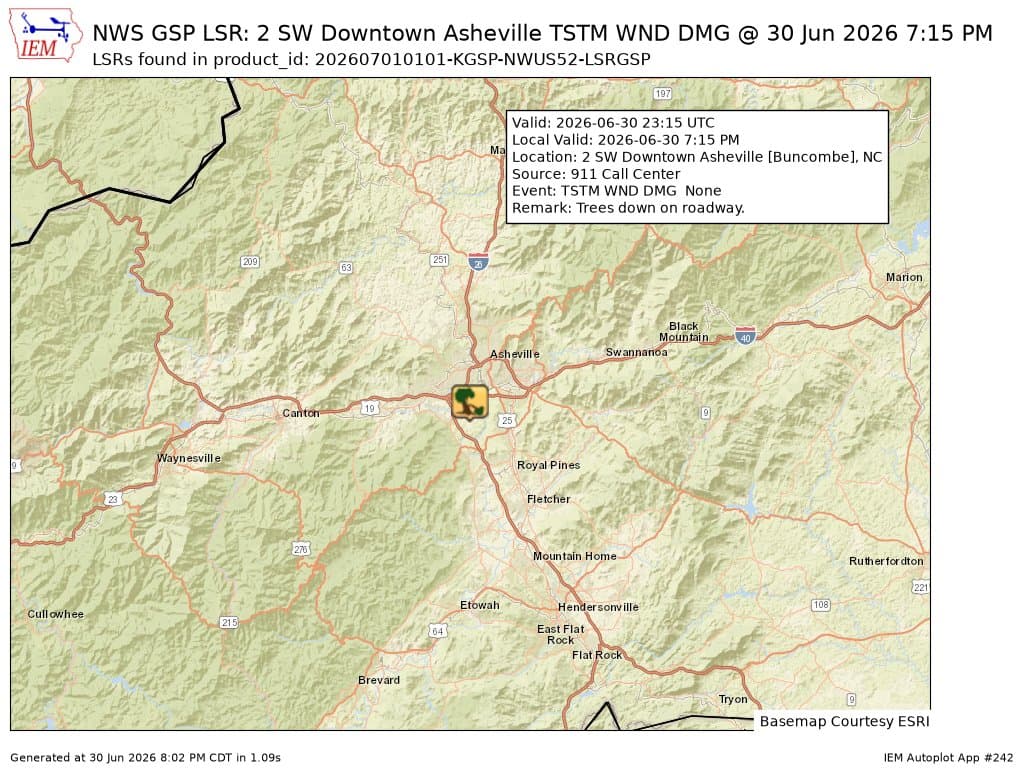
Asheville families skip produce as grocery prices rise, food insecurity grows
Asheville shoppers are cutting produce first, even as Buncombe County’s food insecurity rate hit 15% and the annual meal shortfall topped $32.4 million.

As grocery bills kept climbing in Asheville, some families said fresh fruits and vegetables were the first items they put back on the shelf. That choice reaches beyond the week’s grocery run: when produce is the easiest thing to skip, children can lose reliable access to the foods most tied to nutrition, and households can slide deeper into long-term food insecurity.
Feeding America estimated that 40,870 people in Buncombe County were food insecure in 2023, a rate of 15.0%. The organization also put the county’s average meal cost at $4.19 and its annual food budget shortfall at $32,454,000, a gap that shows how far many households still are from affording enough food, even before adding the cost of fresh produce. Across North Carolina, Feeding America estimated 1,627,360 people were facing hunger, including 438,200 children, with an average meal cost of $3.50.

The pressure is showing up in how families shop. In Asheville, residents have described leaving produce behind as inflation drives up the cost of everyday essentials. That mirrors a broader pattern tracked by federal data: the U.S. Bureau of Labor Statistics said the all-items consumer price index rose 3.0% over the 12 months ending September 2025, while the food index rose 3.1% over the 12 months ending December 2025. Those increases land hardest in households already balancing rent, utilities, transportation and childcare.

Researchers have built tools to measure that strain. Feeding America’s Map the Meal Gap report, published each year since 2011, uses local food insecurity and food cost estimates to guide hunger response efforts. The 2025 report is based on 2023 data, and the next update is scheduled for late July 2026. The U.S. Department of Agriculture’s Economic Research Service also maintains a fruit-and-vegetable price database with average retail prices for more than 150 commonly consumed fruits and vegetables, underscoring how closely affordability of healthy food is being watched.
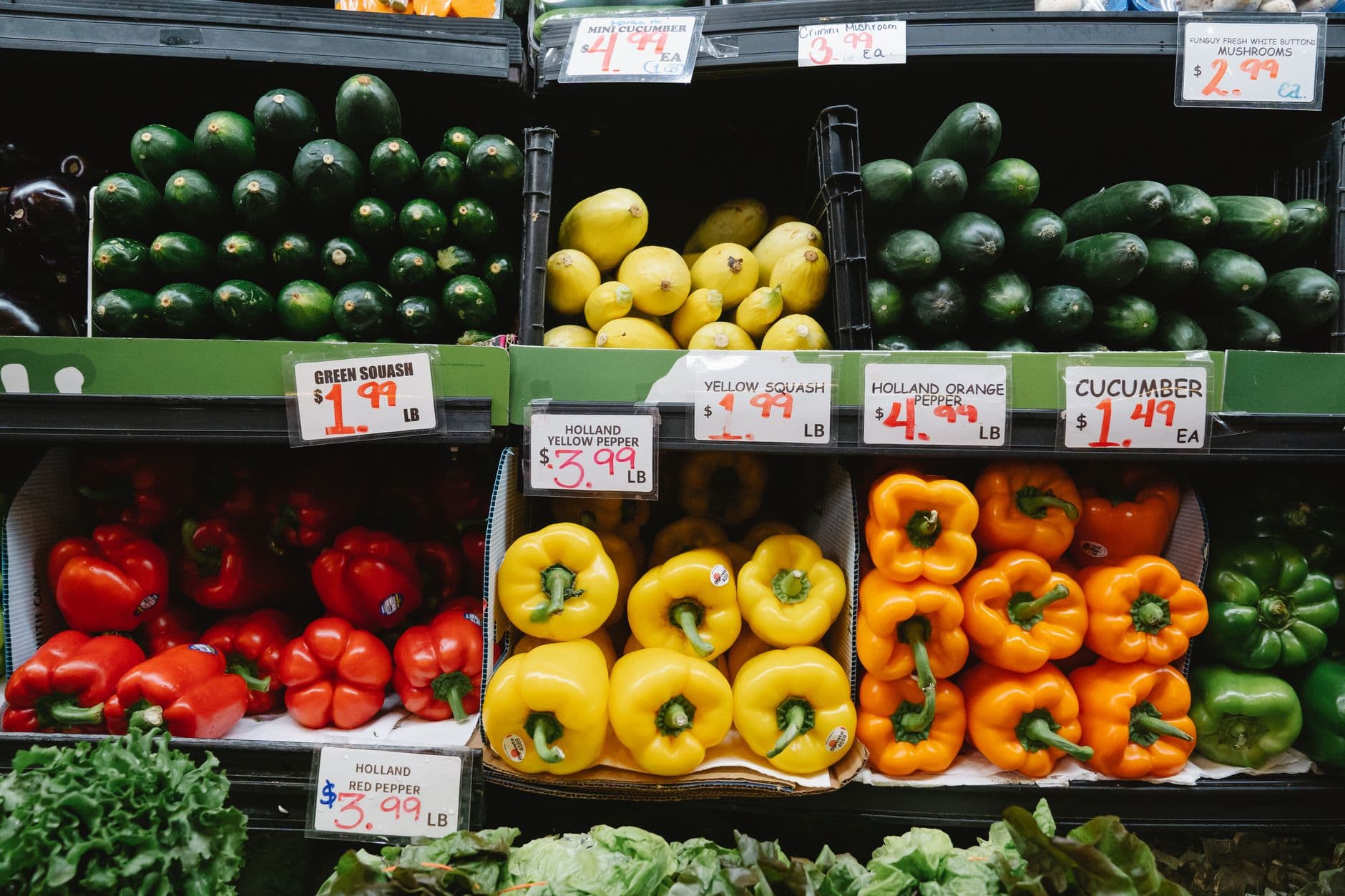
In Buncombe County, the challenge has been compounded by disaster recovery and public-assistance instability. County leaders have kept food and goods assistance resources available after Tropical Storm Helene, including community markets, and launched a food drive in late 2025 when federal SNAP benefits for more than 29,000 county residents were set to pause. For many Asheville-area families, the pressure is no longer just whether groceries cost more, but whether the next cart will include enough fresh food to keep pace with rising need.
This article was produced by Prism’s automated news system from verified source data, official records, and press releases, then run through automated quality and moderation checks before publishing. The system is built and supervised by the people who set the standards it runs under. Read our full AI policy.
Did this article answer your question?