Asheville, Hendersonville May Day rallies planned for workers' rights
Unions and community groups will turn May Day into a local pressure campaign in Asheville and Hendersonville, linking workers’ rights to wages, housing costs and storm recovery.

Unions and community organizations are planning May Day rallies in Asheville and Hendersonville on May 1, turning International Workers Day into a public show of support for workers’ rights across Western North Carolina.
For Buncombe County residents, the rallies create a nearby chance to join a demonstration that is about more than symbolism. Asheville has long been a center for political and social organizing, and the May Day events will give labor and civic groups a way to press public officials and employers on the issues that hit households most directly: pay, working conditions and the cost of living.
The decision to include Hendersonville alongside Asheville signals that organizers are aiming beyond a single city or neighborhood. It points to a broader regional effort to reach workers, allies and community members across Western North Carolina at a moment when economic stress remains a daily concern for many families.
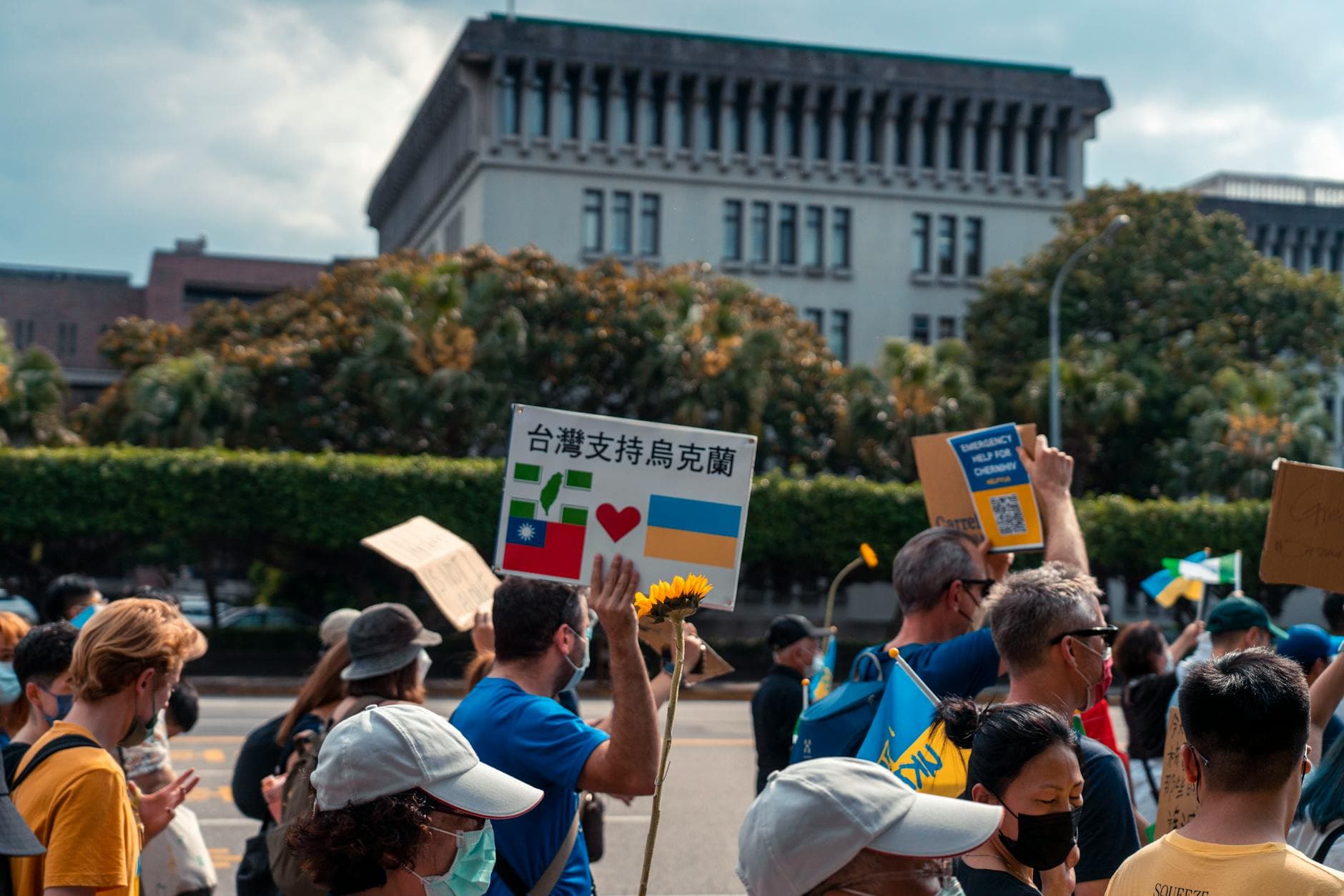
The local stakes are concrete. Organizers are using May Day to connect national labor themes to the pressures people feel at home, including wages that do not keep up with housing costs and the strain on public services after Helene. In that sense, the rallies are as much about civic power as protest, giving workers and supporters a public platform to demand attention to economic fairness and job security.
For Asheville, the practical impact will likely be visible downtown, where May 1 could bring more people, more signs and more activity. For Hendersonville, the rally expands the reach of the day beyond Buncombe County and reinforces that May Day has become a regional organizing tool, not just a date on the calendar. In a week already marked by public safety, business recovery and civic engagement across the county, the rallies add another public test of how strongly workers’ concerns can shape the conversation.
This article was produced by Prism’s automated news system from verified source data, official records, and press releases, then run through automated quality and moderation checks before publishing. The system is built and supervised by the people who set the standards it runs under. Read our full AI policy.
Did this article answer your question?