Asheville secures $2.5 million for Biltmore Village Helene recovery design
Asheville put $2.5 million behind Biltmore Village design work, but the district still needs sidewalks, ramps and drainage rebuilt before recovery is visible.
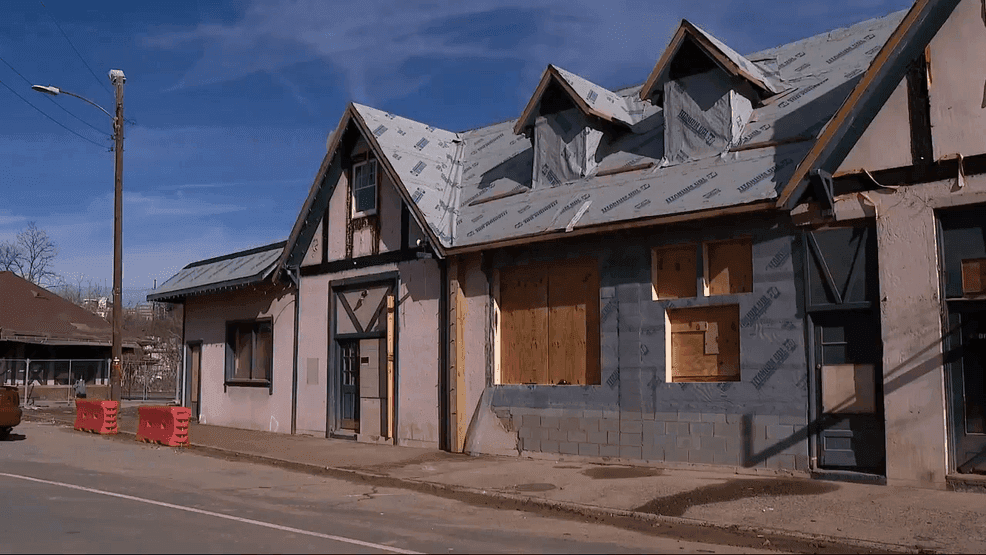
Asheville moved Biltmore Village one step deeper into recovery by voting unanimously to accept $2.5 million in state money for design and restoration work tied to Helene-damaged infrastructure. The April 28 action matters because it shifts the historic district from emergency cleanup into the slower, more consequential phase of planning the public repairs that will determine when the area feels normal again.
The money will help turn broad promises into construction-ready plans for one of Buncombe County’s most visible commercial corridors. That means survey work, drawings, permitting and coordination among city officials, property owners and preservation staff before crews can begin rebuilding streetscapes. The city said the council also handled other Helene recovery items that night, including water-system repairs, stormwater projects and funding opportunities, underscoring how much of Asheville’s rebuilding is still tied to basic infrastructure.
This latest vote builds on the $2.4 million Asheville received in November 2025 through the North Carolina Department of Commerce’s Small Business Infrastructure Grant Program for Biltmore Village infrastructure recovery. That earlier package set aside $871,649 for about 3,000 square yards of historic brick sidewalks, $968,622 for 36 ADA-accessible ramps and $652,530 for about 2,231 linear feet of historic curbing. Together, the two rounds of funding show the city is moving beyond patchwork repairs and into a more detailed plan for the district’s public realm.

The work is urgent because Biltmore Village took some of the hardest damage in western North Carolina during Hurricane Helene. In late September 2024, floodwaters submerged parts of the district in as much as 20 feet of water, leaving mud, damaged storefronts and a stripped-down commercial core that took months to revive. By November 2025, the village was still being described as about 60% back to normal, even as shops such as Talbots, Chico’s, Williams-Sonoma and White Lotus had reopened.
The recovery has been uneven, but it has not stood still. The Historic Biltmore Village Association said in July 2025 that nearly 70% of pre-storm shops were expected to return, with the full business roster projected back by spring 2026. That timeline now depends on whether the city can move from design into construction without losing momentum. For merchants, every delay affects foot traffic and vehicle access. For residents and visitors, the question is whether sidewalks, curbs, ramps and drainage can be rebuilt in a way that preserves the district’s historic character while making it work again.
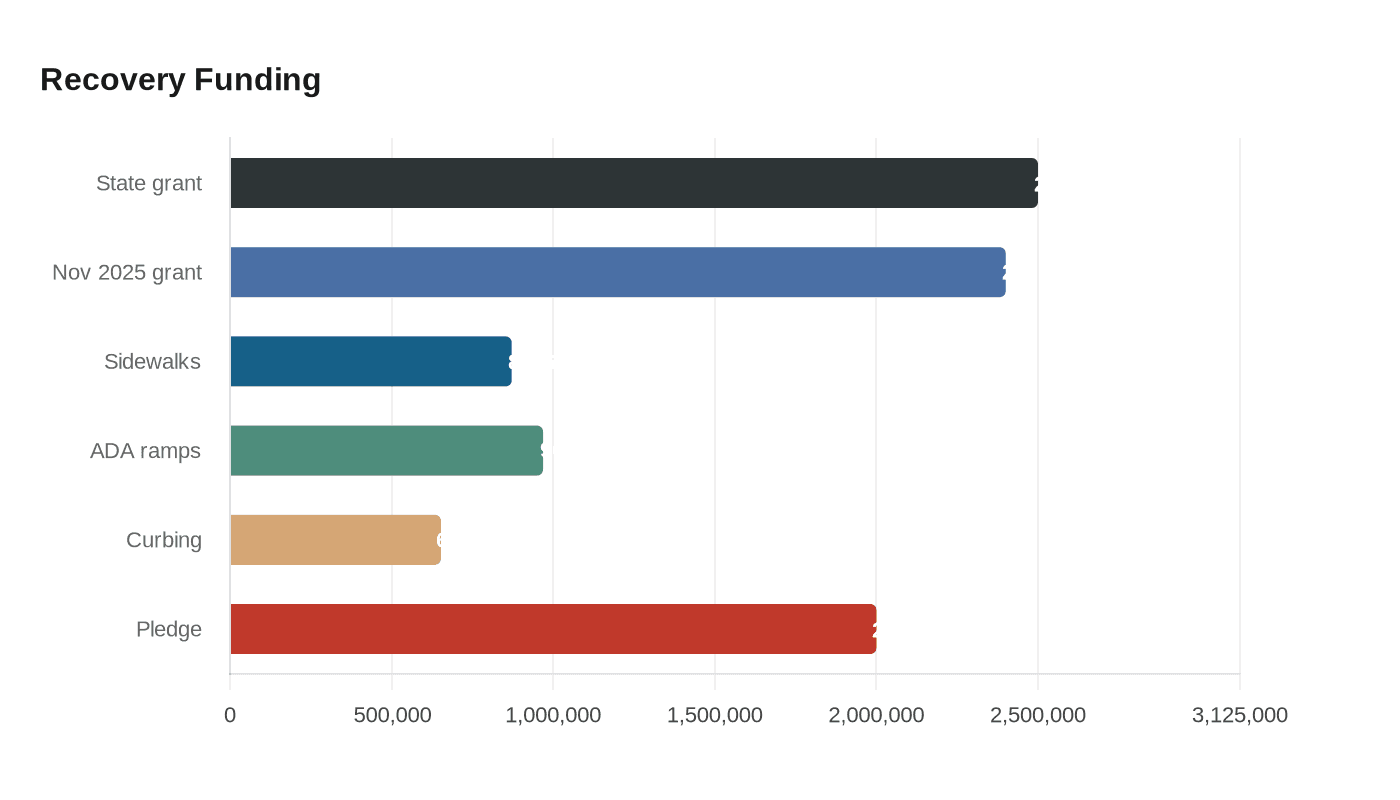
Biltmore Estate’s $2 million pledge to a relief fund added another layer to the recovery effort and reflected the broader economic weight of the Asheville-Biltmore corridor. The April 28 vote suggests the city is finally planning for a more permanent rebuild, but the real measure of success will be whether those plans turn into visible changes on the ground before another year passes.
This article was produced by Prism’s automated news system from verified source data, official records, and press releases, then run through automated quality and moderation checks before publishing. The system is built and supervised by the people who set the standards it runs under. Read our full AI policy.
Did this article answer your question?


