Buncombe County childcare shortage drives $77 million annual economic losses
Buncombe County childcare gaps are costing an estimated $77 million a year, while parents cut hours and employers struggle to hold onto workers.

Buncombe County’s child care shortage is no longer just a family headache. It is an economic drag measured at an estimated $77 million in annual losses, with as many as 19,000 workers across Buncombe, Henderson and Madison counties affected by not having reliable care for their children.
The pressure shows up in everyday work schedules. Hazel Otto, a mother of two, said her day has to bend around the hours she can secure child care, leaving her arriving late, heading out early and making up the time at night and on weekends. That is exactly the kind of disruption the North Carolina Department of Commerce says ripples through local economies through absenteeism, turnover and reduced productivity, especially when parents cannot keep a steady shift or take on extra hours.

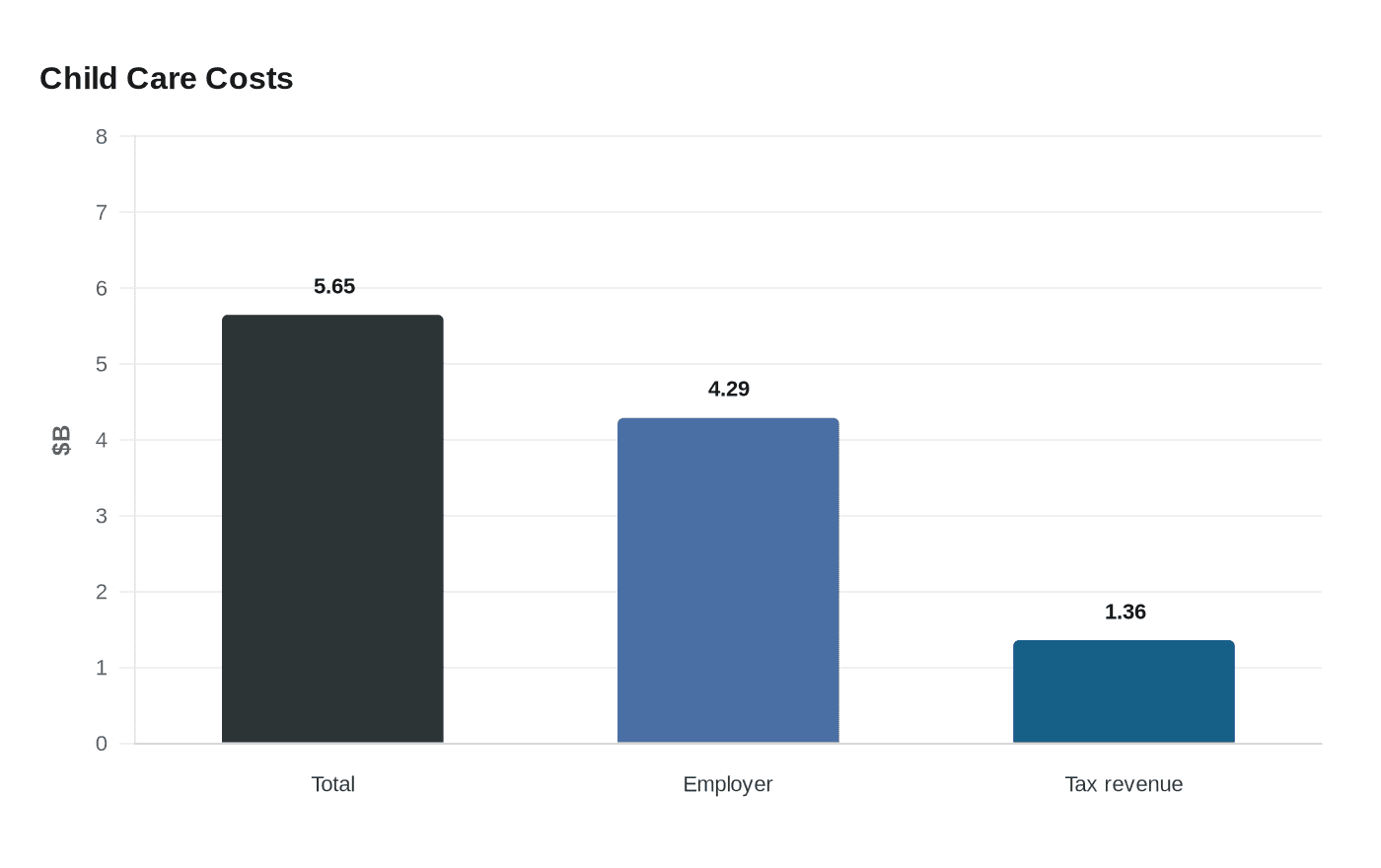
Statewide, Commerce estimated child care-related work disruptions cost North Carolina $5.65 billion a year, including $4.29 billion in employer costs and $1.36 billion in lost tax revenue. The agency said county losses vary based on the number of affected workers and local wage levels, but the pattern is clear in Buncombe County, where the shortage is hitting both household budgets and business operations at the same time. In a region already coping with labor shortages, high housing costs and storm recovery, that makes child care a workforce issue as much as an affordability issue.
Local business leaders have been warning about this for years. Asheville Area Chamber of Commerce President and CEO Kit Cramer said in 2023 that child care is a “critical” part of Western North Carolina’s economy and warned that without public investment the region risked a “critical loss of child care workers.” The chamber cited a North Carolina Chamber Foundation survey showing 26% of parents with children 5 and under left the workforce because they could not find affordable child care, 60% missed work because of child care problems and 32% skipped job training or continuing education for the same reason.

The system that supports working parents is under strain too. Buncombe Partnership for Children data showed the county’s early childhood workforce included 808 teachers, 107 administrators and 76 support staff as of September 2023. Teaching staff averaged $13.37 an hour, while directors averaged $24.00. Enrollment in child care programs fell from 5,473 children in February 2020 to 4,571 in April 2023, even as the county had 112 facilities serving children ages 0 to 12. Among 114 teacher-administrators in 54 facilities receiving WAGE$ salary supplements, turnover was 19%.
State leaders are now treating child care as infrastructure. Governor Josh Stein’s task force called it a “business issue, a talent issue, and a health issue” in its July 2025 interim report, and its year-end report said 280 licensed providers closed statewide between January and October 2025. It also said Child Care Stabilization Grants ended in March 2025 and a proposed subsidy increase had not yet been enacted in the 2025-27 budget. In Buncombe County, the Asheville chamber said a subsidy reimbursement floor could mean up to $300 more per infant per month for 5-star centers. After Hurricane Helene and a 2% over-the-year job loss in the Asheville metro area, the county’s child care shortage has become part of a larger question: whether Western North Carolina can keep enough workers in the labor force to keep the economy moving.
This article was produced by Prism’s automated news system from verified source data, official records, and press releases, then run through automated quality and moderation checks before publishing. The system is built and supervised by the people who set the standards it runs under. Read our full AI policy.
Did this article answer your question?


