Asheville woman turns son’s unsolved killing into violence prevention work
Wendy Brooks lost her son in West Asheville and turned that grief into prevention work that tries to stop the next shooting before it starts.
When the system missed LaMichael Shawn Carter, his mother built another response
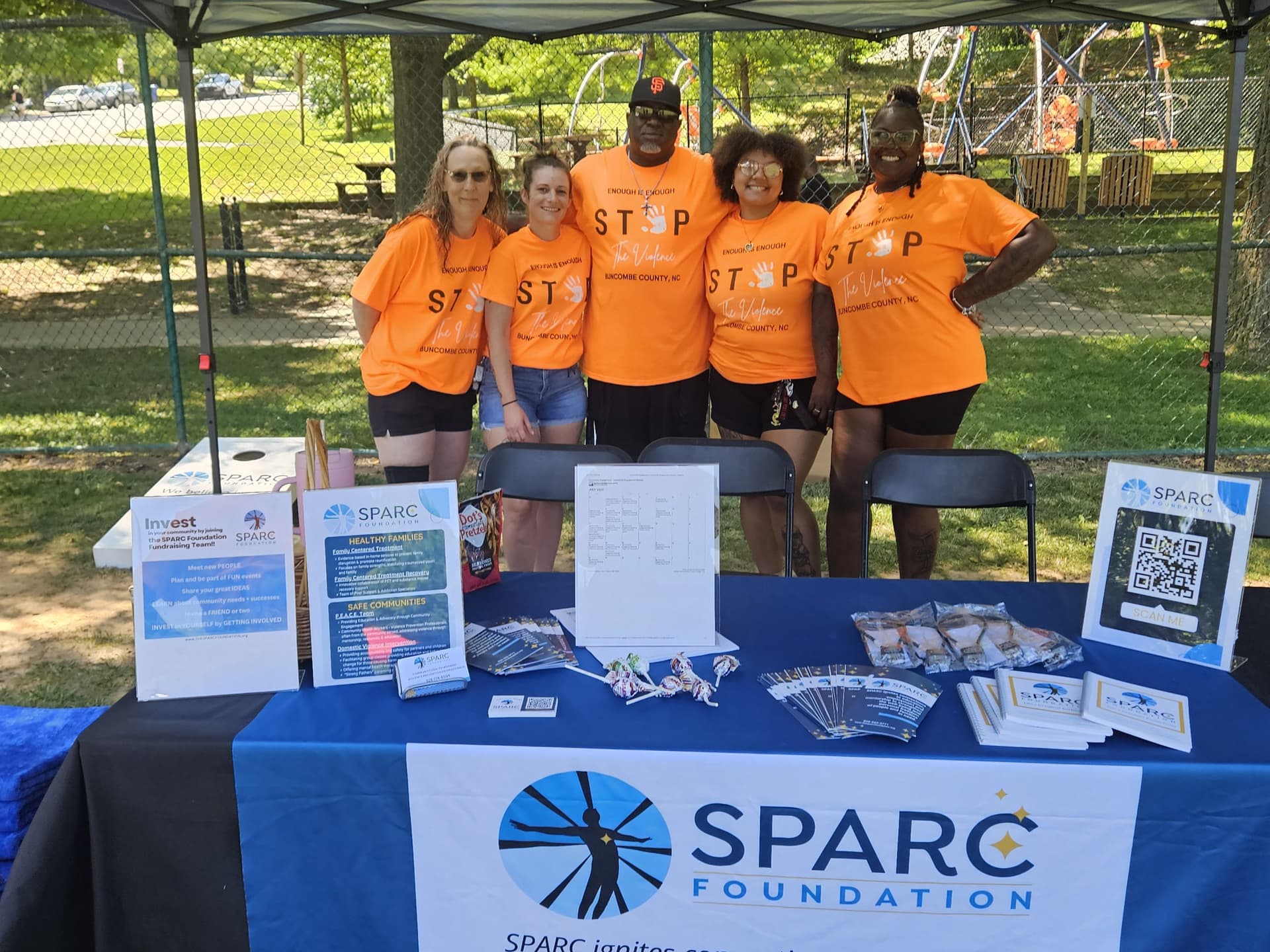
Wendy Brooks is still living with the unsolved killing of her 27-year-old son, LaMichael Shawn Carter, who was shot and killed outside her West Asheville home in April 2022. Investigators have continued to seek answers, but Brooks has refused to let the case end with grief alone. She has pushed that pain into violence prevention work that starts long before a shooting and reaches into the daily crises that can make one more death feel unavoidable.
That is the gap her work tries to fill: not the moment after the gunfire, but the hours, days and weeks when a family is falling apart under the weight of housing instability, food insecurity, unpaid bills, trauma and easy access to guns. In Buncombe County, that prevention-first approach is no longer just a private effort by one family. It is part of a wider public safety shift, one that asks what community-led work can do that arrests and enforcement cannot.
How SPARC tries to interrupt the next shooting
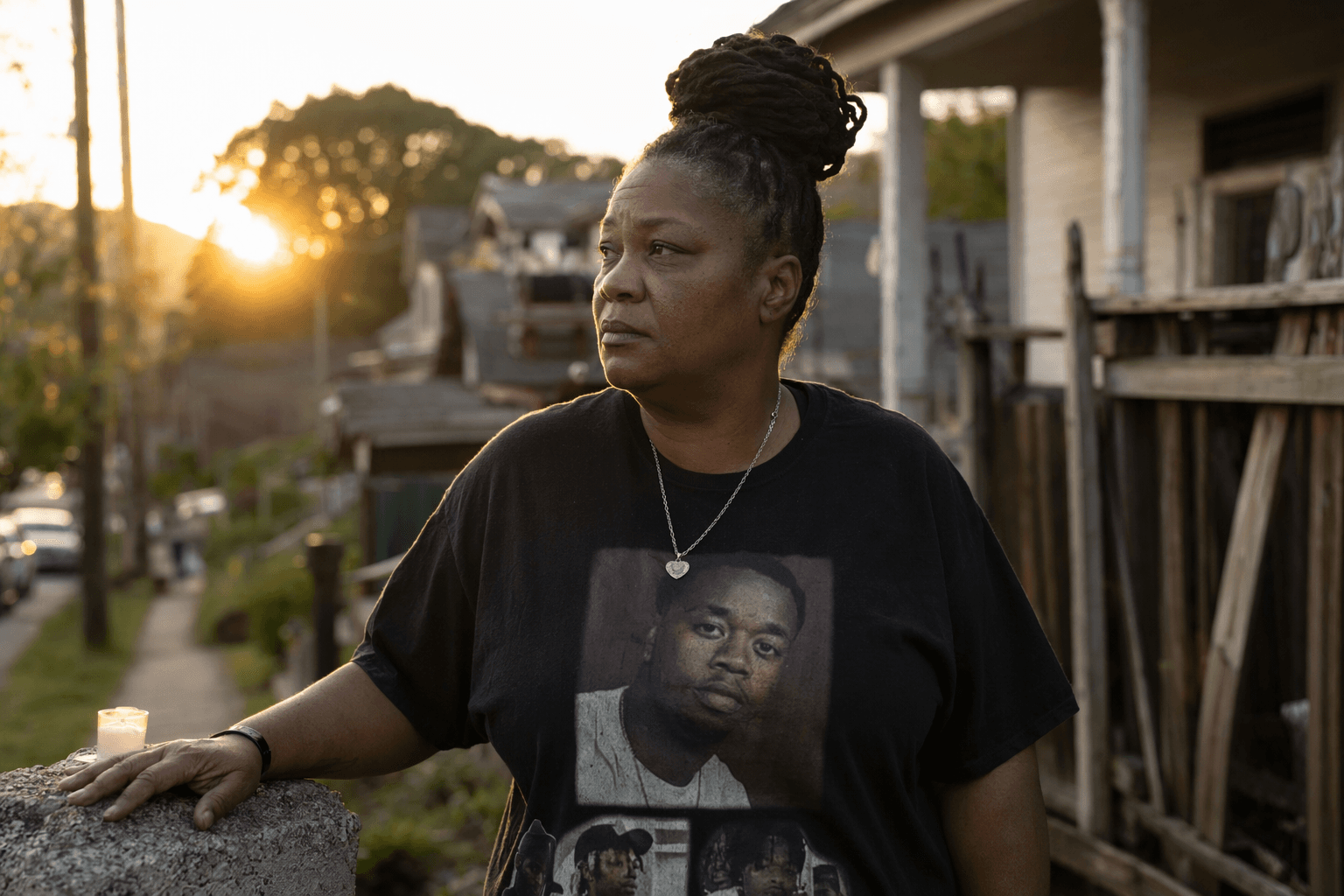
Brooks works with the SPARC Foundation, where executive director Jackie Latek and community health workers focus on people in crisis before violence escalates. Their model is practical and immediate. If someone is facing eviction, unsafe housing, grief, untreated trauma or a lack of basic needs, SPARC connects them to help that can stabilize the situation before it turns deadly.
That support can include housing help, therapy, food assistance, grief support and other services. The team also works in neighborhoods affected by gun violence, not just in offices or meetings, which matters in a county where public trust often depends on whether help is visible, local and fast. A photo from a Family Fun and Safety event at Martin Luther King Jr. Park captured that reality: prevention work is happening in the same public spaces where Asheville families already gather.
Brooks and Latek argue that violence is rarely just about a single weapon or a single bad decision. It is usually the end result of multiple failures, including unmet needs that went unaddressed until a crisis turned irreversible. That framing pushes Buncombe County’s violence conversation toward public health, not just policing.
What Asheville’s Victim Services Unit does after harm has already happened
The Asheville Police Department’s Victim Services Unit is one of the local public systems that steps in after violence or other crime has already touched a family. The city says the unit includes two dedicated advocates who provide confidential support to victims, witnesses and their families.
That support can include safety planning, emergency food, clothing, shelter, rides and referrals to therapists or support groups. For families caught in the aftermath of a shooting, those services can make the difference between temporary chaos and a deeper spiral into crisis. They are not a substitute for prevention, but they do represent one way local agencies can reduce harm when violence has already occurred.
The difference between this kind of support and a purely enforcement-centered response is important. Victim services are not about paperwork or punishment alone. They are about helping someone stay housed, fed, connected and safe enough to get through the next day.
The county is building a broader violence-prevention system
Buncombe County’s 2023 Community Safety & Violence Prevention Plan makes clear that the county sees violence as a community issue shaped by safety, community cohesion, health, collective efficacy, accountability, healing and equity. The plan is designed to center people with lived experience and bring together education, public health, law enforcement, legal systems, social work, housing and health care partners.
That approach did not appear overnight. Buncombe County says it first joined the John D. and Catherine T. MacArthur Foundation’s Safety and Justice Challenge Network in 2017. It later received an initial $1.75 million award in 2018, another $1.75 million award in 2021 and a further $1.1 million grant in 2023, bringing total MacArthur funding to $4.6 million.
The county says that work has also produced measurable change inside the justice system. Between February 2019 and January 2021, Buncombe reduced its average monthly jail population by 30%. That matters because the county has tied public safety to a broader set of outcomes than incarceration alone: fewer people cycling through jail, more people linked to services and a stronger emphasis on prevention before crisis deepens.
Buncombe has also received about $2.5 million from the Office of Justice Programs and the American Rescue Plan to support community-based public-health responses to violence. Local reporting said the county celebrated the first graduating class of its Violence Prevention Community Health Workers program on June 14, 2024, showing that the county is trying to build a workforce around this model, not just fund short-term projects.
Why the cost of inaction is measured in lives
The need for prevention is not abstract in Buncombe County. The North Carolina Violent Death Reporting System counted 638 violent deaths in the county from 2012 through 2021, including 125 homicides. That is the scale of the loss sitting behind every policy discussion, every community meeting and every family trying to keep a name from becoming the next statistic.
The county’s own public health system treats that data as a prevention tool, not just a record of what already happened. That distinction matters because violence trends can move faster than bureaucracy. When a family is already overwhelmed by trauma, a missed bill, an unsafe apartment or a lack of support can become part of a chain that ends in another shooting.
That urgency is sharpened by younger residents’ exposure to gun violence. A local report in June 2024 said Asheville-area youth gun violence was up 255%. Around the same time, a gun-safety event at Pack Square Park brought together community groups, law enforcement and residents to emphasize secure gun storage. The message was direct: prevention has to reach into homes, parks and neighborhoods before a gun is fired.
What this means for West Asheville and the rest of Buncombe
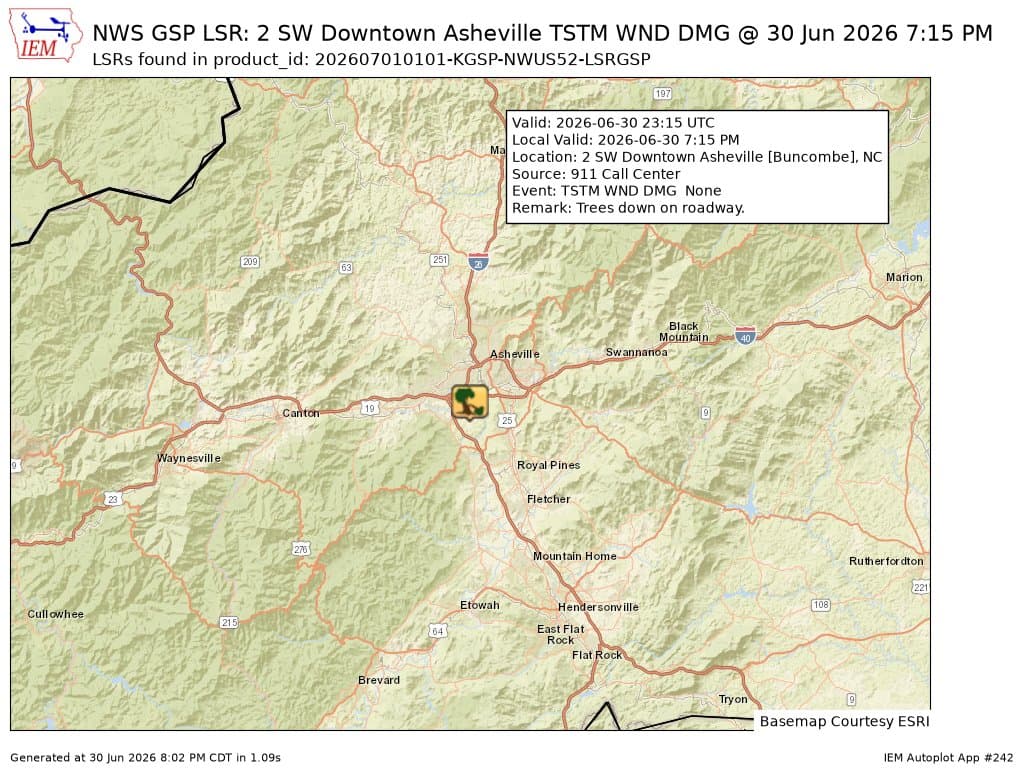
Brooks’ work is rooted in one family’s loss, but it points toward a countywide question. If the most visible response comes after the shooting, what is being done early enough to keep a crisis from turning fatal? In West Asheville, on Fairfax Avenue, and in neighborhoods across Asheville, the answer increasingly depends on community health workers, victim advocates, public health staff and neighborhood-based programs that can spot instability before it becomes violence.
The challenge for Buncombe County is not just to fund these efforts, but to measure them honestly and sustain them long enough to matter. The county has already invested in the infrastructure, the data and the partnerships. What remains is whether those systems can match the urgency of the people living with gun violence now.
For Brooks, the work is personal. For Buncombe County, it is a test of whether public safety can mean more than arrests after the fact.
This article was produced by Prism’s automated news system from verified source data, official records, and press releases, then run through automated quality and moderation checks before publishing. The system is built and supervised by the people who set the standards it runs under. Read our full AI policy.
Did this article answer your question?