Beaucatcher battle helped spark Asheville preservation movement, article says
Beaucatcher Mountain’s 800-foot cut did not just scar a hillside. It helped launch Asheville’s preservation movement, and its legacy still shapes housing, zoning, and redevelopment fights.
Beaucatcher Mountain was the spark that changed Asheville’s preservation politics
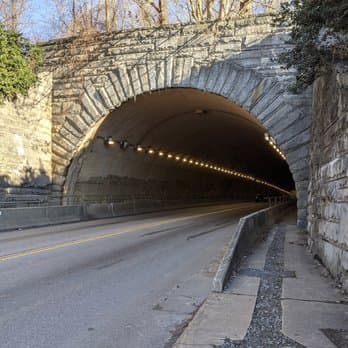
On Beaucatcher Mountain, the old road tunnel from 1929 did not stop the later Interstate 240 plan from carving an approximately 800-foot-wide open cut through the hillside. That fight, and the sight of local crews blasting a huge slice out of the mountain, became the kind of public shock that changes a city’s politics. For Betty Lawrence and other residents trying to stop the North Carolina Department of Transportation, the loss was painful. It also became a warning: if a mountain could be altered that dramatically, what else in Asheville and Buncombe County could disappear?
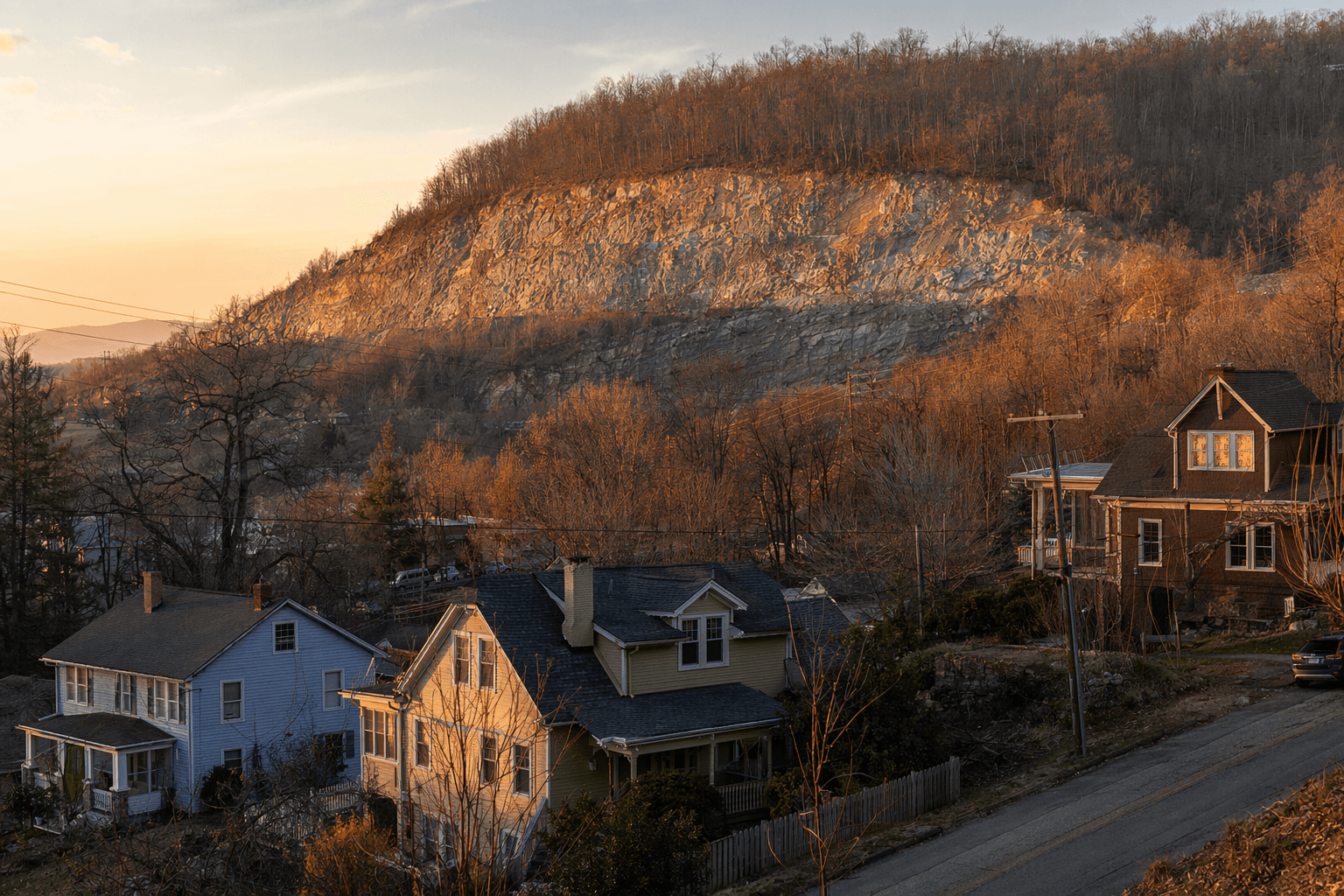
That question helped launch the Preservation Society of Asheville and Buncombe County in 1976. Roughly three dozen residents gathered in a Charlotte Street stone building to talk about saving the city they loved, and that meeting became the organization’s beginning. The building still serves as the society’s headquarters, a physical reminder that the group emerged from a specific neighborhood alarm and a very local sense of urgency.
A preservation group born from bicentennial-era pressure
The society says its founding was tied to the U.S. Bicentennial, along with threats from downtown disinvestment, insensitive alterations, neglect, and large-scale transportation projects. Asheville in 1976 was a city looking backward and forward at once, marking the nation’s 200th birthday while downtown development was accelerating and Montford faced demolition threats. That mix of celebration and vulnerability gave preservation a political edge that it still carries today.
The Beaucatcher battle fit squarely into that moment. Asheville already had a road tunnel through the mountain, completed in 1929, but the Interstate 240 open-cut proposal would have replaced quiet terrain with an enormous exposed trench. Preservationists argued the roadway should have stayed in a tunnel. Even though the effort failed, it helped residents see development as a choice, not an inevitability.
What the preservation society has protected, and why that matters now
From that first meeting, the Preservation Society grew from a volunteer-led effort into a major preservation force. The organization says it has protected dozens of historic properties and expanded beyond pure advocacy into education and affordable housing. Its current mission is to conserve Asheville and Buncombe County’s heritage and sense of place through preservation and promotion of historic resources.
That mission has real consequences in a county where growth pressure never really stops. Preservation can keep historic buildings standing, but it also helps shape how neighborhoods change, how redevelopment gets negotiated, and which places remain visible in a city that often feels like it is rebuilding itself in place. The society’s work matters not just because it saves old structures, but because it helps decide whether a neighborhood keeps its memory while new investment arrives.
For many residents, that means preservation is not a luxury. It is part of public health, community stability, and social equity. Historic districts can protect neighborhood identity and walkability, while poorly managed redevelopment can push out long-time residents, erase local gathering places, and weaken the social networks people rely on for support.
The current pressure point is not just demolition, but reinvention
One of the clearest examples of that tension is the former Cappadocia Fire-Baptized Holiness Church in Asheville’s historically Black East End/Valley Street neighborhood. In January 2024, the Preservation Society bought the church, with plans to convert it into three units of deeply affordable housing. Local coverage said the last congregation used the church until about 2013. The project is being backed by the East End/Valley Street Neighborhood Association and Dogwood Health Trust.
That project shows how preservation is changing in response to Asheville’s housing shortage. Instead of choosing between saving a landmark and addressing need, the society is trying to do both. A church that once served a neighborhood congregation could become housing that helps keep people in the community while preserving a structure with deep local meaning. It is a practical example of how historic conservation can support housing policy rather than sit apart from it.
The site also underscores the pressures ahead. Historic buildings in Asheville are increasingly vulnerable not only to demolition, but to vacancy, disinvestment, and the financial strain of adapting older structures for new uses. The preservation fight now includes questions about who gets to live in restored buildings, how affordability is maintained, and whether redevelopment serves current residents or simply raises property values.
The city’s review process is a key part of the fight
Asheville’s Historic Resources Commission remains central to those decisions. The city says the commission is the municipal historic preservation agency, and that it is responsible for local district and landmark designation. That makes it one of the most important local bodies shaping the future of old buildings, neighborhood character, and redevelopment proposals.
For residents, that means preservation is not happening only through advocacy groups. It also runs through public process, local review, and formal designation. When projects threaten historic places, the commission becomes part of the conversation about what can change, what should be protected, and how much alteration a place can absorb before it loses its meaning.
Why the Beaucatcher legacy still reaches across Buncombe County
The larger lesson of the Beaucatcher fight is that one development battle can reset the terms of debate for decades. The mountain cut did not just alter the landscape; it helped convince residents that ordinary people had to organize if they wanted any say in what Asheville became. That spirit shaped the Preservation Society’s growth from a handful of neighbors in a Charlotte Street building into a lasting institution with influence across Asheville and Buncombe County.
That legacy still matters because the same basic questions are alive in every major land-use fight: what gets saved, who decides, and who bears the cost when growth outpaces planning. In Asheville, preservation is no longer only about looking backward. It is part of the fight over housing, neighborhood identity, and whether the places that make the city recognizable will still be there when the next wave of development arrives.
This article was produced by Prism’s automated news system from verified source data, official records, and press releases, then run through automated quality and moderation checks before publishing. The system is built and supervised by the people who set the standards it runs under. Read our full AI policy.
Did this article answer your question?