Buncombe County seeks public input on opioid settlement spending plan
Buncombe County is asking residents to steer more than $30 million in opioid settlement money toward services they can actually see, from overdose response to recovery support.
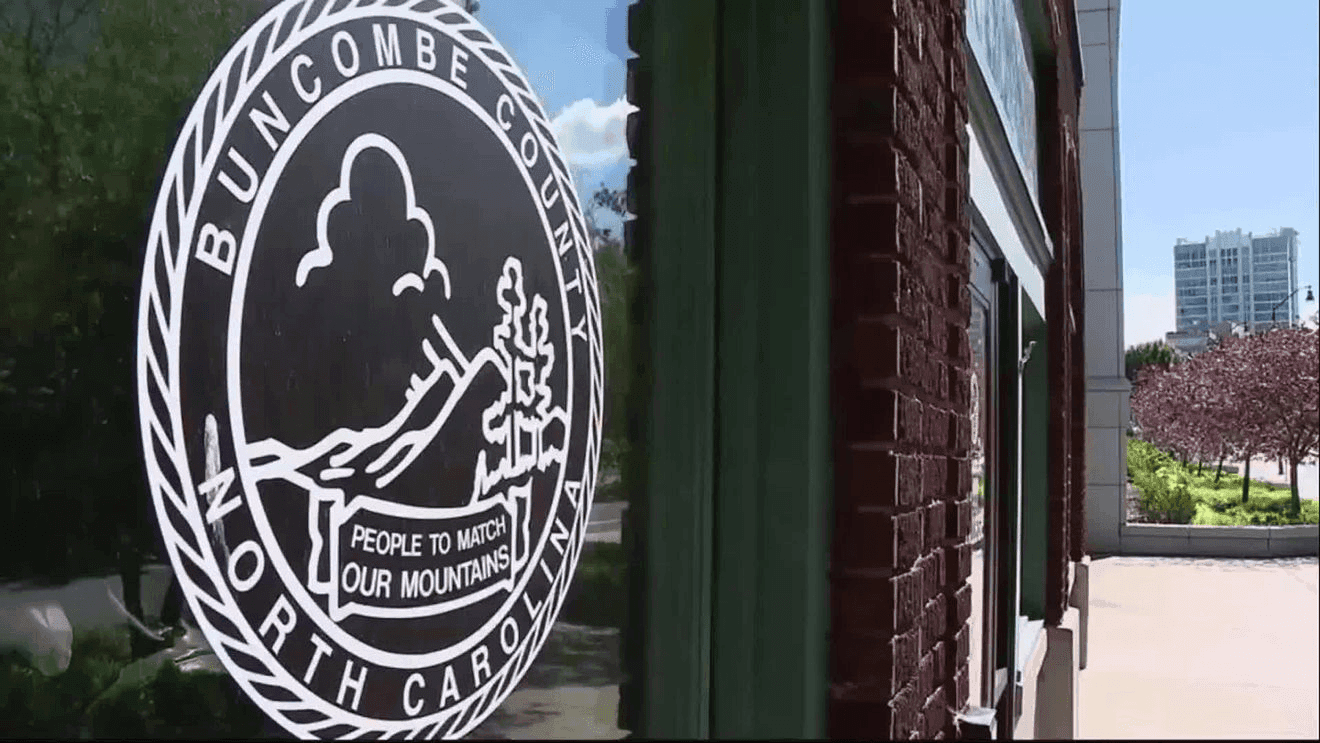
Buncombe County has opened a public-input process that will help decide how its opioid settlement dollars are spent from fiscal years 2028 through 2030, putting one of the county’s few flexible public-health funding streams back in front of residents. County officials say the question is not whether the money will be used, but whether it will keep showing up in ways people can recognize: overdose response, treatment access, recovery support, and safety tools that reach neighborhoods still feeling the weight of fentanyl and addiction.
The county says it will receive more than $30 million in opioid settlement funds from 2022 through 2039. That money has already been used for post-overdose response teams, medications that help people reduce or stop opioid use, harm-reduction outreach, naloxone distribution, test strips, peer support specialists, reentry help for people leaving jail, and social-needs support that includes housing, transportation, employment, and communication tools. County materials say those investments are meant to move beyond emergency response and into longer-term stabilization, especially in communities with more barriers to care.

Residents who fill out the survey are being asked to help shape the next strategic plan, and the county says the process takes about 10 minutes. The survey is voluntary, collects no names or personal information unless someone chooses to provide it, and asks only for general location, age range, and race or ethnicity. County officials say responses may be subject to North Carolina public records law. Questions about the process can be directed to Behavioral Health Manager Victoria Reichard.
The county’s opioid settlement work began with a community vision in 2022 and a strategic plan built from community feedback in 2023. A June 2024 county resolution authorized settlement spending on collaborative strategic planning, evidence-based addiction treatment, recovery support services, and naloxone distribution, with the largest share set aside for recovery support services. County materials say FY2025 opioid settlement spending totaled $2,914,819 and FY2026 budgeted spending rose to $3,218,194, while a May 2024 briefing placed the county’s expected share at $29,249,904 between 2022 and 2038.
The county says its earlier investments were already producing measurable results. PORT responded to nearly 1,000 overdoses, and 77% of the people reached started treatment. Reentry Services participants avoided re-arrest 83% of the time, and more than 4,000 naloxone kits were distributed. County officials also said the services were adapted during Tropical Storm Helene, underscoring how opioid settlement money has become part of Buncombe County’s broader public-safety net.
Across North Carolina, the settlement process is being tracked through CORE-NC, which says the state is receiving roughly $1.4 billion to $1.6 billion in national opioid settlement funds over 18 years. For Buncombe County, the latest survey is a chance to decide whether future dollars strengthen the county’s treatment pipeline, recovery housing, and follow-up after overdoses, or disappear into a planning process that residents never see on the ground.
This article was produced by Prism’s automated news system from verified source data, official records, and press releases, then run through automated quality and moderation checks before publishing. The system is built and supervised by the people who set the standards it runs under. Read our full AI policy.
Know something we missed? Have a correction or additional information?
Submit a Tip