State kicks off E. coli testing on French Broad River in Asheville
State crews began E. coli sampling at Jean Webb Park, giving Asheville a day-by-day read on French Broad River safety for swimming, paddling and tubing.
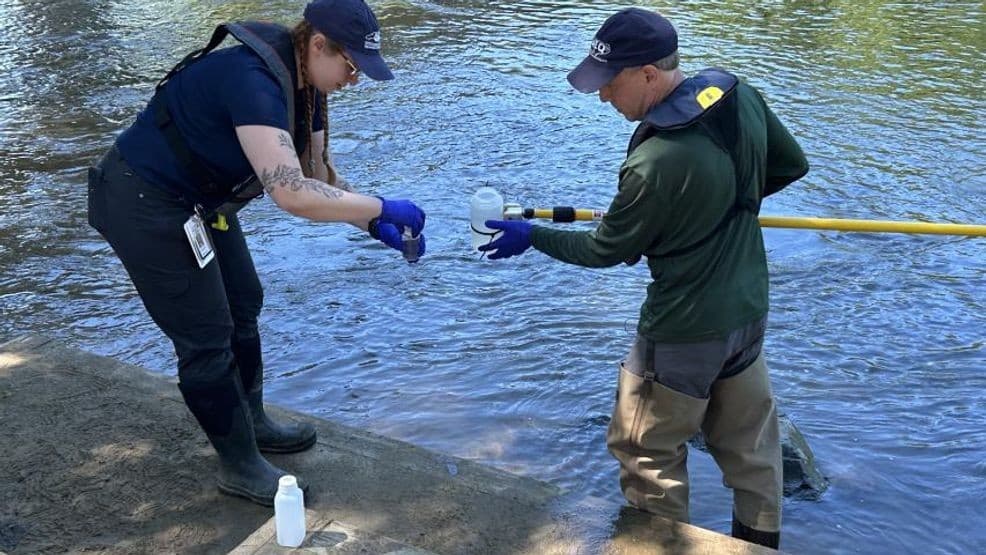
State officials launched North Carolina’s recreational water-quality season at Jean Webb Park in Asheville, putting the French Broad River at the center of a summer monitoring effort built around one simple question: how safe is the water today?
Department of Environmental Quality Secretary Reid Wilson visited the riverfront as staff with the Division of Water Resources began sampling local waterways for E. coli, a bacteria commonly used to gauge whether runoff or sewage contamination may have made the water riskier for people who paddle, swim, tube or fish. For Buncombe County residents, that sampling is not abstract environmental work. It is the data that can shape whether a family plans a river outing, whether a paddling company sends customers out, and whether a riverside business can point visitors to current water conditions instead of old fears and rumors.
The testing season covered 71 sites across Western North Carolina, with Asheville’s stretch of the French Broad among the most visible. That broader network matters because water quality in the mountains can change fast after heavy rain, when runoff can push bacteria levels up and complicate recreation for days at a time. The state’s monitoring gives the public a clearer snapshot of those changes rather than forcing residents to guess based on weather, river color or word of mouth.
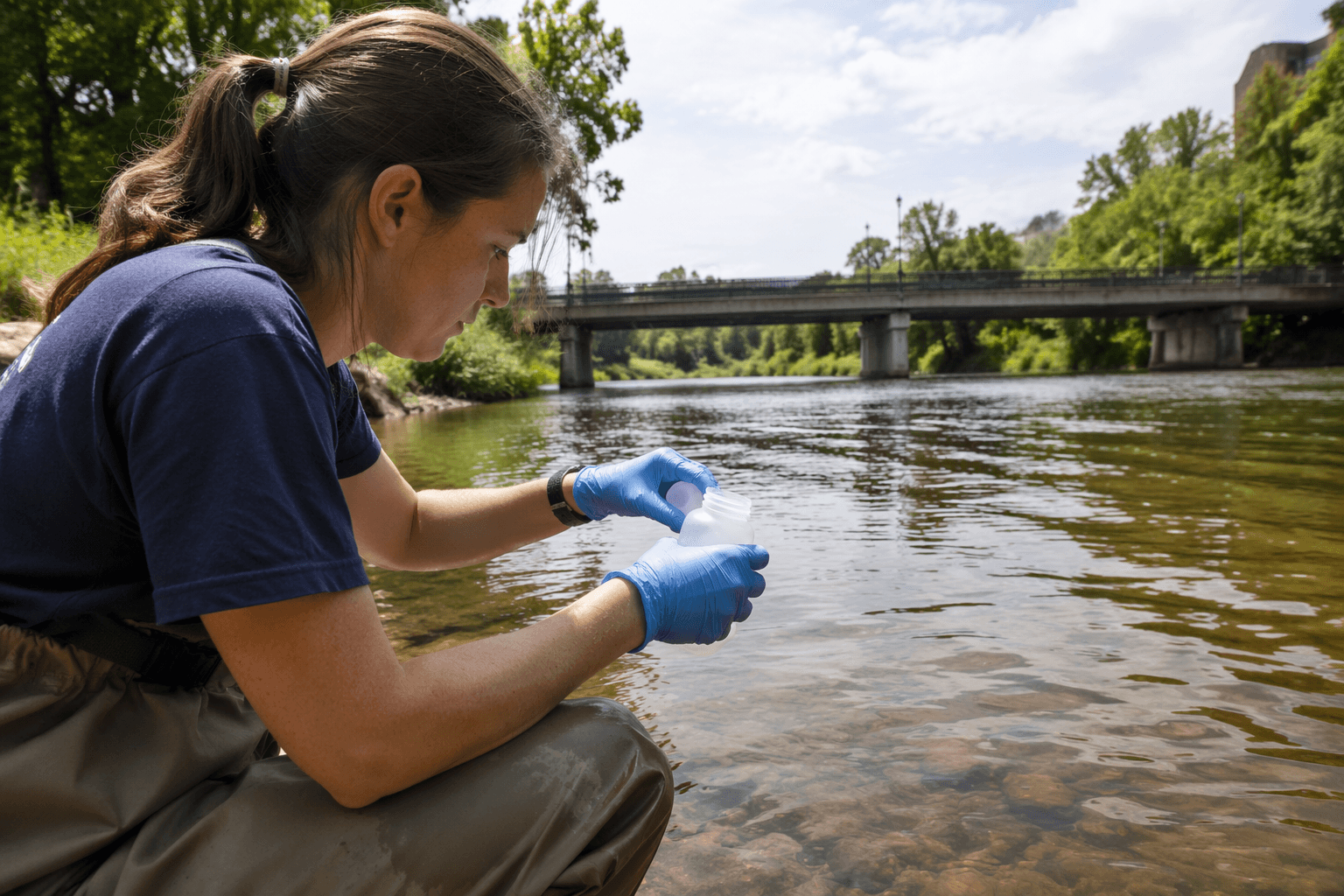
Jean Webb Park was a fitting place to start. The park sits beside one of the region’s most heavily used urban river corridors, where the French Broad is part recreation asset, part economic driver and part public-health concern. The seasonal sampling program places official attention on a river that Buncombe County has spent years promoting for access, greenways and outdoor tourism, while also confronting the reality that water quality concerns can quickly affect trust.
For swimmers and paddlers, the practical value is immediate: the results tell them when conditions are better or worse for getting in the water. For businesses along the river, the information can influence bookings, events and the tone of summer marketing. And for Asheville, the start of the sampling season signaled that the French Broad is being watched in real time, not just after a complaint, a storm or a contamination scare.
This article was produced by Prism’s automated news system from verified source data, official records, and press releases, then run through automated quality and moderation checks before publishing. The system is built and supervised by the people who set the standards it runs under. Read our full AI policy.
Know something we missed? Have a correction or additional information?
Submit a Tip