District attorney clears Asheville officers in fatal April shooting
Todd Williams cleared Asheville officers in the fatal shooting of 80-year-old James Martin Jones after reviewing video from the April 21 encounter. The SBI investigated, and two officers stayed on leave.
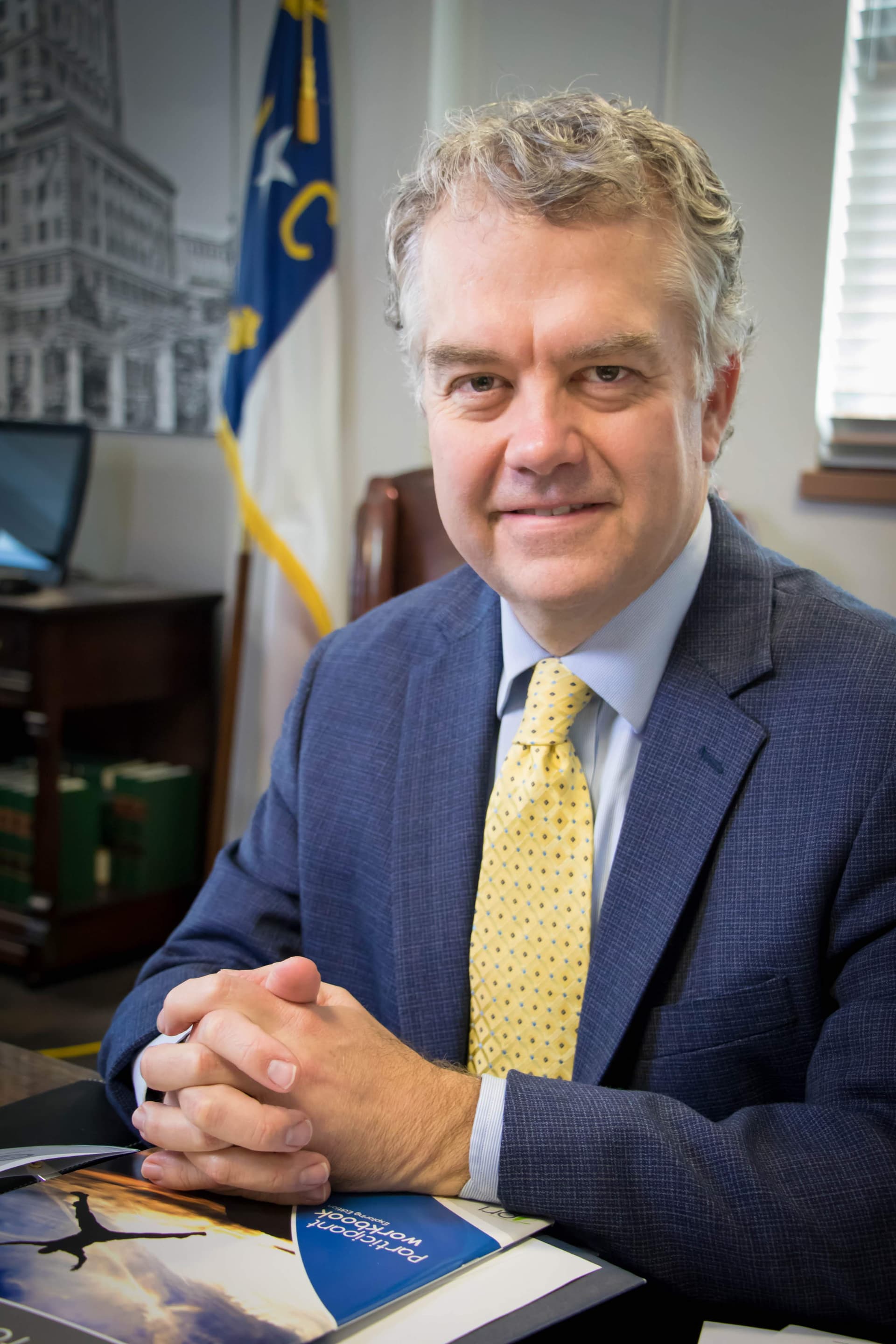
Buncombe County District Attorney Todd Williams has cleared Asheville police officers in the fatal shooting of 80-year-old James Martin Jones, closing the criminal review after the April confrontation at a south Asheville strip mall.
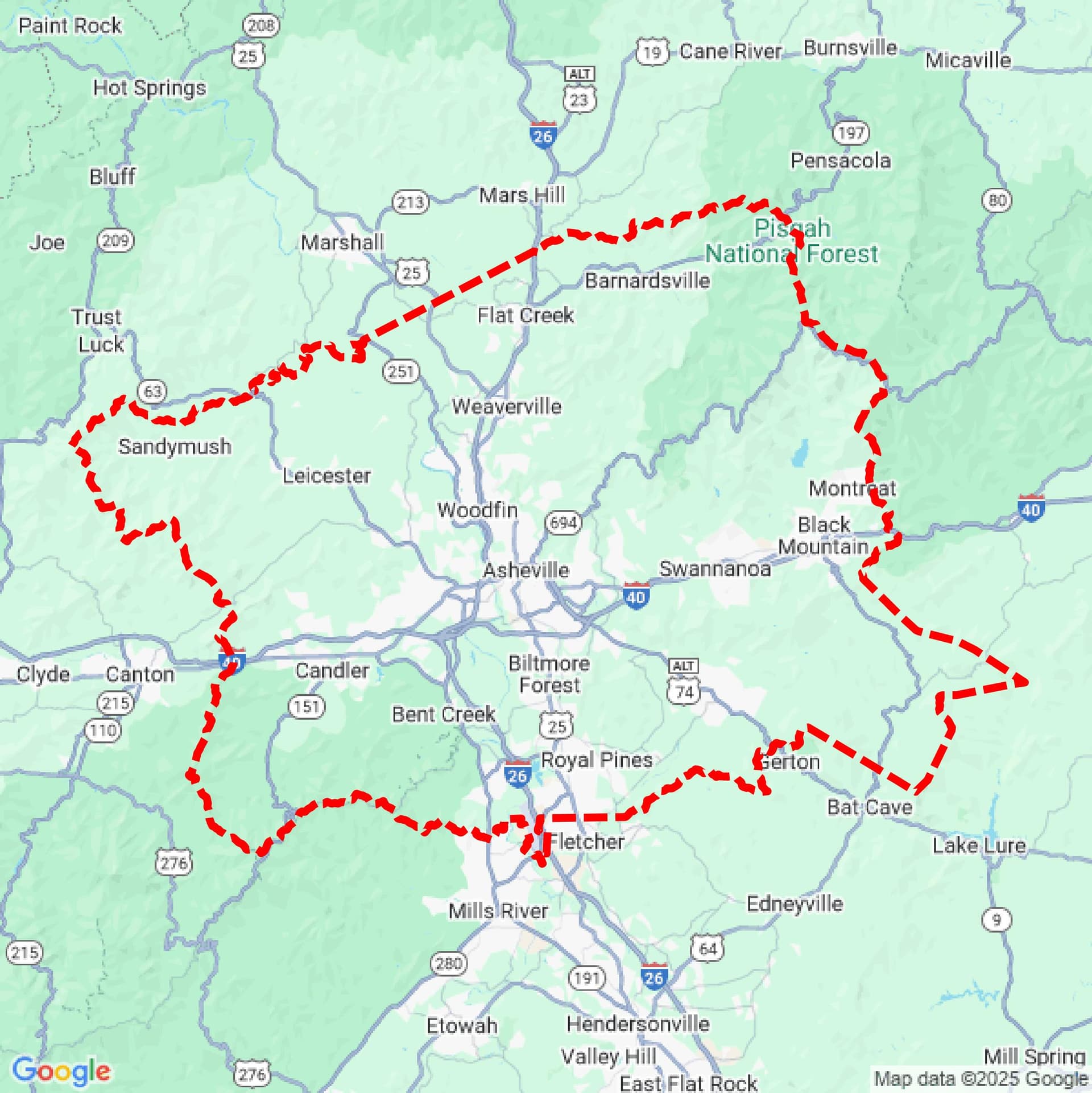
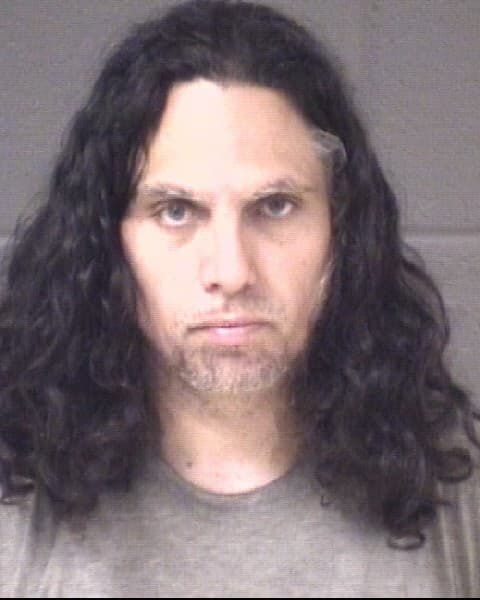
Jones, of Burnsville, was shot around 9:45 p.m. on April 21 at 1987 Hendersonville Road after Asheville police responded to a 911 call about a person armed with a firearm inside a commercial strip mall. Williams said Jones fired through a glass door toward officers, shattering the glass and sending fragments into one officer. The injuries were described as non-life-threatening.
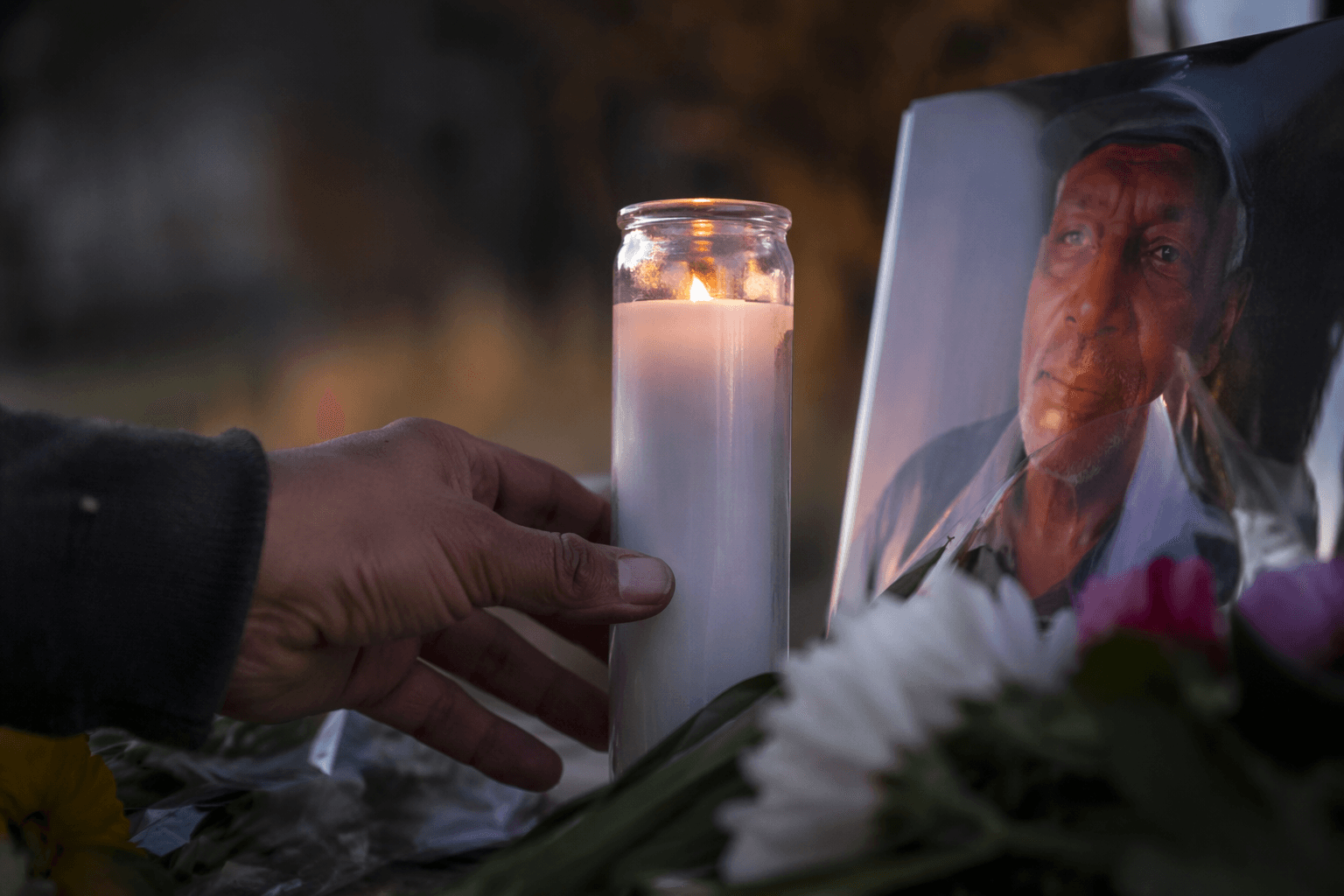
Officers then went inside the business, provided medical aid and transported Jones to Mission Hospital, where he died. A 911 caller described Jones as senile and not in his right mind, adding to the confusion surrounding the encounter as it unfolded.
Williams told Asheville police in a June 10 email that he would not file criminal charges against any officer involved, calling the shooting a defensive use of force. The Citizen Times obtained the email on June 25 after asking about the investigation.
The district attorney’s review relied on body-worn camera video and video from inside the business, giving the legal decision a recorded evidentiary basis beyond witness accounts. The North Carolina State Bureau of Investigation was involved in the case, following the usual state pattern in officer-involved shootings, where an outside agency investigates before a local district attorney makes the charging decision.
The Asheville Police Department still had two officers on administrative leave after the shooting, showing that the department’s internal review process remained active even after Williams declined to bring charges. For Buncombe County, the ruling ends the criminal-liability question for the officers, but it leaves open the broader public questions that often follow police shootings: how quickly officers can assess a volatile call, how mental state and age affect that response, and how much of the evidence the public gets to see when the case is over.
This article was produced by Prism’s automated news system from verified source data, official records, and press releases, then run through automated quality and moderation checks before publishing. The system is built and supervised by the people who set the standards it runs under. Read our full AI policy.
Know something we missed? Have a correction or additional information?
Submit a Tip