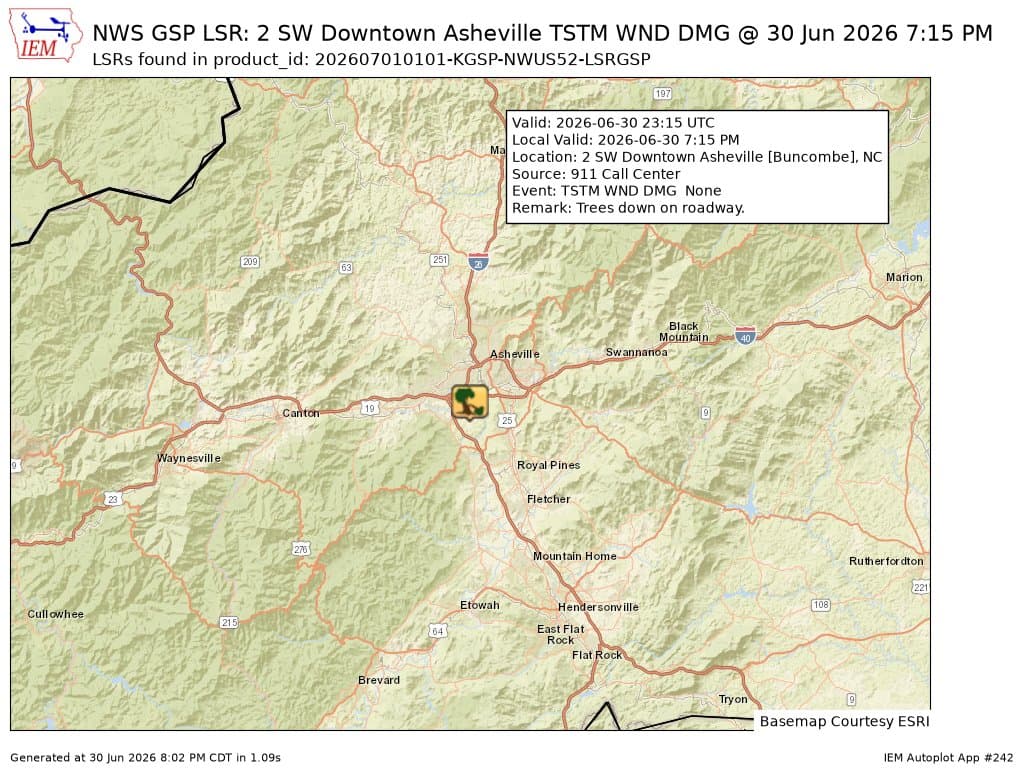
Fairview finds new gathering places after Hurricane Helene upheaval
Helene exposed Fairview’s isolation, and neighbors are rebuilding around two new hubs: a nonprofit barn and a growing forest trail system.
Hurricane Helene did not just wash out roads in Fairview. It exposed how hard it can be for a spread-out rural community to find one another when the usual routes fail.
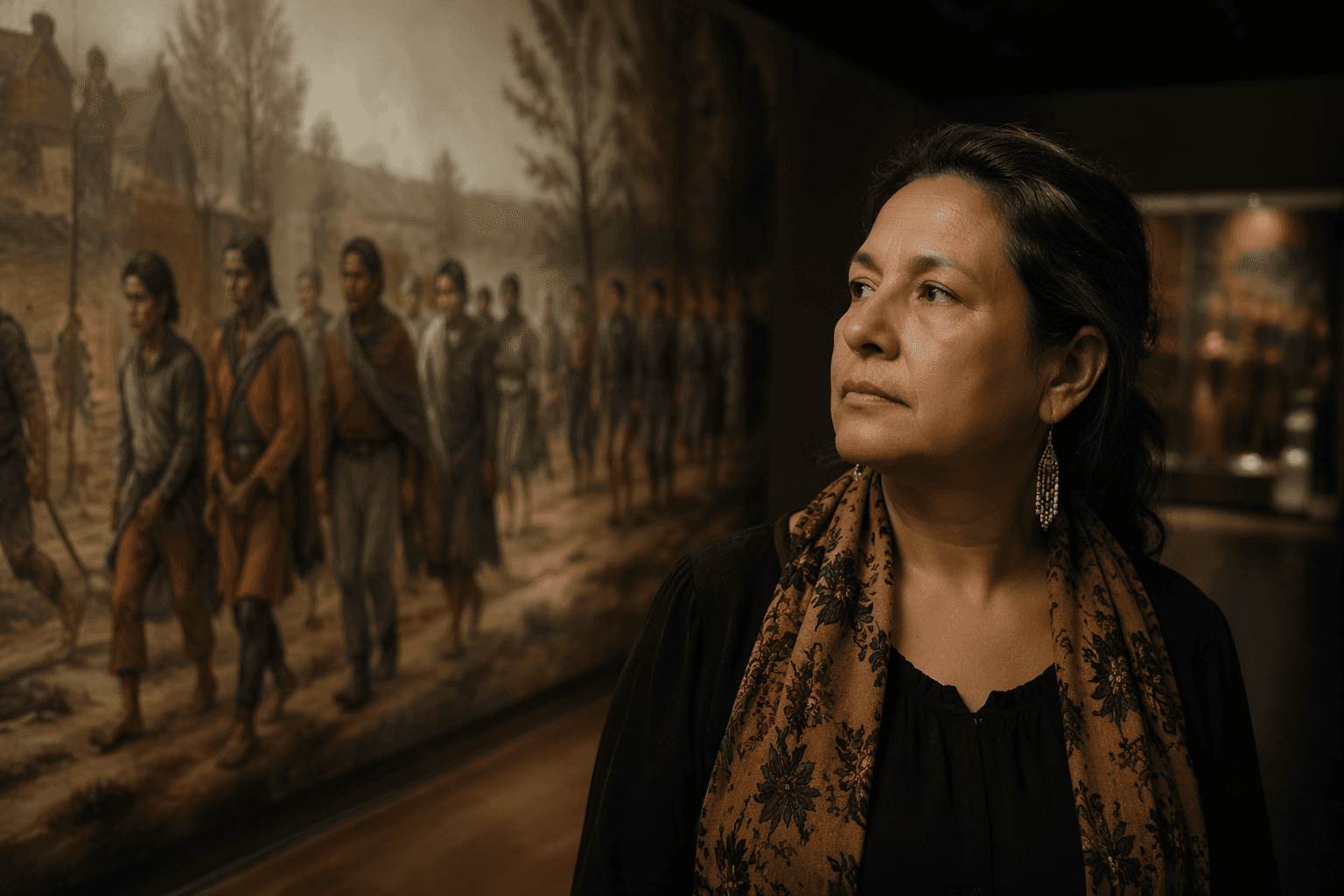
For Natalie Lamb and her family, who had moved to Fairview just nine months before the storm, the first days after Helene were a mix of blocked roads, mud, hunger and uncertainty. What stayed with them was not only the damage, but the way neighbors responded, cutting trees, sharing food, unloading supplies and keeping one another going when the area felt cut off.
A storm that revealed how disconnected Fairview could feel
The storm made plain something many longtime residents already knew: in a community where homes are spread across a rural landscape, there is not always an obvious place to gather, talk or process what has happened. Lamb’s experience showed that the problem was bigger than debris removal or road repair. It was also about whether people could reach each other, emotionally and practically, when routines collapsed.
That is why the story of Fairview after Helene is really a story about social infrastructure. The immediate crisis was physical, with roads falling apart and neighborhoods temporarily isolated. But the longer recovery question has been how to build places where neighbors can see one another again, exchange information and regain the ordinary habits that make a community resilient before the next emergency arrives.
The family did not fully understand how serious the damage was until they were able to get back into the area and see the destruction firsthand. By then, the urgency was already clear: when roads fail, the people who can communicate and coordinate quickly become the difference between a crisis that fractures a community and one that strengthens it.
Two new anchors have emerged
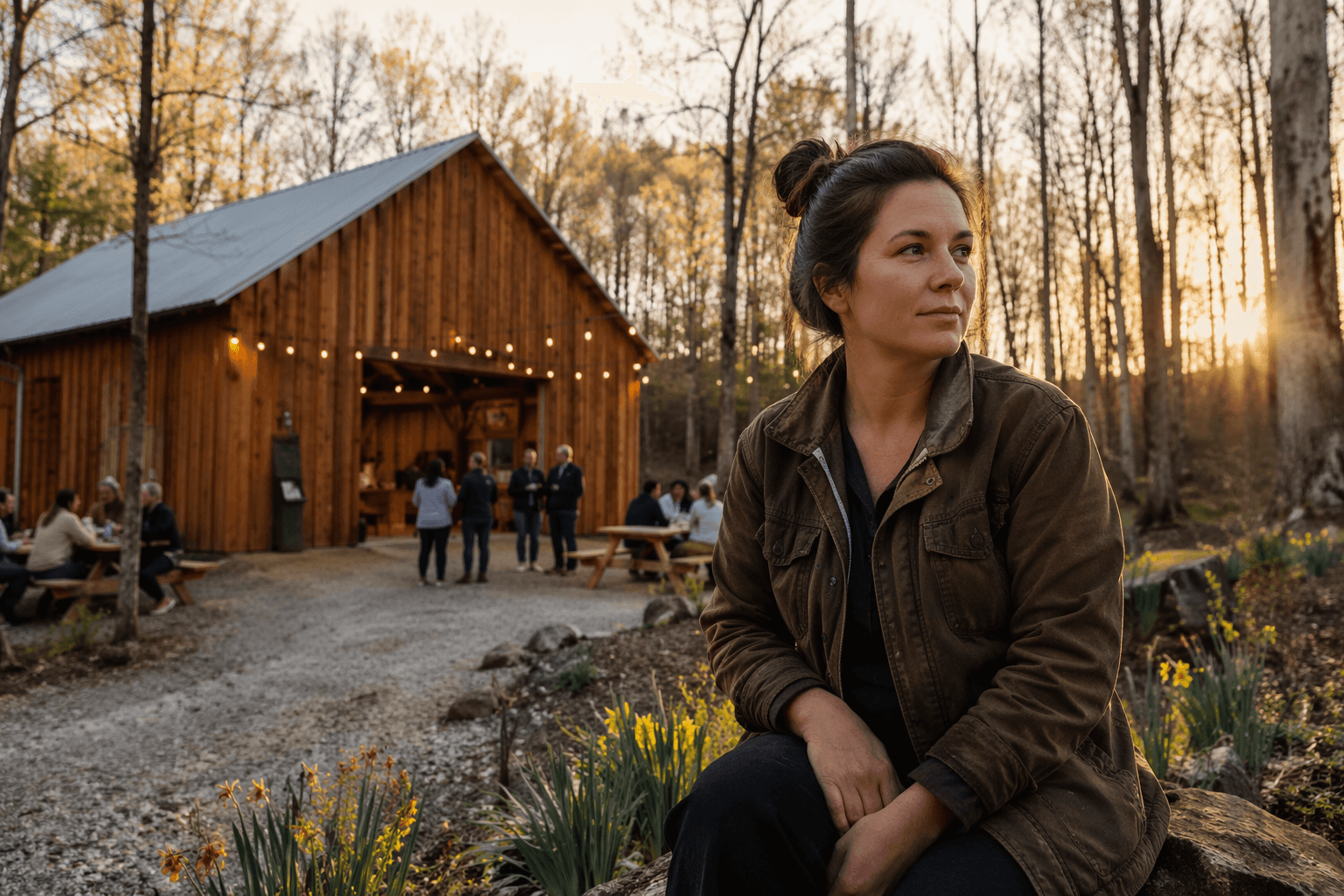
Since Helene, Fairview has gained two places that now serve as anchors for connection. One is a red barn and field that has become home to the Garren Creek Foundation. The other is the Fairview Community Forest, just down the road, which opened in March 2026 and immediately gave residents a new place to walk, ride and spend time together.
Together, those spaces do more than offer scenery or recreation. They give Fairview something many rural communities lack after disaster: a consistent place to meet people, compare experiences and rebuild a sense of belonging through regular use rather than one-time events.
The Garren Creek Foundation’s setting matters because it is rooted in the landscape itself, in a barn and field that feel familiar rather than formal. That kind of place can be easier for neighbors to claim as their own, especially in the aftermath of a storm when people may still be piecing together work, childcare, transportation and grief. The presence of a nonprofit there suggests a broader shift in Fairview, where recovery is becoming organized around places that invite repeated connection.
What the Fairview Community Forest adds
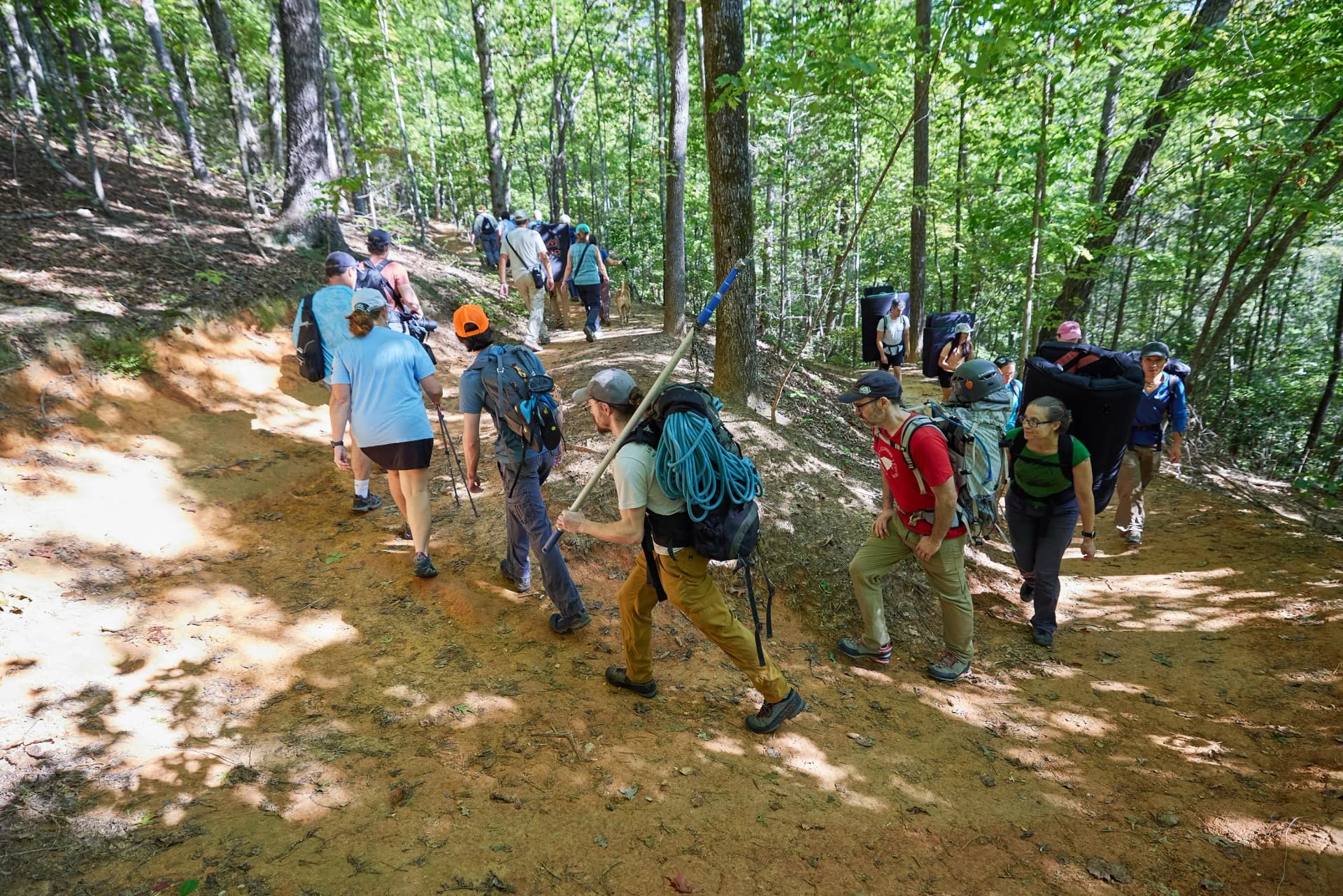
The Fairview Community Forest is the most visible sign of that shift. Conserving Carolina says the property covers 226 acres, purchased in 2025 from the former Camp Woodson, also known as the Presbyterian camp property. The first phase opened with the first three miles of a planned 11-mile trail network, giving the area walking, running and beginner-to-intermediate mountain biking opportunities right away.
That matters because the forest is not being built as a destination only for special occasions. It is being framed as an everyday space where people can return again and again. The trail system gives Fairview a public place for exercise, but it also gives neighbors a shared setting in which conversation can happen naturally, without requiring a meeting or a program.
The project is also tied to the WORX Project campus, and Conserving Carolina says the forest is intended to serve as a living classroom for local public school students. That adds another layer of public value. A trail network can support recreation, but a living classroom can also support environmental education, youth learning and a stronger relationship between families and the land around them.
For a community still living with the memory of Helene, that combination is powerful. A forest that welcomes hikers, runners and mountain bikers can also become a place where students, teachers and parents learn together, which helps turn recovery from a one-time cleanup effort into a routine part of community life.
Why Buncombe County’s recovery plan makes this bigger than Fairview
Fairview’s new gathering places also fit into a larger Buncombe County recovery picture. County officials and municipal partners have described the Helene Recovery Plan as a roadmap of 114 projects designed to rebuild housing, repair infrastructure, restore natural resources, strengthen disaster preparedness and support long-term community resilience.
That countywide framing matters because it shows how recovery extends far beyond fixing roads or restoring utilities. Buncombe County also operates a Helene recovery resource hub for residents, a sign that the response to the storm is meant to be both practical and ongoing. People need places to turn for help, but they also need places where the social fabric can be repaired.
In that sense, Fairview’s new barn-and-field gathering place and its community forest are not side notes to the recovery story. They are part of what resilience looks like on the ground. They give residents a place to return to after the immediate emergency has passed, and they offer a way to make shared space feel normal again.
What neighbors are building now
The lesson from Fairview is straightforward but important: disaster recovery is not complete when the roads reopen. A spread-out community also needs places where people can meet without having to cross too much distance, coordination that does not depend on chance, and shared spaces that make it easier to notice who is struggling.
Helene exposed the cost of isolation in Fairview. The response, through the Garren Creek Foundation, the Fairview Community Forest and Buncombe County’s wider recovery efforts, is beginning to answer that problem with something more durable than cleanup alone: places to gather, trails to share and a stronger network of neighbors who can reach each other before the next crisis hits.
This article was produced by Prism’s automated news system from verified source data, official records, and press releases, then run through automated quality and moderation checks before publishing. The system is built and supervised by the people who set the standards it runs under. Read our full AI policy.
Did this article answer your question?