Hominy Valley’s name traces back to a Native word for dried corn
Hominy Valley is more than a local name. It is the creek corridor, township boundary, and historic spine that still ties Upper Hominy, Lower Hominy, and west Buncombe together.

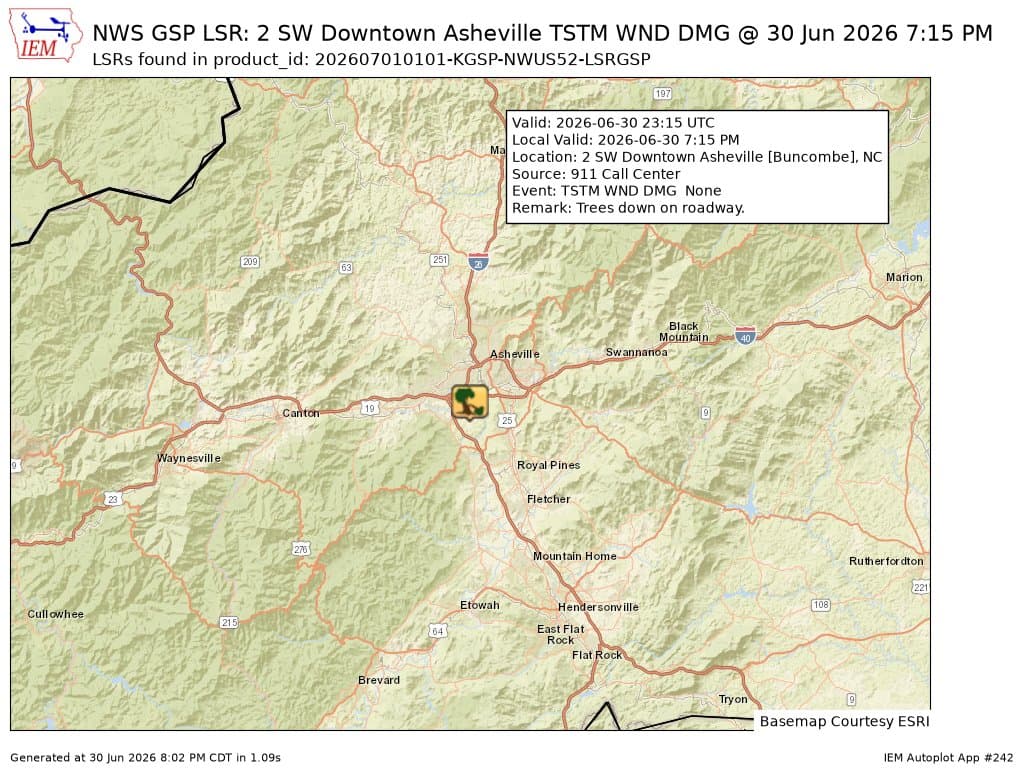
Hominy Valley is easiest to understand from the water first. Hominy Creek starts at the Haywood County line, winds through the valley, and meets the French Broad River at Hominy Creek River Park, the point where a place name locals use every day becomes a fixed spot on the map. That creek-centered geography ties Upper Hominy and Lower Hominy together, and it explains why the valley still feels like a single landscape even as Candler, Enka, and Jugtown have each given the area their own neighborhood identities.
A valley defined by a creek and two townships
Hominy Valley is the collective name for Upper Hominy Township and Lower Hominy Township, two administrative units that give the area its formal shape. The name does not point to one compact town center; it points to a stretch of west Buncombe built around a watershed, with Hominy Creek as the line that organizes movement, settlement, and memory.
That is why Hominy Creek River Park matters as more than a recreation site. Located at 220 Hominy Creek Road in Asheville, it sits where the creek joins the French Broad River and marks the valley’s downstream edge. Buncombe County counts it as one of its seven river parks, and the county says those parks offer grills, picnic tables, and access to the French Broad River. The City of Asheville’s French Broad River Greenway also connects to the park at one end and runs about four miles to the Emma Road and Craven Street area near New Belgium Brewing, giving visitors a concrete way to trace the river corridor that frames this part of the county.
What the name Hominy preserves
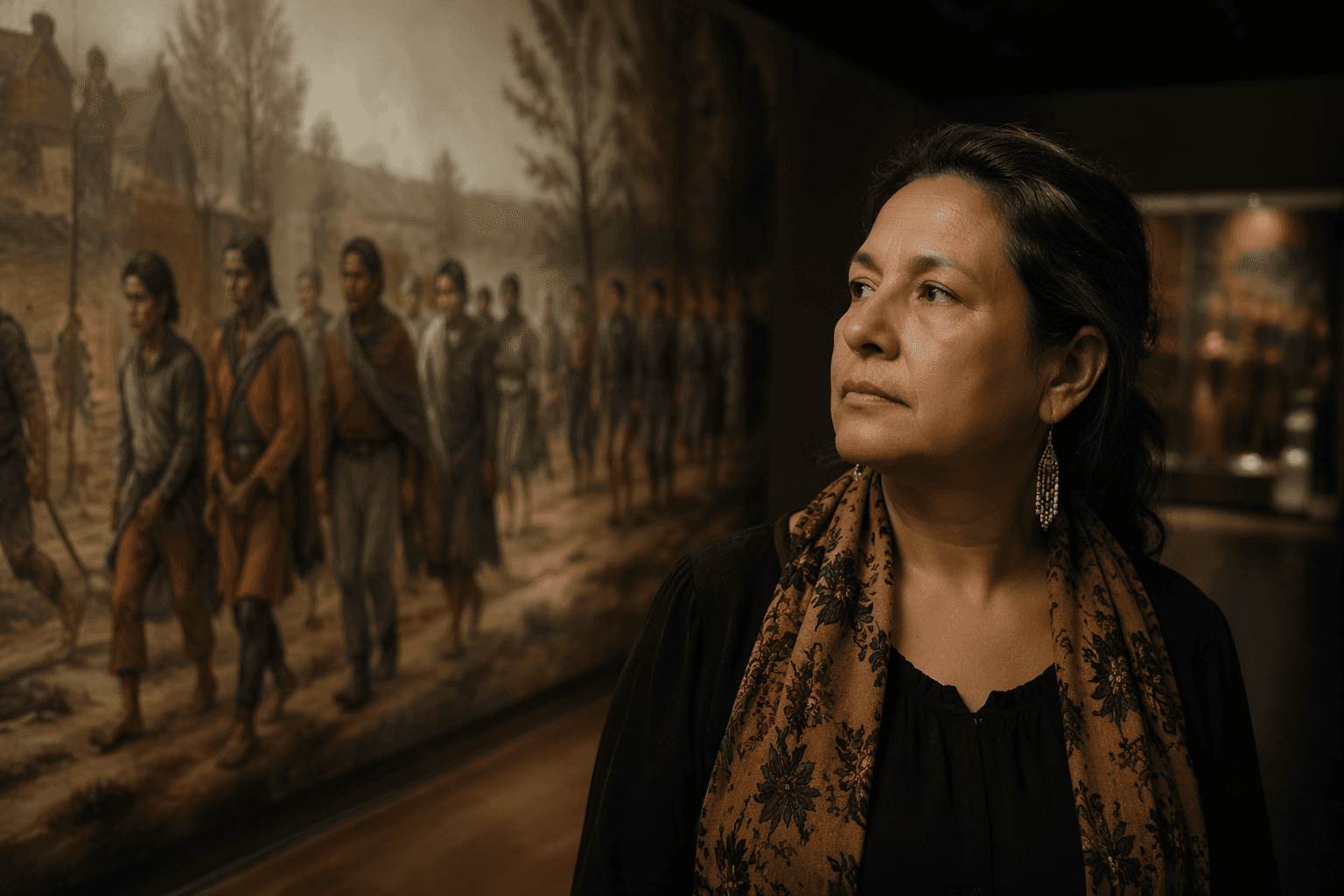
The origin of “Hominy” is not settled, but Buncombe County Special Collections says settlers appear to have adapted a Native word for dried corn. That detail matters because it keeps the valley’s name tied to agriculture, not just to later township lines or modern road signs. It also places the valley inside a much older Indigenous history that predates the county and its present-day communities.
The Cherokee farmed this area for hundreds of years before white settlers arrived in large numbers. The French Broad River was known to the Cherokee as Long Man, a reminder that the landscape already had Native names, uses, and relationships attached to it long before Buncombe County began assigning township labels and road networks. Buncombe County itself was formed in 1791 from Burke and Rutherford counties, which gives the township names a clear county-government context and helps explain why those older boundaries still show up in local language today.
The valley in the older travel network
Hominy Creek also appears in the region’s early movement patterns. Rutherford’s 1776 campaign followed Hominy Creek westward through the area, placing the creek in the path of one of the earliest documented Euro-American military movements through the mountains. That route history gives the valley a role in the broader story of how people crossed and understood western North Carolina before modern highways changed the map.
A later shift came with the Buncombe Turnpike, completed in 1827. The turnpike changed travel and trade in western North Carolina, and that transformation helps explain why west Buncombe communities eventually grew around more than farming. Hominy Valley began as township geography and agricultural land, but it became part of a wider transportation system that linked local households, markets, and roadside settlements to the rest of the mountain region.
How west Buncombe grew around the old boundaries
Candler, Enka, and Jugtown all sit within the broader Hominy Valley story, and those names show how the area accumulated layers instead of replacing one identity with another. The valley name still works as a geographic shorthand, but those communities give it everyday texture. A resident might say they live in Enka or Candler and still mean the Hominy Valley part of Buncombe County, because the old township framework continues to sit underneath the newer place names.
The biggest industrial change came in September 1928, when the American Enka plant was announced as a $10 million facility expected to bring thousands of jobs. That announcement mattered far beyond one factory site. It signaled a new era in which west Buncombe was no longer defined only by farmland, creek crossings, and township lines, but also by industrial development that reshaped land values, commerce, and the pattern of daily life around Enka and the rest of the valley.
How to picture Hominy Valley on the ground
The easiest mental map starts at the Haywood County line and follows Hominy Creek eastward through Upper Hominy and Lower Hominy until the water reaches the French Broad River. From there, Hominy Creek River Park and the French Broad River Greenway show how the valley connects to the larger river system that shapes Asheville’s west side. If you stand at the park, you are at the junction of creek, river, township history, and present-day recreation.
A practical visit also shows why the valley name persists. You can reach a county river park with daylight-hours access, grills, picnic tables, and direct river frontage, then step onto a greenway that stretches toward Emma Road and Craven Street near New Belgium Brewing. That route turns an old township name into something visible: a creek corridor, a park, and a river path that still organize how west Buncombe moves and remembers itself.
Hominy Valley survives because the geography never disappeared. The creek is still there, the river is still there, and the township names still point to the same stretch of land where Indigenous farming, early settlement, military passage, turnpike travel, and industrial growth all left their mark.
This article was produced by Prism’s automated news system from verified source data, official records, and press releases, then run through automated quality and moderation checks before publishing. The system is built and supervised by the people who set the standards it runs under. Read our full AI policy.
Did this article answer your question?