Neighborhood Groups Urge UNCA to Protect 45-Acre Wooded Campus Property
Five Points residents warn that UNCA's 45-acre forest absorbs 2.2 million gallons of stormwater yearly, but the committee deciding its fate meets in private.
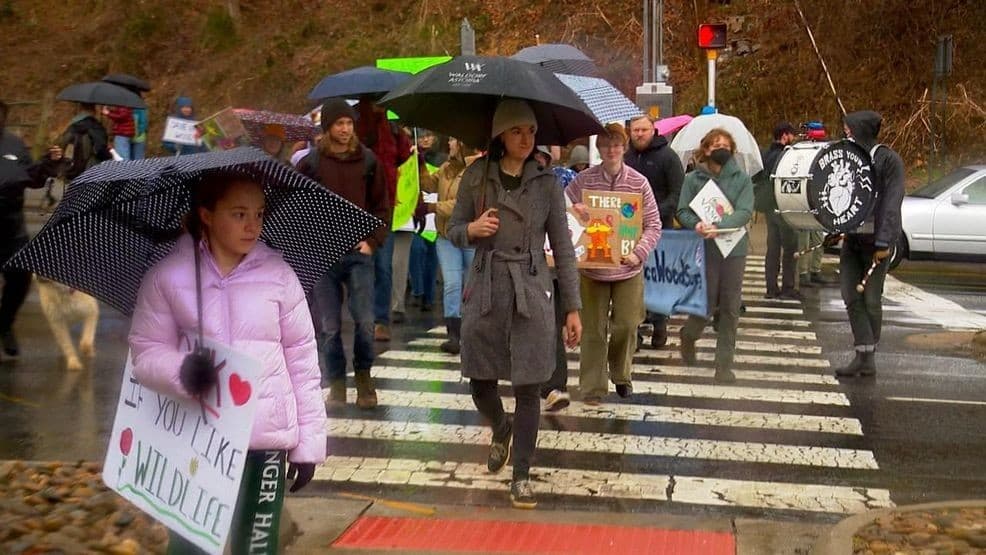
Excavation machinery rolled onto UNC Asheville's campus without advance notice on January 13, 2025, destroying ecological research plots and sparking what became the Save the Woods movement. Fifteen months later, the Coalition of Asheville Neighborhoods and the Five Points Neighborhood Association are keeping that pressure alive with an April 4 letter in Mountain Xpress, urging city and university officials to stop irreversible development on the 45-acre Millennial Campus property until a full, transparent public process is completed.
The forest at stake holds roughly 20,000 trees that absorb an estimated 2.2 million gallons of stormwater annually before it reaches the French Broad River. After Hurricane Helene damaged or destroyed approximately 40% of Buncombe County's trees last September, advocates argue the UNCA woods now rank among the most significant intact urban forests remaining in Asheville. A 2019 Asheville GreenWorks study had already documented that the city lost 891 acres of tree canopy in the prior decade, before Helene compounded those losses.
"This would destroy our neighborhood and our way of life, full stop, no question," said Chris Cotteta, president of the Five Points Neighborhood Association. "People will leave. Property values will fall."
The contested land became a flashpoint in June 2025 when UNCA unveiled a $250 million development plan: a 5,000-seat soccer stadium for Asheville City SC, market-rate apartments, parking, and retail. The UNC Board of Governors approved a 99-year lease to a private developer in July. That developer had registered to do business in North Carolina on November 27, 2024, months before the university acknowledged any plans publicly. UNCA paused the stadium proposal in August 2025 after widespread backlash, then unveiled a 14-member Millennial Campus Development Advisory Committee in January 2026 with no Save the Woods or neighborhood association representatives and meetings closed to the public.
Buncombe County Commission Chairperson Amanda Edwards called out the process directly. "I am concerned about transparency," she said. "I think, for the residents in the neighborhood surrounding the university, that was one of their biggest frustrations and complaints. The lack of information, the lack of understanding, and the lack of transparency."
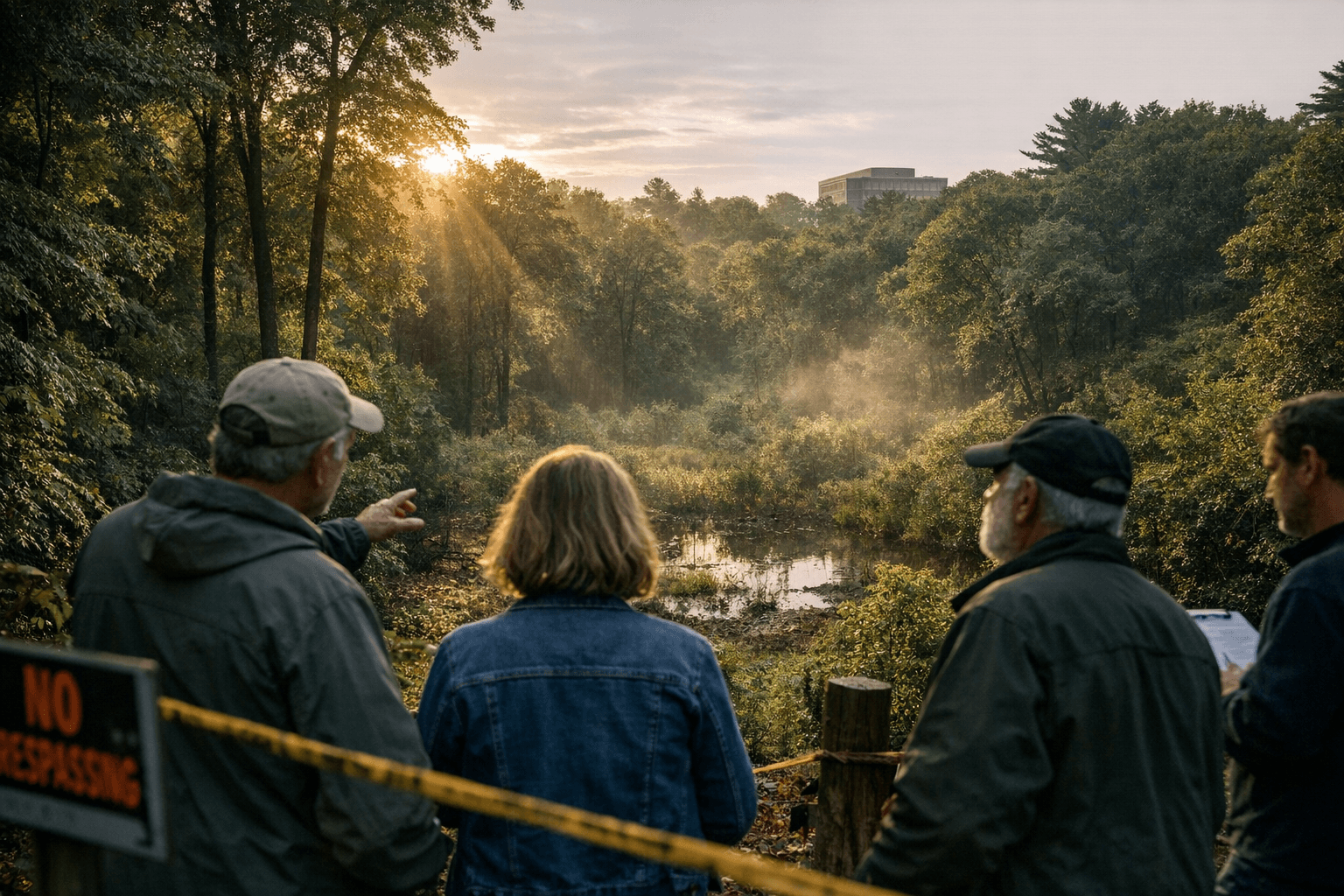
Save the Woods member Callie Warner, whose coalition has grown past 3,000 Facebook members, said UNCA's choices could be "very detrimental to the health of the relationship between the university and Asheville and very detrimental environmentally." Asheville GreenWorks and MountainTrue have both voiced strong opposition, with GreenWorks warning against "the destruction of this unique forest remnant."
UNCA's financial pressure is real: a $6 million deficit for fiscal year 2024, a 25% enrollment decline of more than 900 students (the steepest drop across the UNC system's 16 campuses), and $11.1 million in combined tuition and state funding losses since 2019. State budget language has reportedly exempted Millennial Campus development in Buncombe County from normal local oversight, a provision critics call a Raleigh power grab over Western North Carolina.
CAN and Five Points advocates are pushing UNCA to develop two cleared sites it already controls, the former Health Adventure property and the Broadway site, rather than felling mature forest. They are calling for a full environmental impact analysis, open hearings with adequate public notice, and real inclusion of neighborhood and environmental voices before the advisory committee delivers recommendations to Chancellor Kimberly van Noort's administration in May 2026. UNCA is posting updates on the process through its Millennial Campus development webpage.
This article was produced by Prism’s automated news system from verified source data, official records, and press releases, then run through automated quality and moderation checks before publishing. The system is built and supervised by the people who set the standards it runs under. Read our full AI policy.
Did this article answer your question?