Nonprofits spent storm donations, but Helene recovery needs remain high
MANNA FoodBank’s donations surged to nearly $94 million as Helene drove $222.7 million to six nonprofits, but recovery work is still stretching into years.
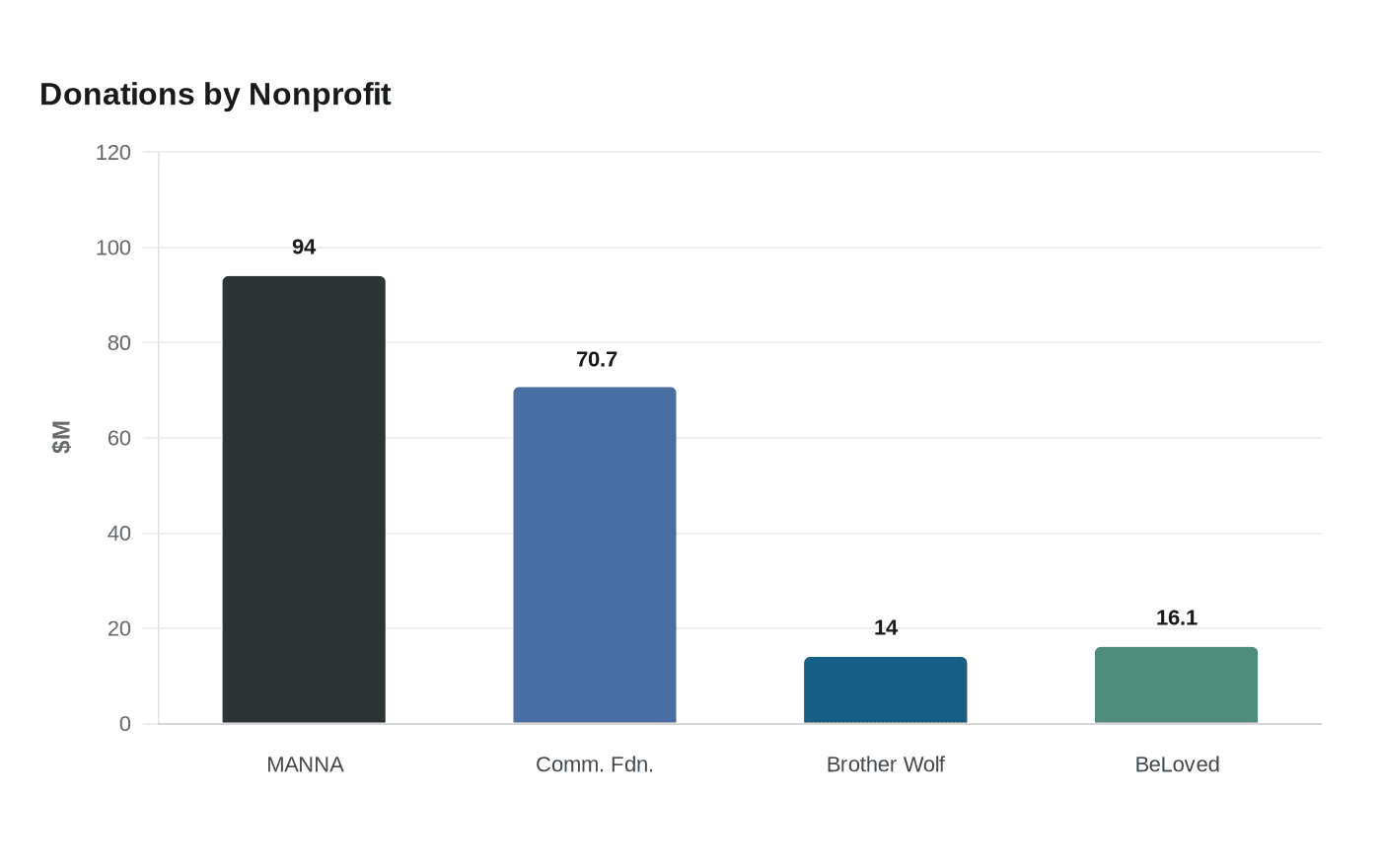
Contributions to six major Western North Carolina nonprofits jumped to $222.7 million in the fiscal year Helene hit, up from $66.8 million the year before, but the storm money was never meant to sit still. It went quickly into emergency food and water, housing repair, rebuilding and the repair of nonprofit facilities that were damaged in the same storm they were trying to answer.
MANNA FoodBank saw the biggest jump in raw dollars. Contributions rose to nearly $94 million in fiscal 2025 from $38.3 million the year before, while the Community Foundation of Western North Carolina climbed to $70.7 million from $14.4 million. Brother Wolf Animal Rescue rose to $14 million from $2.4 million, and BeLoved Asheville increased to $16.1 million from $1.8 million. Asheville Area Habitat for Humanity and United Way of Asheville and Buncombe County were also part of the six-organization total.
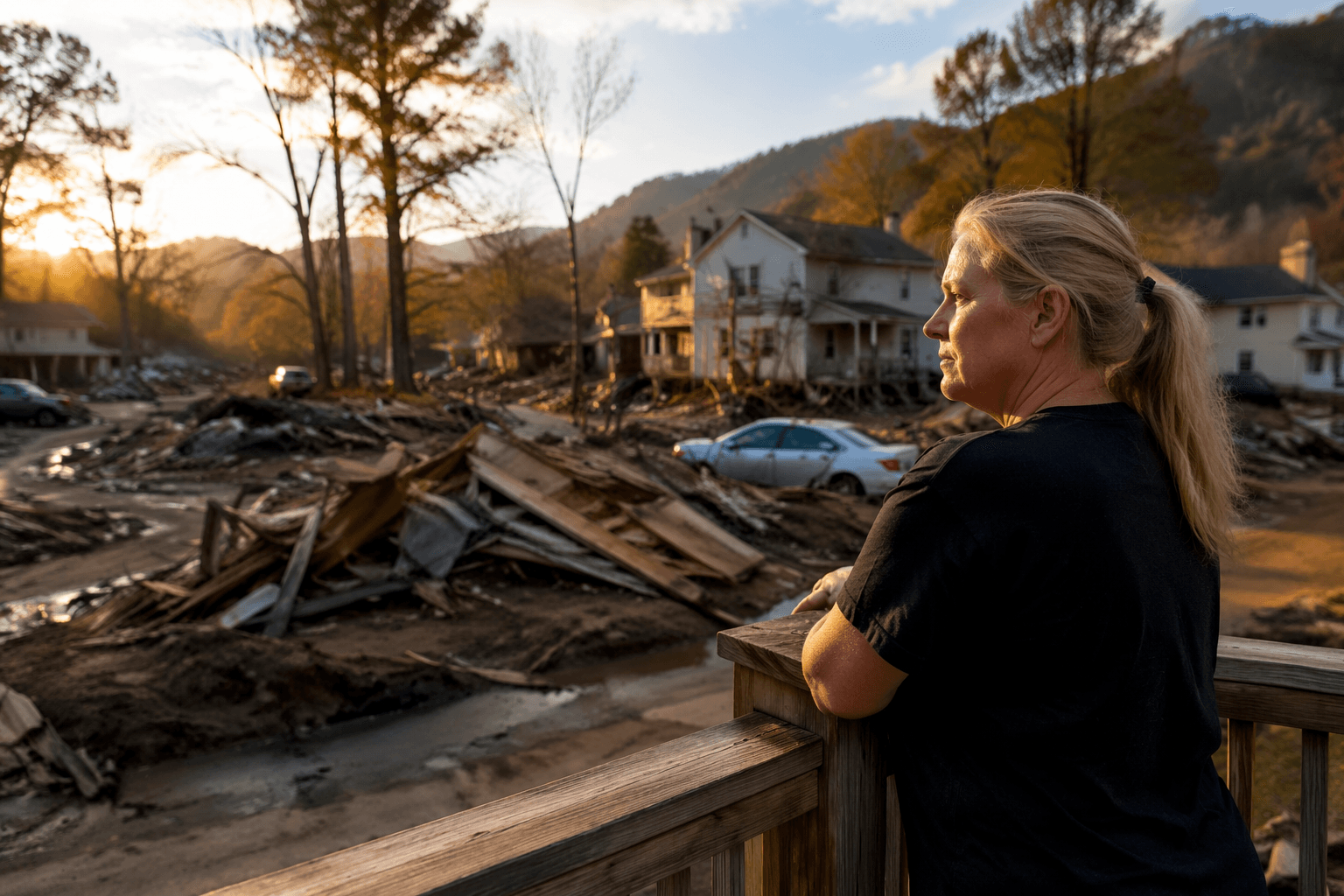
That surge followed Tropical Storm Helene’s strike on Sept. 27, 2024, when the region’s nonprofit infrastructure was hit as hard as the people it serves. MANNA’s two warehouse and operations buildings on Swannanoa River Road were destroyed. Asheville Habitat’s ReStore and administrative office were severely damaged, and the organization later reopened its Asheville ReStore on Jan. 28, 2025.
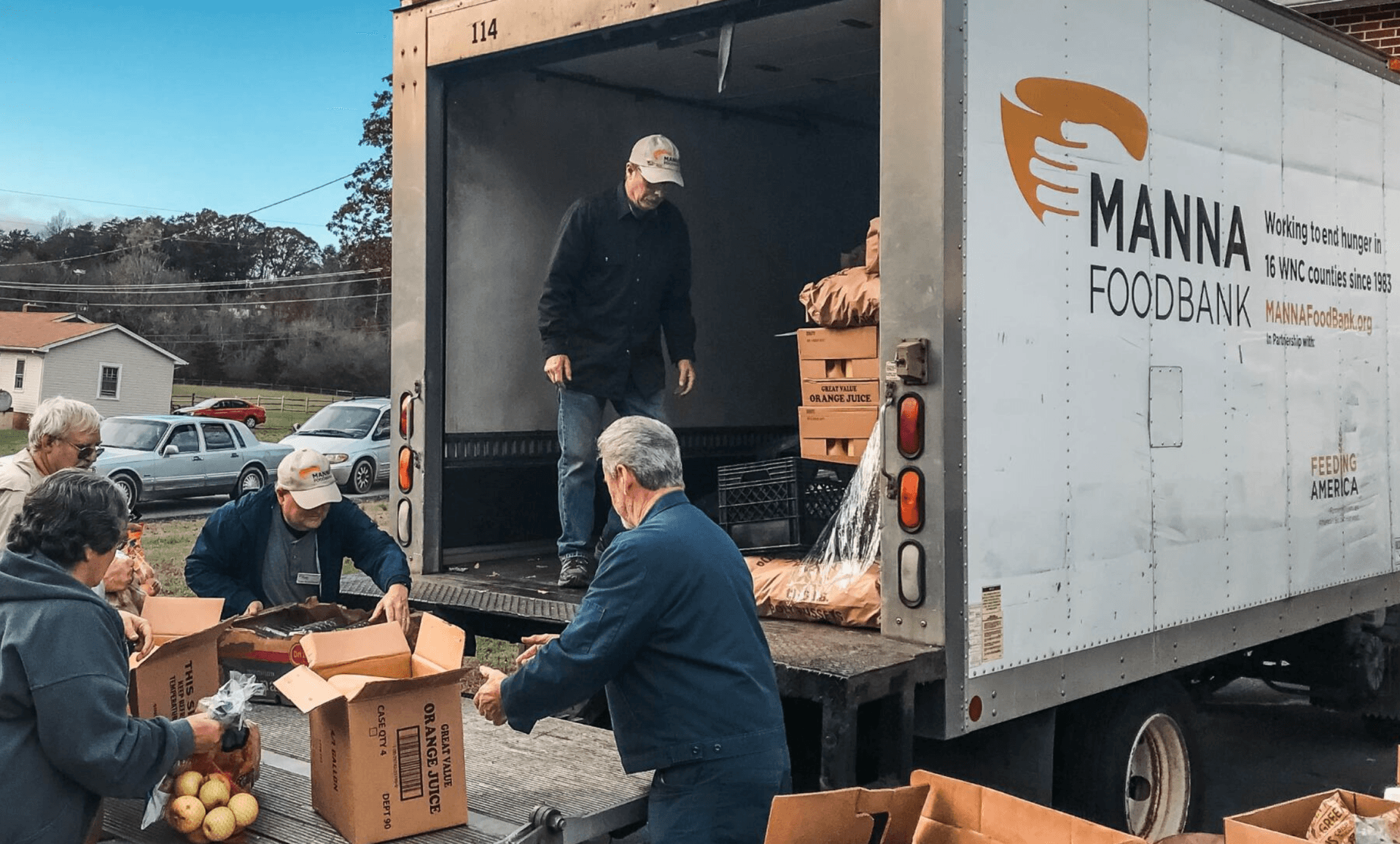
MANNA’s fiscal 2024-2025 annual report shows how intense the demand became. The food bank distributed 23,021,359 pounds of food and provided 19,184,465 meals. It also logged an average of 191,320 monthly neighbor visits, the highest sustained need in its history. Habitat said nearly 100,000 homes were damaged by Helene, a figure that helps explain why repair and rebuilding work has remained so large across Buncombe County and surrounding communities.

The money that flowed into the region also helped build a longer recovery network. On Dec. 23, 2024, the state directed $15.5 million in NC Disaster Relief Fund donations to the North Carolina Community Foundation for Helene long-term recovery and unmet needs. That funding sits alongside at least $205 million that had already been raised or made available through disaster relief funds, benefit concerts and fundraisers.
Even as the work continues, the giving pattern has changed. Leaders have said donations have drifted back toward pre-storm levels, leaving nonprofits to carry out years of recovery with less of the extraordinary attention that arrived in Helene’s wake. The result is a transition from storm-driven, or “episodic giving,” to a more ordinary fundraising environment while the need in Asheville, Buncombe County and across Western North Carolina remains elevated.
This article was produced by Prism’s automated news system from verified source data, official records, and press releases, then run through automated quality and moderation checks before publishing. The system is built and supervised by the people who set the standards it runs under. Read our full AI policy.
Did this article answer your question?