North Carolina bill would shield students from immigration enforcement at schools
Buncombe County schools could face new notice and consent rules if Raleigh limits immigration access on campus. The biggest local change may be formalizing what parents already expect.
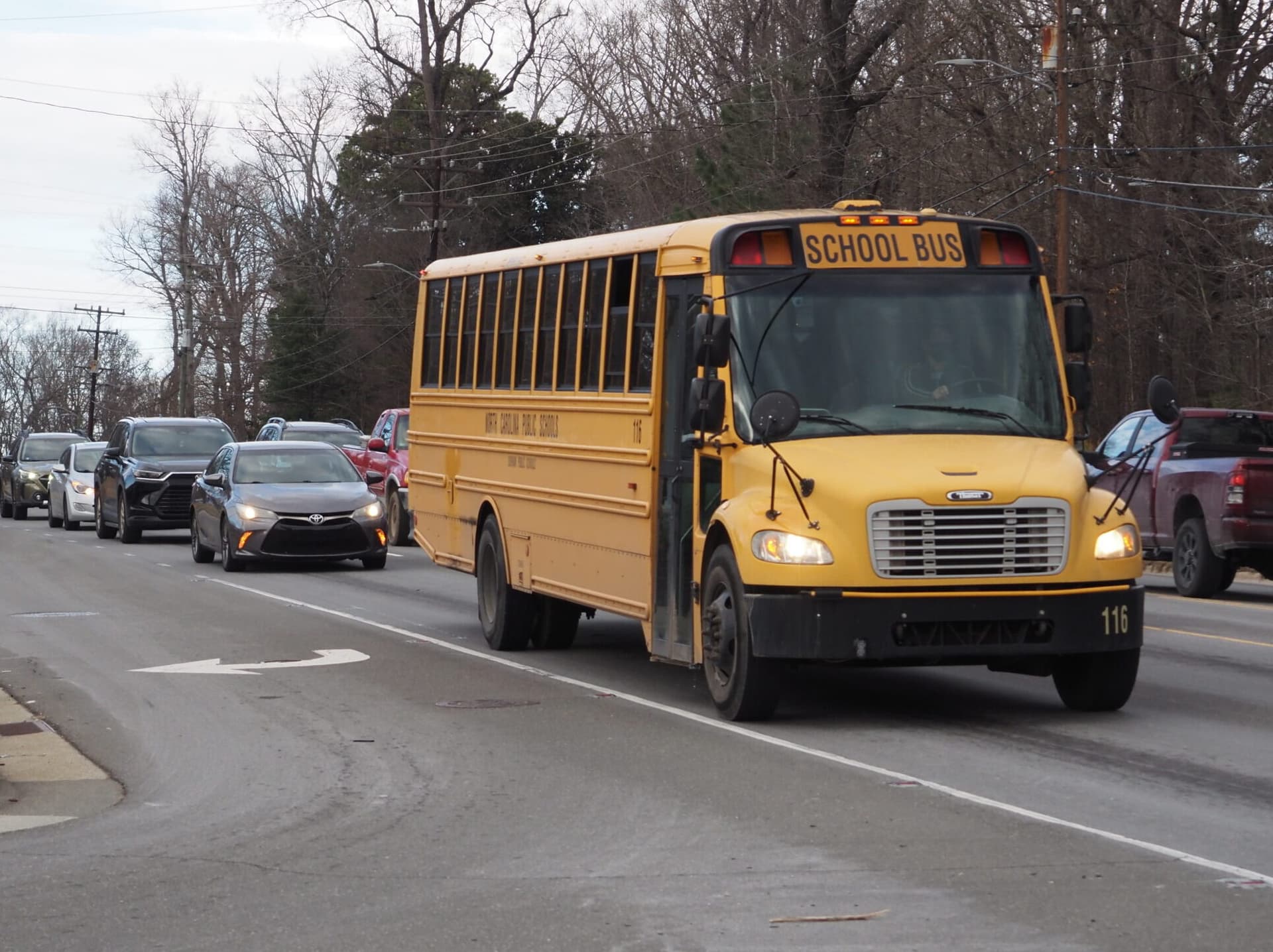
Buncombe County schools, where about 3,000 students are English learners and more than 70 home languages are spoken, could be pulled directly into Raleigh’s latest fight over immigration enforcement on campus. House Bill 1061 would force school systems to spell out how they deal with immigration agents, tell parents before sharing student information and block enforcement actions on school grounds unless a judge, court order or other law requires it.
For Asheville-area families, the practical question is not just whether agents can enter a campus. It is whether school leaders would have to give families written notice, get parental permission before turning over information and stop any disclosure of personally identifiable student records without legal compulsion. In a district where Spanish is the home language for most English learners and the student body is about 21.2% Hispanic/Latino, those details matter in everyday school contact, from enrollment paperwork to office visits and parent meetings.
The bill’s sponsor, Rep. Julia Greenfield, D-Mecklenburg, tied the proposal to Plyler v. Doe, the 1982 U.S. Supreme Court ruling that barred states from denying public education based on immigration status. Greenfield said there is no uniform statewide guidance for how school systems should handle federal immigration agents and said November enforcement operations, including “Operation Charlotte’s Web,” caused tens of thousands of students to miss class and led to more than 1,300 arrests in North Carolina.
Some of the bill’s core protections already echo existing state guidance and local precedent. North Carolina Department of Public Instruction guidance says schools are supposed to remove barriers to enrollment and are prohibited from disclosing the immigration status of students and families. In Buncombe County, Sheriff Quentin Miller said in February 2025 that ICE was not allowed on school campuses without a court order, a statement that already drew a bright line around campus access.
A companion Senate bill, S.B. 820, the Safe Schools and Educational Access Act, was filed April 22 by Sens. Theodros and Murdock and used similar language while also seeking more funding for students with limited English proficiency. It said fear of immigration enforcement in or near schools can deter attendance and undermine the educational mission, a concern that has already fueled student walkouts and community anxiety in Western North Carolina.
In Buncombe County, the debate is likely to hinge on whether lawmakers are responding to a documented local breakdown in school protections or mainly trying to reassure families who already fear that a knock at the school door could disrupt learning.
This article was produced by Prism’s automated news system from verified source data, official records, and press releases, then run through automated quality and moderation checks before publishing. The system is built and supervised by the people who set the standards it runs under. Read our full AI policy.
Did this article answer your question?