Prather opposes power bill law, backs repeal amid clean energy debate
Prather backs repeal of the state power bill while Woodfin gets $284,000 for riverbank and stormwater work after Helene.

Buncombe County residents are hearing Rep. Lindsey Prather tie environmental policy to three concrete concerns: power bills, river recovery and clean drinking water. The House District 115 Democrat, whose district includes Weaverville and parts of north and west Buncombe, has made clear that she wants state action to show up in household costs and in stormwater projects on the ground.
Prather opposes the Power Bill Reduction Act, Senate Bill 266, and supports efforts to repeal it. The law took effect in July 2025 after lawmakers overrode Gov. Josh Stein’s veto, and it stripped out Duke Energy’s interim 2030 carbon-reduction target. An Environmental Defense Fund analysis cited by WUNC estimated that one part of the law would shift $87 million in annual purchased-power payments from commercial and industrial customers to residential customers. EQ Research estimated the fuel-rider portion now costs residential customers about $458 million a year.
That makes the power debate more than a Raleigh fight for Buncombe families watching monthly bills. Prather is casting the issue as a question of who pays, and whether Duke Energy or ratepayers get the better end of the deal as North Carolina rewrites its clean power rules.
On water, Prather pointed to bipartisan PFAS legislation and argued the state should move faster to protect drinking water from the chemicals. House Bill 569, the PFAS Pollution and Polluter Liability Act, passed the N.C. House 104-3 on May 7, 2025. House Bill 570 would bar PFAS-containing Class B firefighting foam from training or practice discharges. A state bill summary says North Carolina directed the UNC Chapel Hill Collaboratory in 2019 to inventory AFFF foam stored by fire departments and create a disposal process, showing how long the state has been working to move away from the foam.
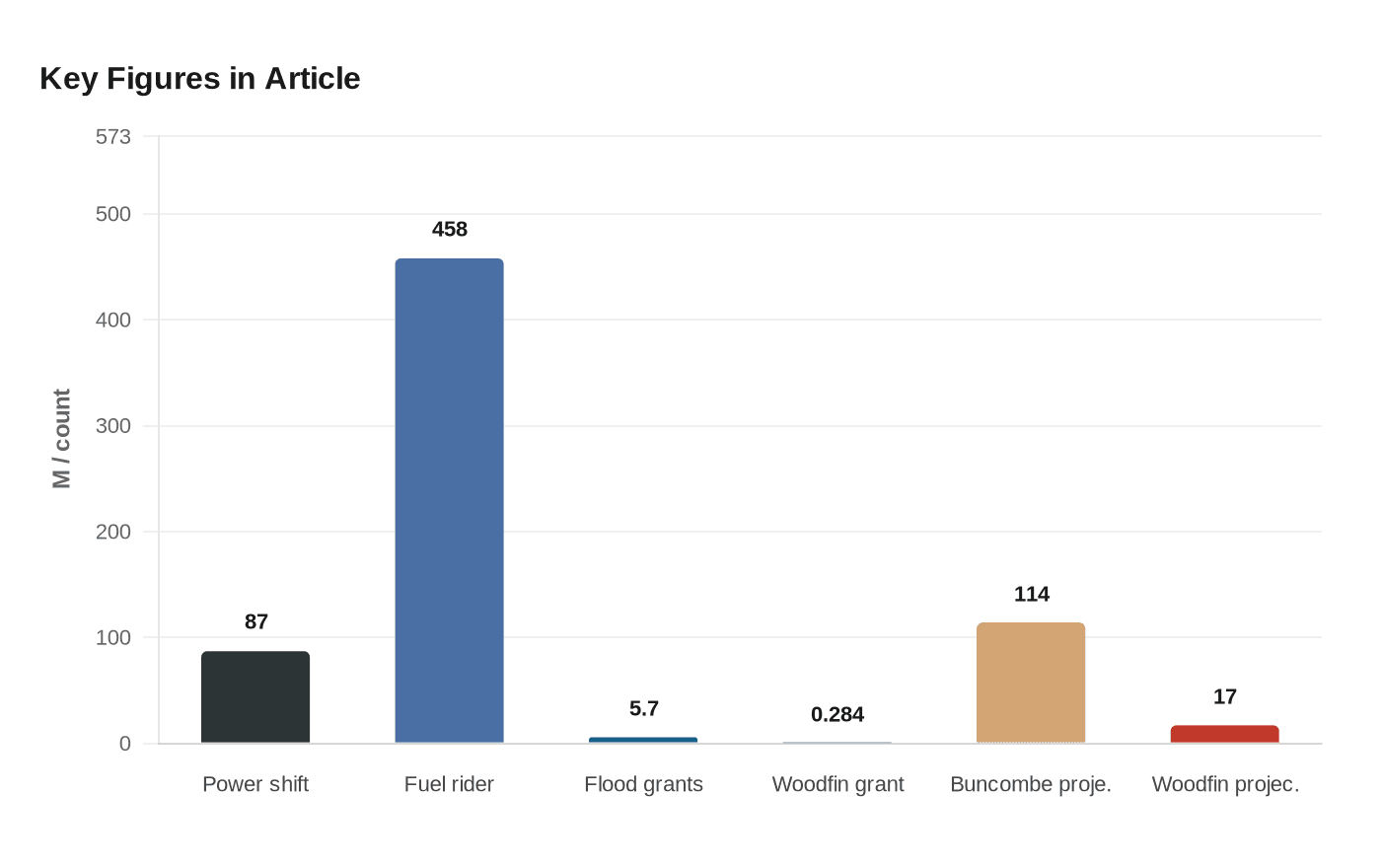
The most local payoff for Buncombe so far has been in Woodfin. On Feb. 16, 2026, Stein announced $5.7 million in Flood Resiliency Blueprint grants for eight projects in the French Broad River Basin, including $284,000 for Woodfin Riverside Park Flood Mitigation and Stormwater Improvements. The work is framed as riverbank stabilization and stormwater infrastructure, exactly the kind of repair that matters after Helene. Woodfin’s hurricane recovery materials say Buncombe County’s Envision Buncombe plan includes 114 projects, with 17 in Woodfin alone.
For Prather, the thread connecting all of it is simple: cleaner power, cleaner water and a county that can rebuild without waiting for the next storm to expose the same weaknesses again.
This article was produced by Prism’s automated news system from verified source data, official records, and press releases, then run through automated quality and moderation checks before publishing. The system is built and supervised by the people who set the standards it runs under. Read our full AI policy.
Did this article answer your question?