Rivercane planting in Fairview aims to restore streams, Cherokee heritage
Along Cane Creek in Fairview, rivercane is being replanted as a flood-fighting streambank stabilizer and a living Cherokee cultural resource.
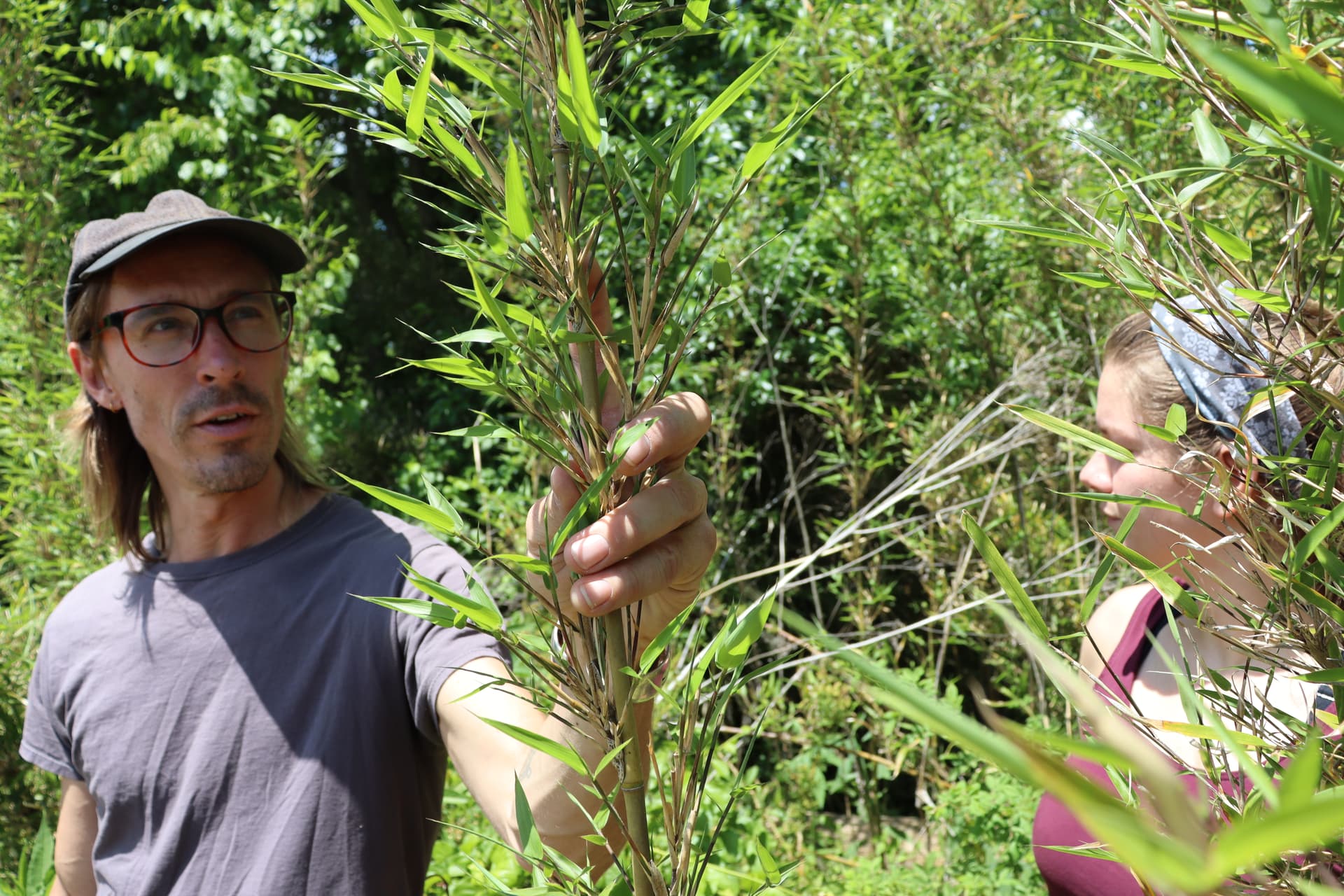
A six-person crew knelt along Cane Creek in Fairview, easing small rivercane plants into about a foot of soil and into a bigger fight for Buncombe County’s streams. What looks at first like a simple planting is doing triple duty: repairing banks, building flood resilience, and bringing back a plant that has long mattered to Cherokee life.
Why the Cane Creek planting stands out
The scene in Fairview is easy to picture because it is practical, not symbolic. Buckets and plastic tubs of young cane were unloaded near the end of the annual planting season, and the work was organized with help from the North Carolina Department of Agriculture and people involved in Cherokee cultural and environmental restoration. Adam Griffith of the Eastern Band of Cherokee Indian Cooperative Extension helped plant the cane, making clear that this is not a decorative experiment. It is land care with a purpose.
Rivercane is native bamboo-like cane with deep roots in the Southeast’s streams and in Cherokee tradition. It was once common enough to form broad canebrakes, but development and agriculture pushed it back drastically across the region. The U.S. Fish & Wildlife Service says only about 2 percent of historic canebrakes remain, and the N.C. Cooperative Extension says rivercane has been reduced by 98 percent compared with pre-European contact levels. That scarcity is part of what makes every planting in western North Carolina matter.
What rivercane does for streams and flood resilience
The environmental case for rivercane is straightforward and strong. Extension guidance says the plant keeps streambanks in place during floods, filters excess nutrients, and provides habitat for animals both above and below ground. In a county still measuring the damage and lessons of Hurricane Helene, that makes rivercane more than a restoration novelty. It is one more tool for stabilizing the places where floodwater does the most damage.
Helene made landfall in Florida on September 27, 2024 as a Category 4 hurricane and drove catastrophic inland flooding across the southern Appalachians. For western North Carolina, the storm sharpened the value of anything that can hold soil together when streams rise fast. The Eastern Band of Cherokee Indian Cooperative Extension says anecdotal evidence from the 2004 hurricane season, along with observations after Helene, showed that riparian corridors with rivercane experienced dramatically reduced erosion and bed scour.
One of the clearest local examples is the Davidson River. Extension material says a patch of rivercane there helped stabilize the bank during Helene, a reminder that restoration can have immediate payoff when storms hit. The plant’s structure, with dense stems and roots, is part of why it works. Some canebrake stands in North Carolina have 5 to 20 stems per square meter, enough density to slow water and catch sediment before it moves downstream.
Why Cherokee cultural stewardship is central
Rivercane is not only an ecological species. It is a cultural material with long use in baskets, mats, and building materials. Adam Griffith’s presence at the planting reflects that dual role, and the broader Cherokee restoration effort makes the same point: saving rivercane is also about preserving knowledge.
The Eastern Band of Cherokee Indians created the Revitalization of Traditional Cherokee Artisan Resources program, known as RTCAR, to promote artisanship and traditional care for natural resources. That effort fits into a wider tribal-federal network called the Rivercane Restoration Alliance, which focuses on restoration, education, and resources. Federal material says the collaboration includes Cherokee artisans, conservation groups, researchers, nonprofits, and government entities, because the work is too large for any one group to carry alone.

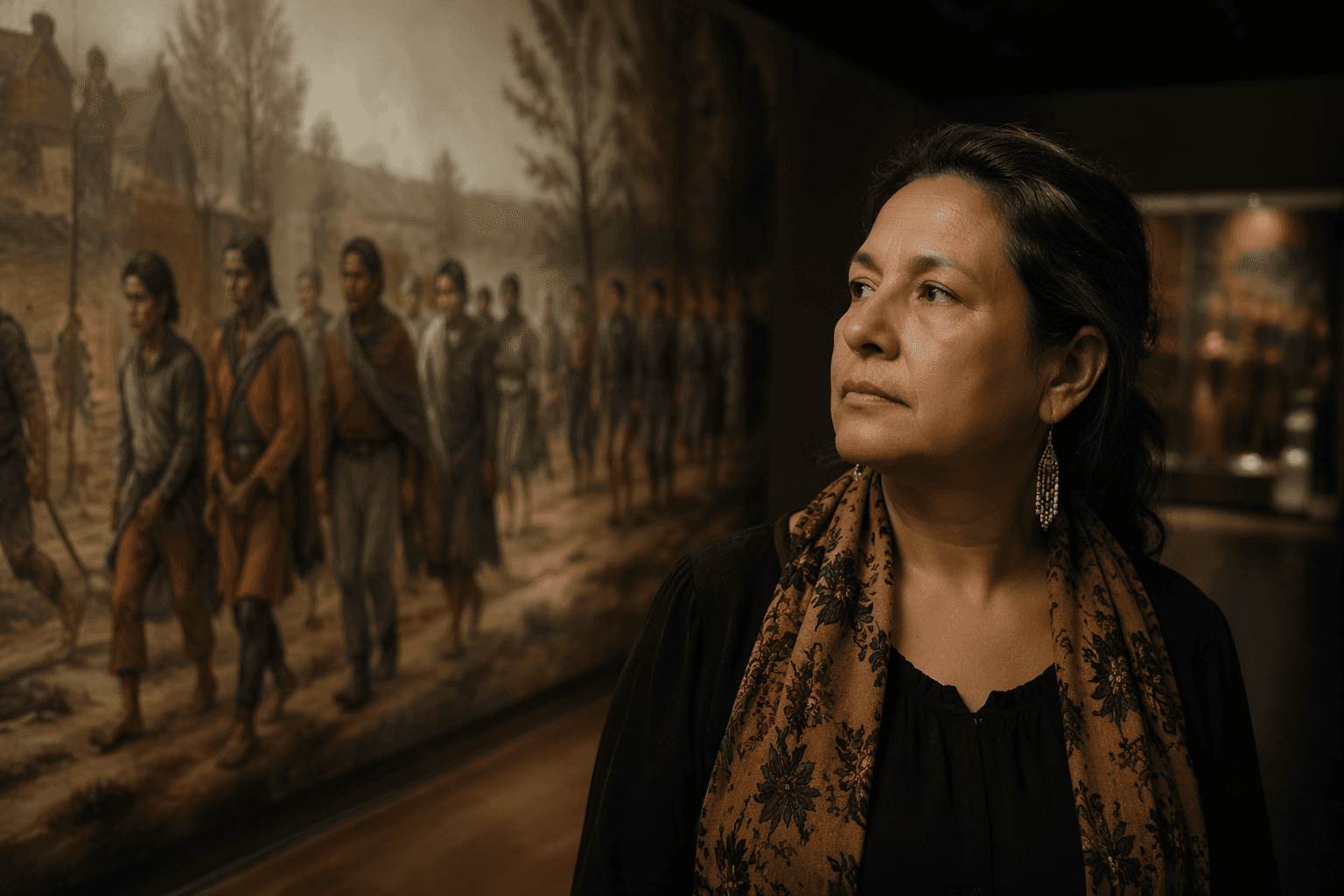
Scarcity has already changed the art. Conserving Carolina reports that Cherokee rivercane baskets have become smaller in recent years because the material is so hard to find, and some artisans have adapted by making smaller baskets to conserve what they can get. That change is easy to overlook if you only see the plant as a streamside grass. In Cherokee communities, it is also a living supply line for form, skill, and continuity.
How the restoration network is spreading
Fairview is part of a much wider map of rivercane work. RiverLink has been involved in rivercane restoration in Asheville, and similar efforts are underway in Yancey County and the Chattooga River watershed. Those projects matter because they show rivercane is not being treated as a single-site planting, but as a connected restoration strategy across western North Carolina and beyond.
The U.S. Fish & Wildlife Service says many canebrakes were cleared for agriculture, construction, or aesthetics, and that landowners often need help maintaining new and existing stands. That is why the network around rivercane matters as much as the plant itself. Restoration requires propagation, planting, maintenance, and long-term stewardship, not just one-day volunteer effort.
There is also a research case building behind the fieldwork. Extension material cites a study in which a 21-foot rivercane buffer reduced sediment by 100 percent, compared with 76 percent for a forest buffer of the same width. That kind of result helps explain why rivercane is being discussed not just in cultural terms, but as a serious tool for stream restoration and climate adaptation.
What residents can watch for now
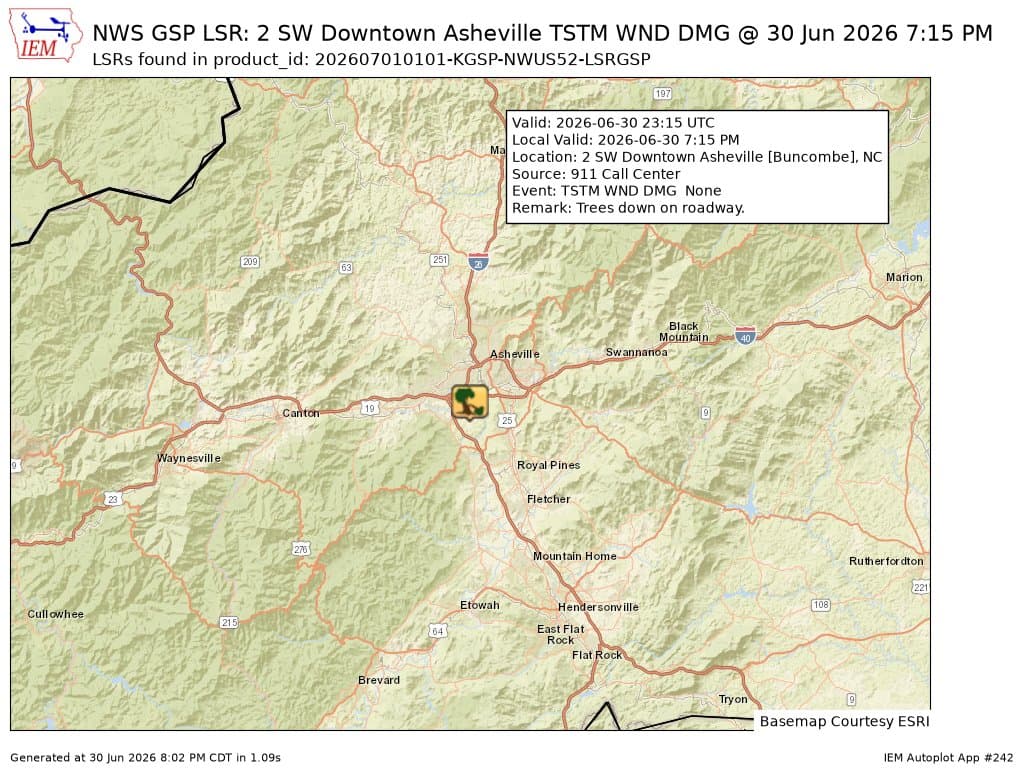
For Buncombe County residents, the most tangible places to see rivercane’s return are the Cane Creek planting in Fairview, the Davidson River bank where it helped during Helene, and other regional restoration sites connected to RiverLink and the Rivercane Restoration Alliance. These are not abstract conservation ideas. They are physical stands of cane being pushed back into river corridors where they can hold soil, slow water, and restore a native plant that once shaped both landscapes and livelihoods.
Qualla Arts and Crafts Mutual, formed in 1946, remains the nation’s oldest Native American cooperative and continues to showcase rivercane basketry. That link matters because it shows how a plant removed from the landscape may help solve today’s climate and land-management problems while also sustaining Cherokee cultural stewardship.
In Buncombe County, rivercane’s comeback is being measured stem by stem. It is a local repair project, but its meaning reaches far beyond one streambank in Fairview.
This article was produced by Prism’s automated news system from verified source data, official records, and press releases, then run through automated quality and moderation checks before publishing. The system is built and supervised by the people who set the standards it runs under. Read our full AI policy.
Did this article answer your question?