Six black bears euthanized after home break-ins in Buncombe County
Six black bears, including two cubs, were euthanized after break-ins in Haw Creek and Black Mountain, a grim sign of how food near homes can turn deadly.
Wildlife officials euthanized six black bears, including two cubs, after separate home break-ins in Haw Creek and Black Mountain, turning a familiar Buncombe County nuisance into a lethal outcome. North Carolina Wildlife Resources Commission officials said the bears were not acting randomly. They had been drawn into neighborhoods by human food sources, then learned that homes, trash and other attractants could deliver an easy meal.
That pattern matters because once a bear loses its fear of people, the behavior can escalate fast. NC Wildlife says bears that feed on unnatural food sources around homes may become bolder and return repeatedly, and cubs that learn to rely on human food can keep approaching people as adults. In other words, the problem is not just a single break-in. It is a learned habit that can spread from one animal to the next generation.

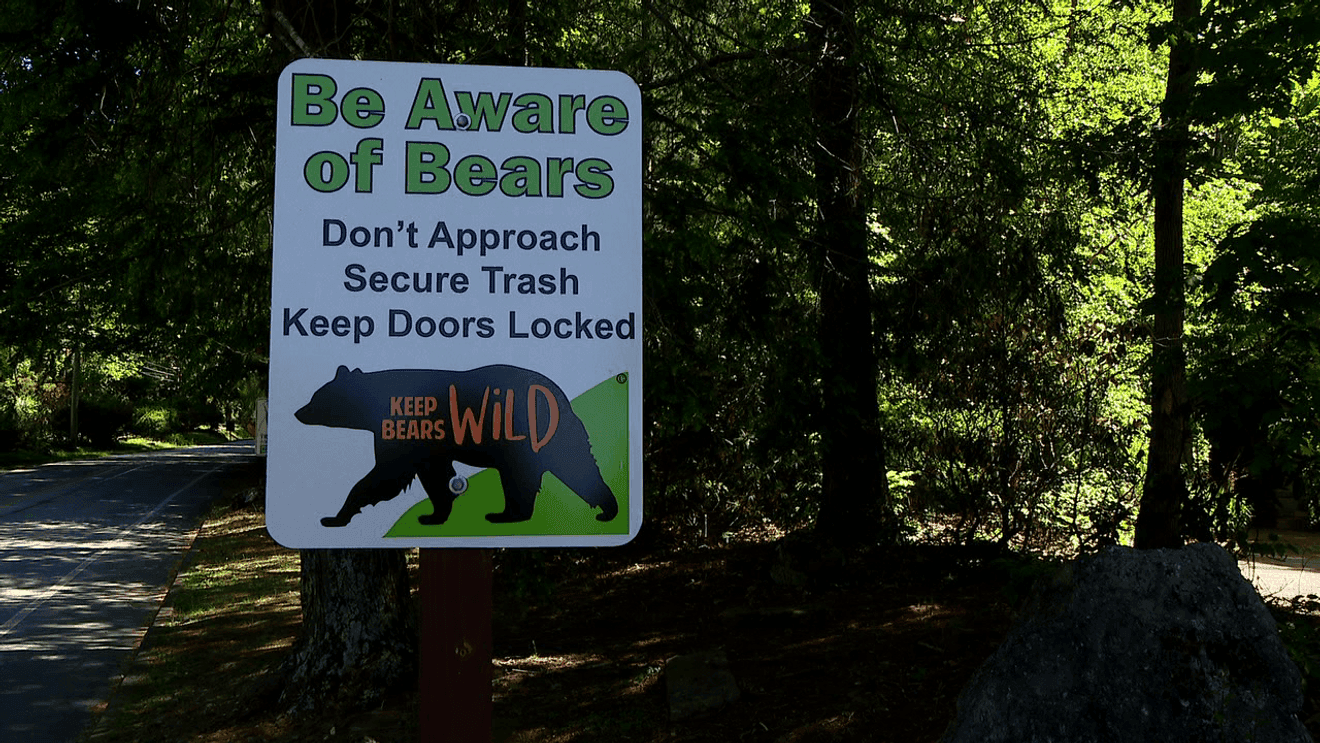
The agency and BearWise point to the same prevention steps that should have been in place before the encounters began: secure food, garbage and recycling; remove bird feeders when bears are active; never leave pet food outdoors; and clean and store grills and smokers. NC Wildlife also says Asheville and Buncombe County have ordinances restricting the feeding of wildlife, a reminder that the responsibility is not only personal but local and legal. The agency has warned that damaged homes, trash, unattended donation drop-offs and rotting food left after Hurricane Helene created even more opportunities for bears to find food in Asheville and Buncombe County.
That warning lands especially hard in neighborhoods along the wildland edge, where Haw Creek and Black Mountain sit close to wooded bear habitat and where people often live side by side with wildlife. NC Wildlife says black bears are found in about 60% of North Carolina’s land area, and the agency describes the animal’s comeback in the state as one of wildlife management’s greatest achievements. But that success depends on keeping bears wild. When residents feed them intentionally or accidentally, even through unsecured trash or a bird feeder left out too long, the result can be a dead bear instead of a managed conflict.

The spring months add urgency. NC Wildlife says black bears become more active in spring, and officials have been warning that bear activity is increasing across North Carolina. Buncombe County has seen the consequences before: on August 17, 2024, NC Wildlife euthanized four bears, including two cubs, after break-ins in Swannanoa. The message now is plain. Secure every food source around the house, report repeated bear activity early, and make sure the next neighborhood encounter does not end the same way.
This article was produced by Prism’s automated news system from verified source data, official records, and press releases, then run through automated quality and moderation checks before publishing. The system is built and supervised by the people who set the standards it runs under. Read our full AI policy.
Did this article answer your question?