Thomas Wolfe Memorial in Asheville draws readers and history fans
Thomas Wolfe’s boardinghouse still anchors downtown Asheville, linking a landmark novel to the city’s streets, tours, and civic memory.

Down on North Market Street, the Thomas Wolfe Memorial turns a single Asheville boardinghouse into a working piece of civic memory. The preserved home where Julia Wolfe housed boarders for decades still draws readers, tourists, and local-history fans because it is both a landmark of American literature and a window into how downtown Asheville grew up around tourism, boardinghouses, and preservation.
A literary landmark in the middle of downtown
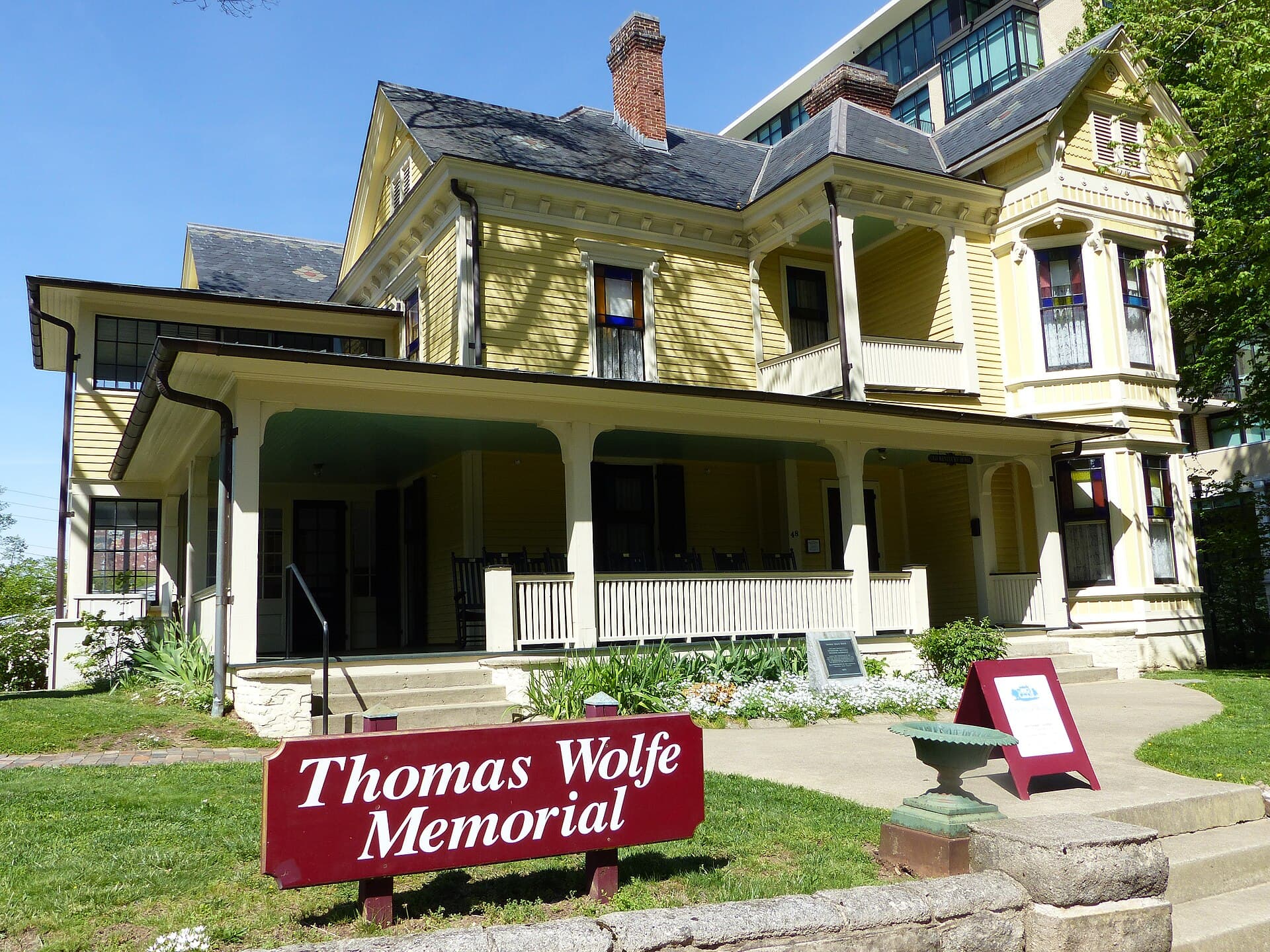
The memorial stands at 52 N. Market St. in Asheville, right where downtown foot traffic meets the city’s older residential and commercial history. The house is the real “Old Kentucky Home” that Thomas Wolfe transformed into “Dixieland” in *Look Homeward, Angel*, the 1929 novel that has never gone out of print. That link keeps the site relevant far beyond a standard historic house stop: people come because they know the book, because they want the Asheville story behind the book, or because they are tracing the city’s literary identity through a place that still exists in the urban core.
The house also matters because it preserves the domestic and social world that shaped Wolfe’s early writing. Julia Wolfe operated the boardinghouse for decades starting in 1906, and the memorial keeps that layered history visible instead of flattening it into a generic author exhibit. In Buncombe County, where preservation often has to compete with redevelopment and tourism pressure, that kind of continuity gives residents a tangible way to see how one family home became part of Asheville’s public identity.
What is inside the memorial
The main house is a 29-room Victorian structure that first opened as a memorial on July 19, 1949. It was originally built in 1883 as a seven-room Queen Anne-influenced home by Asheville banker Erwin E. Sluder, then expanded by the early 1890s and enlarged again in 1916, when Wolfe’s mother added 11 more rooms and indoor plumbing. Today, the house is interpreted as it looked around 1916, and more than 85% of the furnishings and artifacts remain original to the site.
That level of preservation gives the memorial a different feel from a room-by-room author shrine. Visitors move through a house that still shows how a boardinghouse functioned, how Asheville households adapted as the city changed, and how a literary family lived inside that change. The memorial’s status as a National Historic Landmark, designated in 1971, reflects that broader value: it is not only about Thomas Wolfe, but also about a specific Asheville streetscape, a specific era, and a specific kind of urban growth.
Two buildings, one story
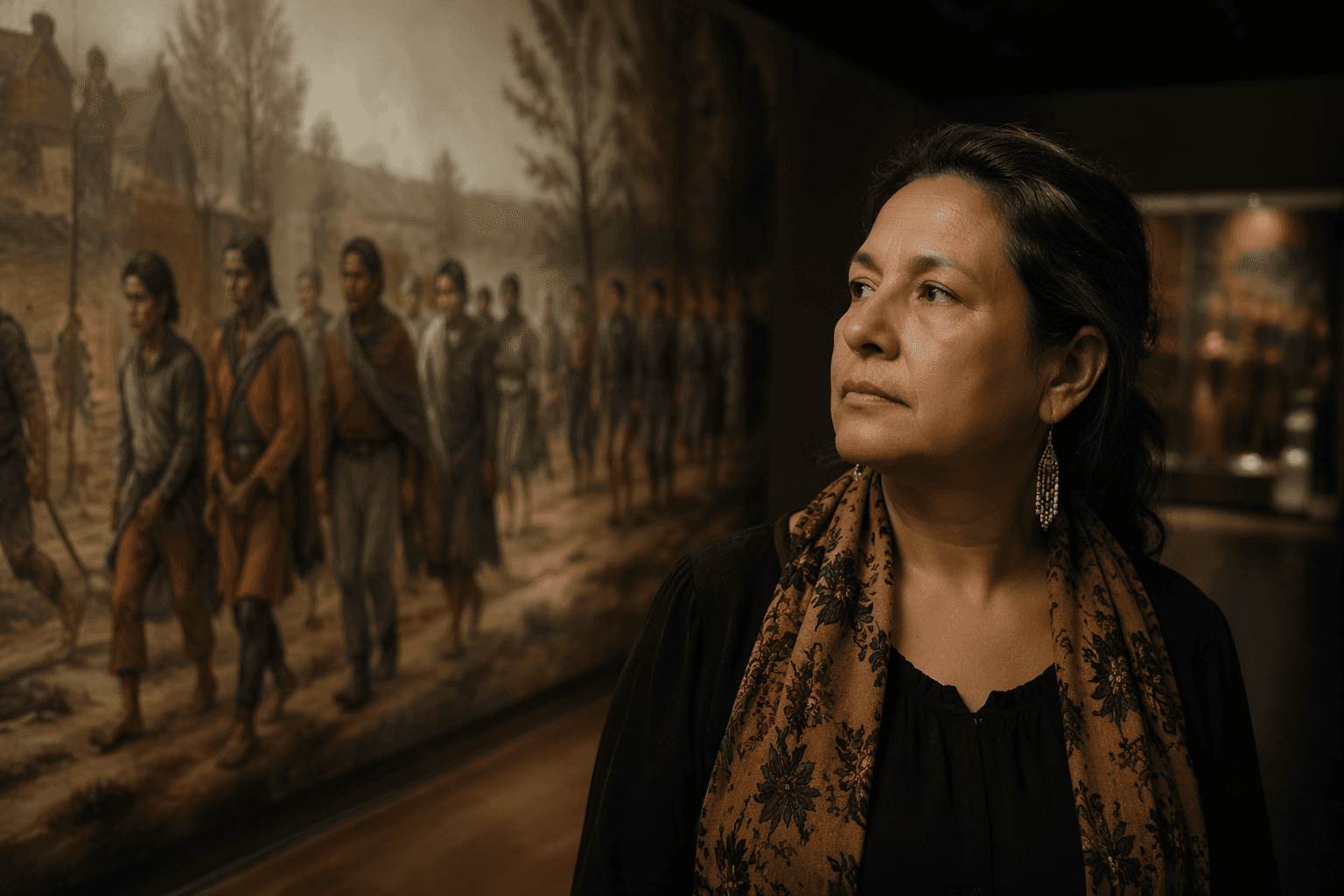
The Thomas Wolfe Memorial encompasses two buildings: the historic “Old Kentucky Home” boardinghouse and a visitor center. The visitor center includes a 22-minute film about Wolfe’s life and writings, plus an exhibit hall that broadens the story beyond the house itself and into Asheville’s development. That split gives the site a useful public-history rhythm, because it lets visitors learn the literary basics before stepping into the preserved domestic space.
The experience also helps explain why the memorial still resonates with locals. Guests come away understanding Asheville in the 1910s, the role boardinghouses played in tourism and society, and the way the city’s growth was experienced inside ordinary homes as much as in hotels or civic buildings. The memorial’s children’s playhouse on the property adds another layer of family history, while the original furnishings let the house speak for itself rather than relying only on panels or labels.
How to visit
The memorial is open Tuesday through Saturday from 9 a.m. to 5 p.m., with guided tours offered daily at the bottom of each hour. The visitor center and exhibit hall are free, while the historic house tour carries a modest admission fee. That mix makes the site accessible for casual downtown visitors and worthwhile for readers who want a deeper look at Asheville’s literary past.
- Start in the visitor center for the film and exhibit hall.
- Walk the historic boardinghouse with a guided tour.
- Leave time to see the property’s children’s playhouse and the site’s downtown connections.
- If you are planning ahead, remember that the museum can be a short stop or a longer one, depending on whether you pair it with a walking tour.
A quick practical guide:
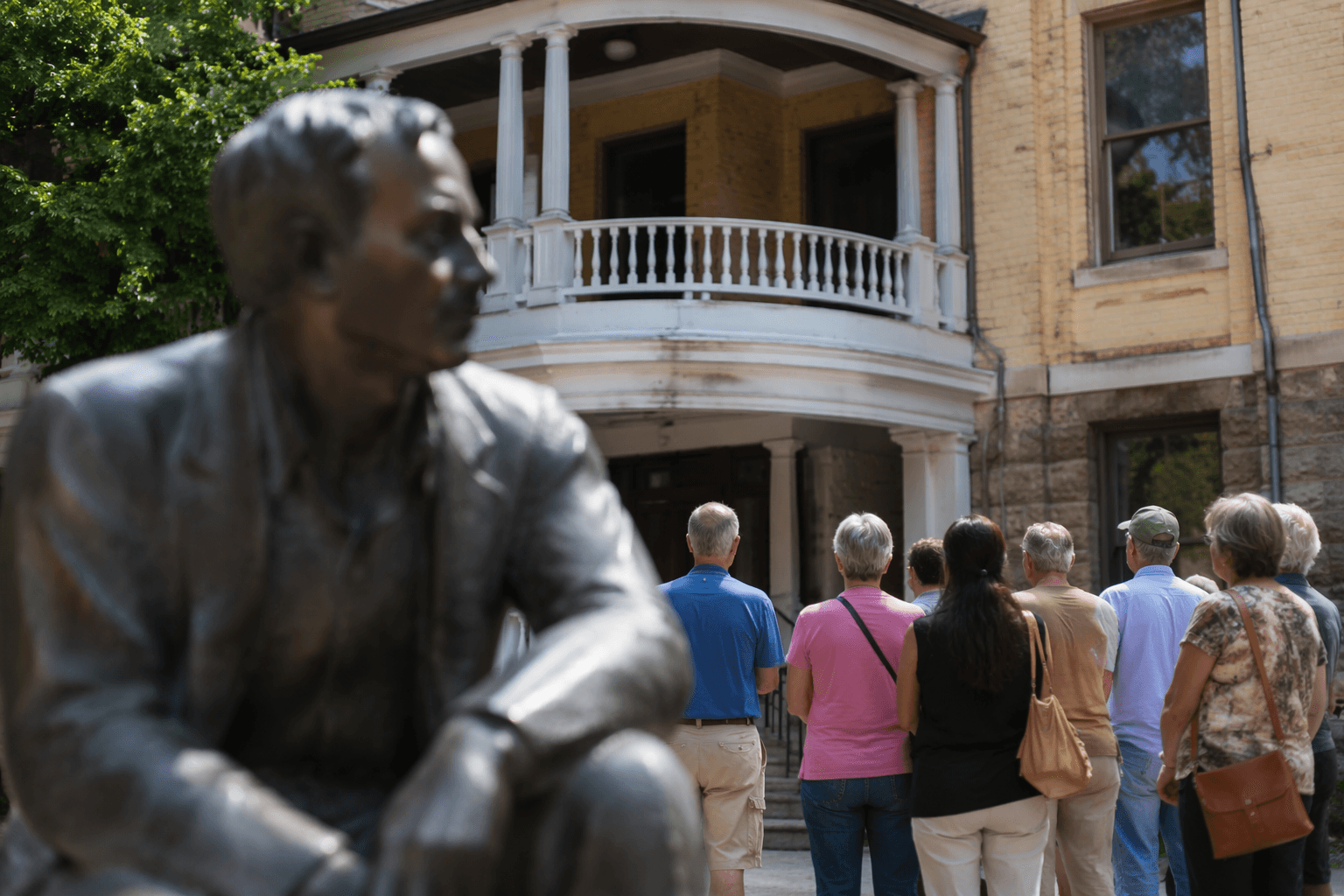
The memorial also connects directly to the Asheville Urban Trail through bronzed replicas of Wolfe’s shoes and the installation known as “Wolfe’s Neighborhood,” which uses bronze bas-relief scenes to evoke the streetscape of Wolfe’s boyhood home. That walkable link matters in downtown Asheville, where visitors often move from one cultural stop to the next and where a museum’s value increases when it helps people understand the blocks around it, not just the building itself.
Programming that keeps the site active
The memorial is not just a static room of artifacts. It hosts a Wolfe Short Story Book Club from January through March, along with Riverside Cemetery tours and guided downtown walking tours in spring and fall. Those programs turn the site into a year-round literary and local-history anchor, with each offering extending the story beyond the house and into the city’s broader historic landscape.
That ongoing calendar is part of why the memorial remains useful to Buncombe County now. It serves readers who want to revisit Wolfe, newcomers who know Asheville but not its literary roots, and residents who want a stronger sense of the city before the current round of development erased more of the built environment. In a downtown that keeps changing, the memorial gives Asheville something stable to stand on: a house, a novel, and a public record of how the two became inseparable.
A fragile place that still endures
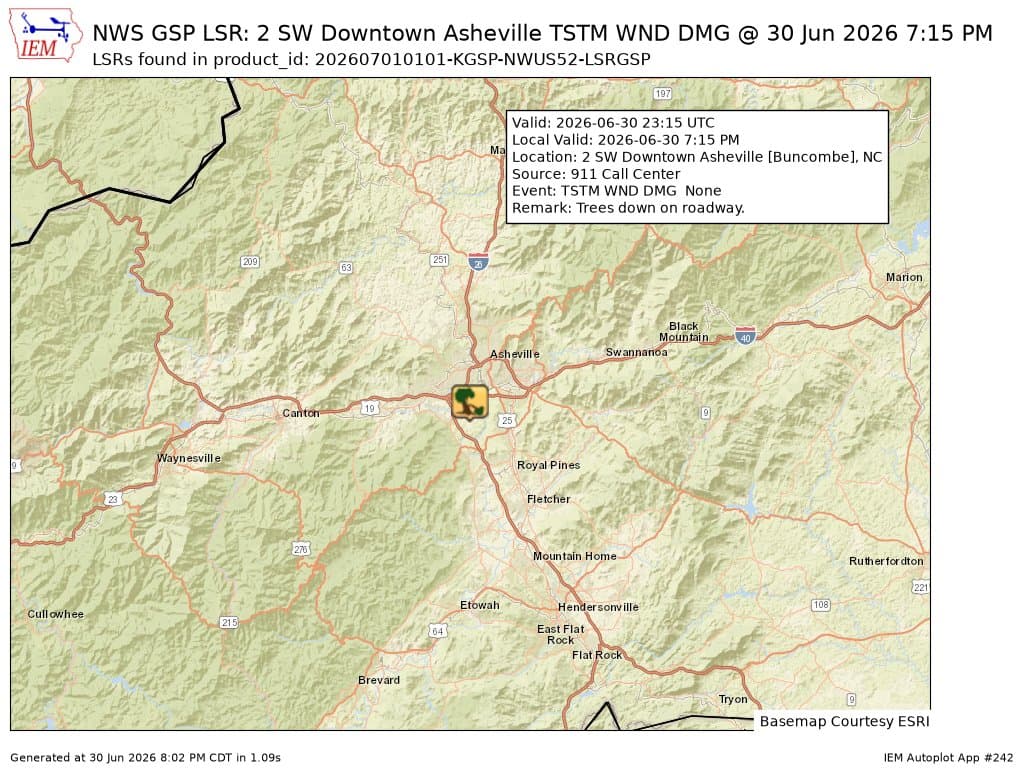
The memorial reopened on December 10, 2024, after closing when Hurricane Helene sent a tree onto the house and caused minor damage, including cracked plaster. That episode underscored how vulnerable historic sites can be, even when they are carefully maintained and nationally recognized. It also showed why keeping a house museum open matters in Asheville: the site is not only about remembering the past, but about preserving a living landmark that still helps the city explain itself after disruption.
The Thomas Wolfe Memorial was first opened by the Thomas Wolfe Memorial Association, later taken over by the City of Asheville in 1958, and is now owned and operated by the State of North Carolina. That public stewardship is part of the story too. In downtown Asheville, the house stands as proof that literary heritage can function as civic infrastructure, giving residents and visitors a place where the city’s history, architecture, and imagination all remain visible in the same rooms.
This article was produced by Prism’s automated news system from verified source data, official records, and press releases, then run through automated quality and moderation checks before publishing. The system is built and supervised by the people who set the standards it runs under. Read our full AI policy.
Did this article answer your question?