Vance Birthplace preserves Buncombe County’s early mountain homestead history
Free tours at Vance Birthplace let visitors read Reems Creek’s full history, from early mountain settlement to the enslaved labor behind a famous Buncombe name.
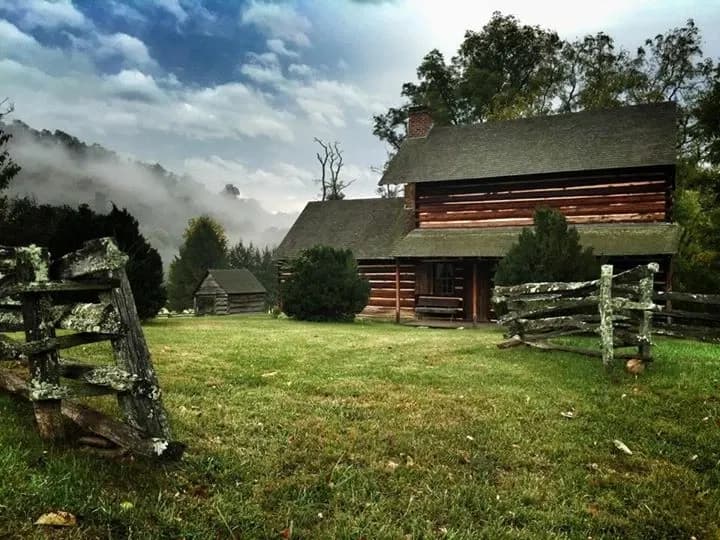
At 911 Reems Creek Rd. in Weaverville, the Vance Birthplace gives Buncombe County residents a place to see early mountain life instead of just hearing about it. The site is open Tuesday through Saturday from 9 a.m. to 5 p.m., admission is free, and guided tours run at 11 a.m., 1 p.m. and 3 p.m. Visitors can move through a landscape that still includes a loom house, tool shed, spring house, smoke house and corn crib, along with a reconstructed log house and a 1790s slave dwelling.
What is on the ground now
The value of the site starts with what is still standing. NC Historic Sites interprets it as a 19th-century mountain plantation, which means the place is read through work, land, household production and status, not simply through one surname. That approach turns the property into a living lesson in how a Blue Ridge homestead functioned, from food storage to textile work to the daily chores that kept a farmstead operating.
The physical layout matters because it lets visitors connect the buildings to specific tasks. A smoke house speaks to meat preservation, a spring house to cooling and water use, and a corn crib to the central place of corn in mountain farming. A visit here is not abstract, because each structure points to a practical part of Reems Creek life that shaped the county before Asheville became the region’s center.
How the Reems Creek homestead began
The Vance family’s roots in the valley reach back to the 1790s, when Revolutionary War veteran David Vance Sr. and his wife Priscilla Brank Vance established the homestead, according to NC Historic Sites. North Carolina History Project adds that David Vance was the first of the family to occupy the place, moving into Reems Creek Valley between 1785 and 1790 after serving in the Continental Army and at Kings Mountain.
That timeline places the homestead in Buncombe County’s earliest Euro-American settlement era. David Vance acquired the family farm property in 1795, but it remains unclear whether the buildings were part of that purchase or whether he built the home himself. That uncertainty is part of the site’s value, because it forces a careful reading of how land, labor and construction worked in the backcountry rather than assuming every preserved building tells a simple origin story.
Why the famous name is only part of the story
Zebulon Baird Vance was born in Buncombe County on May 13, 1830, and became one of North Carolina’s most prominent and controversial political figures. The birthplace keeps that biography anchored to a real farmstead in Reems Creek, which matters because it prevents the family history from floating free of the place that produced it.
The site is most useful when it is read as a county history stop, not just a memorial to one man. It shows how a single Buncombe family sat inside larger patterns of frontier migration, agriculture and political influence in western North Carolina. It also helps explain why this valley remains important in local memory long after the county’s center of gravity shifted toward Asheville.
The slavery history the site now makes visible
The site’s interpretation is also stronger because it confronts the labor system behind the homestead. NC Historic Sites has a dedicated slavery page for the Reems Creek Valley that states Vance family members enslaved at least 27 people between the late 18th century and the Civil War era. That detail changes the way the property should be understood, because the farmstead was not just a family residence or an old settlement site, but part of a plantation system built on forced labor.
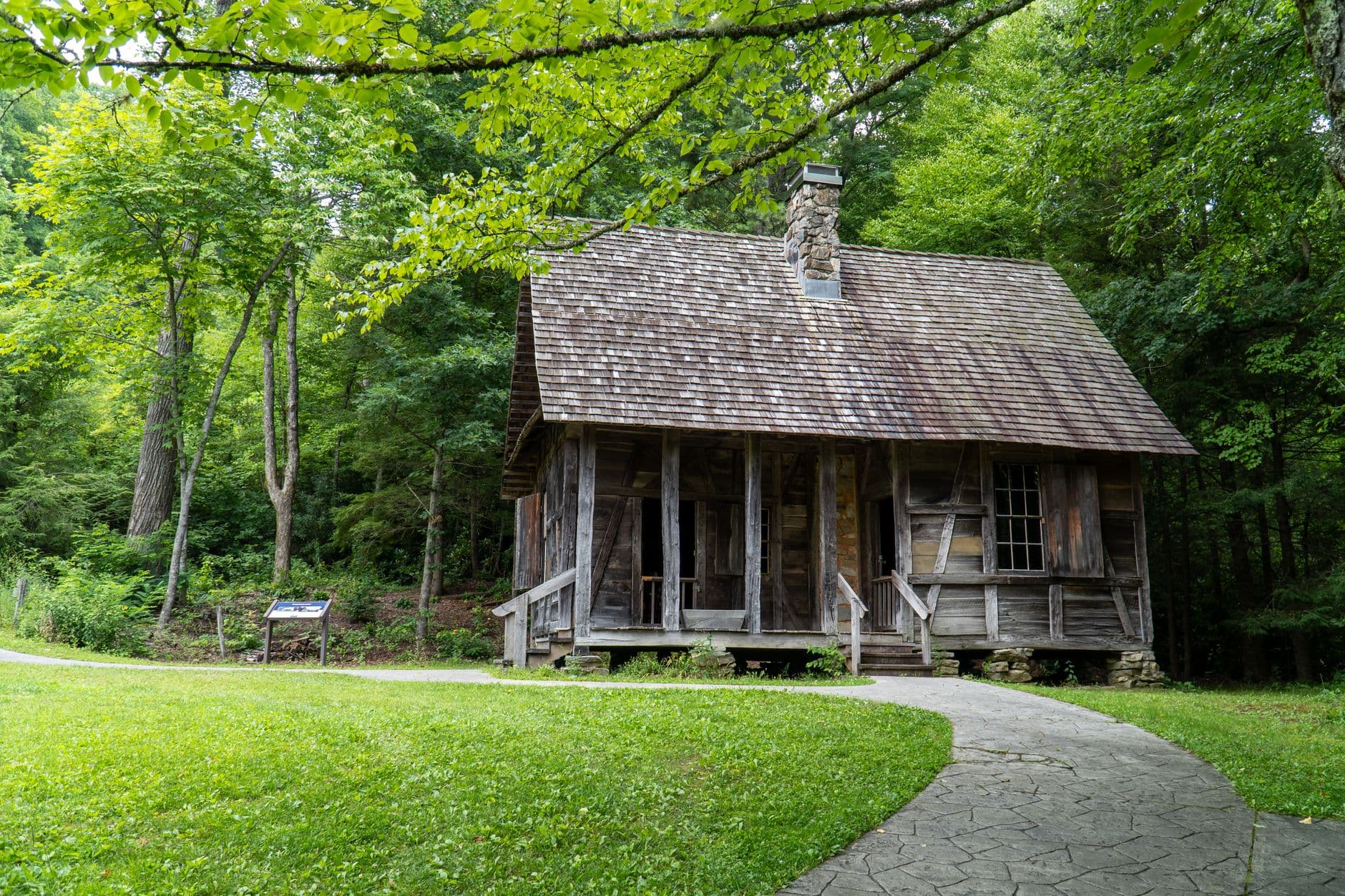
Blue Ridge Heritage describes the site as preserving a reconstructed log house and a 1790s slave dwelling alongside several 19th-century outbuildings, which deepens the picture of daily life on the property. Together, those elements show a household ordered by race, labor and class as much as by kinship or memory. For anyone trying to understand Buncombe County’s past honestly, that context is not optional.
Why Buncombe County still needs the site
Buncombe County Special Collections notes that many county residents who grew up here after 1960 remember visiting the birthplace on school trips or family outings. That long public role matters, because it means the site has functioned not only as a historic property but also as a place where generations learned what early county life looked like. The preservation work keeps that memory tied to real structures and real ground rather than to a polished legend.
For local history, the Vance Birthplace does something rare: it lets visitors read the full Reems Creek landscape. It preserves a famous family name, but it also preserves the valley’s layered social, political and cultural history, from Revolutionary War settlement to plantation labor to the way Buncombe County still teaches itself who it was and how it came to be.
This article was produced by Prism’s automated news system from verified source data, official records, and press releases, then run through automated quality and moderation checks before publishing. The system is built and supervised by the people who set the standards it runs under. Read our full AI policy.
Did this article answer your question?