4-H horse safety program teaches Cleveland County youth confidence
At West Point's 4-H horse center, kids learn to handle big animals safely, from helmets to showmanship. The lessons build confidence for the barn, the ring and rural life.
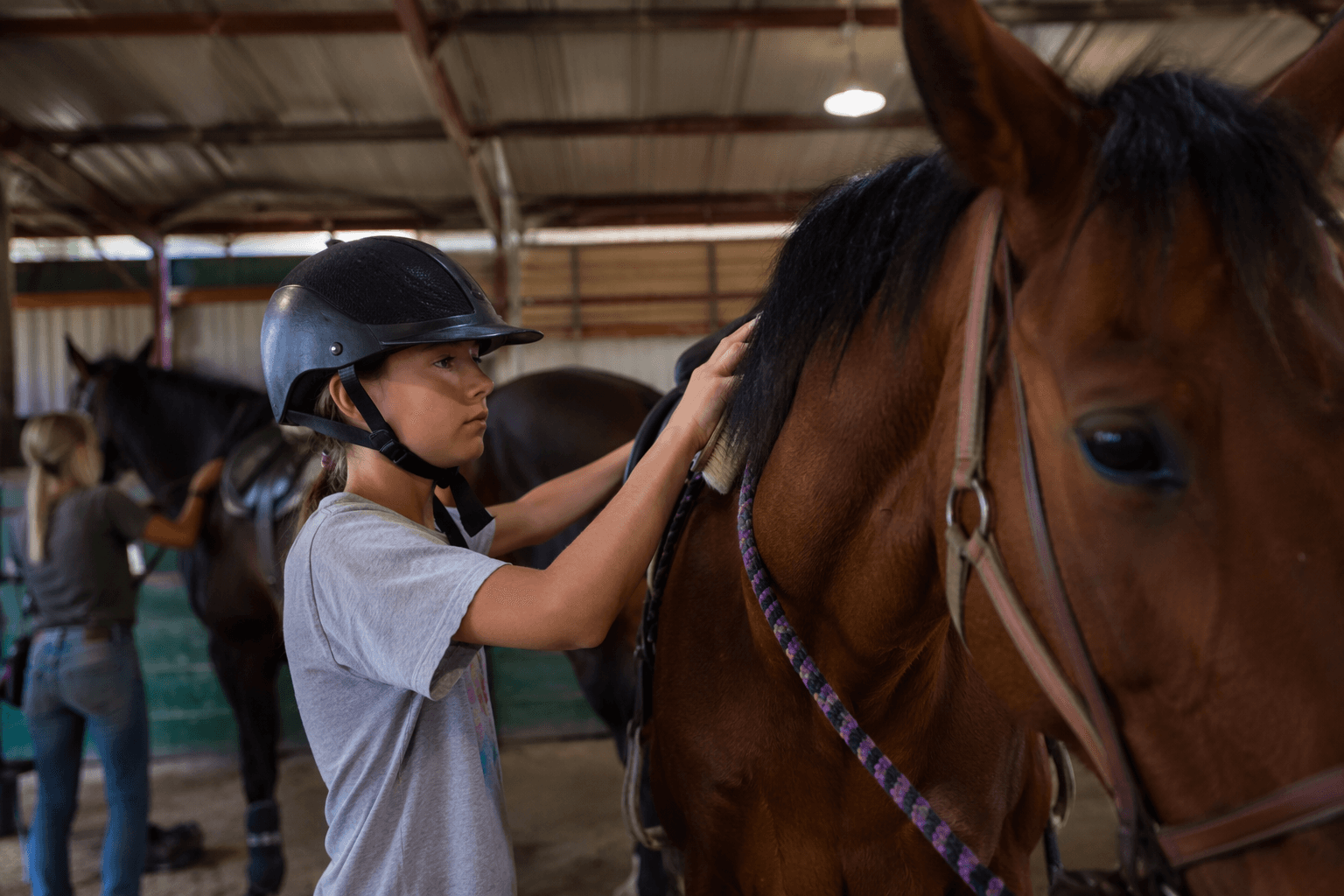
Laura Giaccaglia’s horse lesson starts with a warning that matters in every Cleveland County barn: a horse may feel familiar, but it is still a large animal that has to be treated with caution and respect. At the 4-H Elizabeth A. Howard Therapeutic Riding and Activity Center in West Point, young people learn that safety comes first, then skill, then confidence. The result is a program that teaches more than riding. It teaches how to work around livestock with discipline, patience and control.
Safety first at the West Point center
Mississippi State University Extension’s Equine Assisted Therapy Programs are based at 1769 Old White Rd S in West Point, where instruction is built around educational and research-based activities. A photo caption from April 10, 2014 at the center shows that this hands-on work has been part of the region’s extension effort for years, not a passing clinic or one-time demonstration.
The lessons focus on the practical details that keep young handlers safe. Participants learn how to approach a horse, how to recognize animal behavior, how to use protective gear such as helmets and how to maintain control while working around a powerful animal. That structure matters because confidence around horses does not come from guessing. It comes from repeated, supervised practice in a place where instruction is deliberate and the horse is treated as both partner and large animal.
For Cleveland County families, that approach fits the everyday reality of rural life. Whether a child will eventually show livestock, help on a farm or simply be around horses at home, the same basics apply: calm movement, careful handling and respect for the animal’s size and strength.
What showmanship actually teaches
Showmanship is often understood only as a show-ring category, but Mississippi State University Extension defines it more specifically as the conditioning, grooming and presenting of a horse to its best advantage. In that setting, the exhibitor is judged on the ability to control and present the animal, which makes the class as much about discipline as appearance.
That is why 4-H livestock materials emphasize advanced planning, practice and hard work. Those are not just show-ring habits. They are the same habits that help a young person learn responsibility and determination, two skills that carry beyond livestock events and into school, chores and family work.
The lessons are easy to recognize once a child starts training around horses:
- approach the horse calmly and with attention
- use protective gear, including a helmet
- keep the horse under control while grooming and handling
- practice presenting the animal clearly and confidently
- prepare ahead of time instead of relying on instinct alone
Those habits look simple from the outside, but they are exactly what make the difference between casual familiarity with horses and real competence around them.
Therapeutic riding brings more than a skill set
The program is not only for young people preparing for competition. Mississippi State University Extension says its equine-assisted therapy programs promote therapeutic riding experiences through educational and research-based activities, and that local communities, 4-H members and volunteers all benefit from being involved.
Therapeutic riding activities are individualized and use the horse as a treatment tool to help riders work toward specific goals. Extension materials say people of all ages, disabilities and conditions may benefit, including individuals with autism, cerebral palsy and Down syndrome. That broad reach makes the center more than a horse facility. It is a place where the horse becomes part of the learning process for children and adults who may need physical, emotional or psychological support.
The program’s benefits also go beyond the rider’s body mechanics. Extension materials say a human-animal bond develops between rider and horse, adding psychological value to the physical work. In a region where practical, hands-on learning matters, that bond can be an important part of what keeps families engaged and young participants willing to try something challenging.
Volunteers and instructors keep the program moving
The current 4-H brochure says volunteers work with a certified riding instructor and other volunteers in the equine-assisted therapy program. It is designed for people who love horses and want to help people, which makes the program a natural fit for communities that already value service, agriculture and youth mentorship.
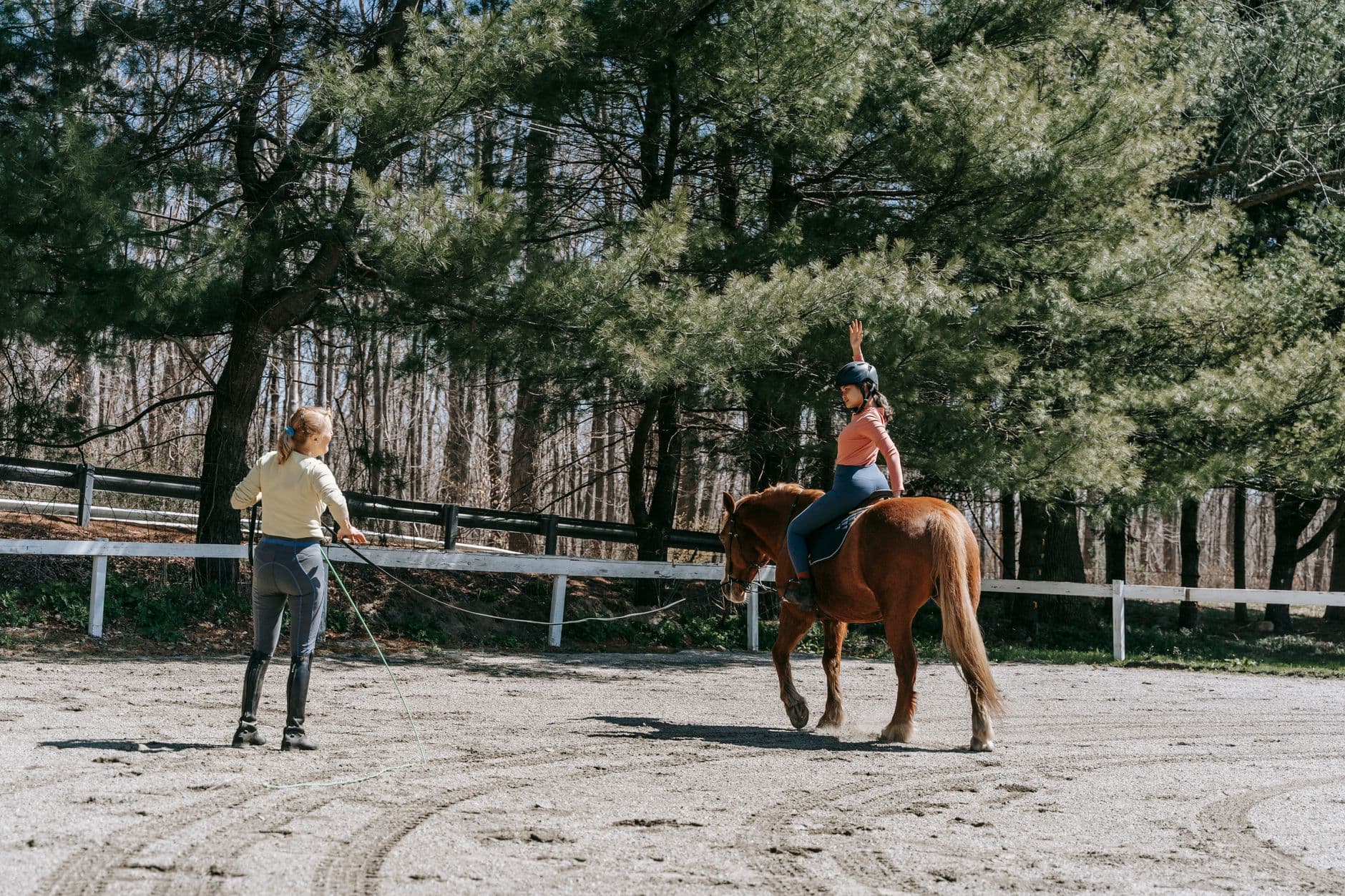
That support network is part of why the program can serve such a wide range of participants. A Mississippi State University employee-news item said the program uses eight horses and serves up to 200 people per year across all services. A 2024 Extension feature also noted equine-assisted services moving to the Mississippi Horse Park in Starkville, a sign of how the program’s reach extends across the region even as West Point remains a key location in the work.
For Cleveland County, that regional footprint matters. It shows that horse education is not isolated to one arena or one county line. It connects therapy, youth development and livestock skills in a way that reflects the Delta’s broader culture of shared institutions and practical learning.
Why the lessons stick
The value of a horse safety program is not limited to the show ring. A child who learns to steady a horse, wear the right gear and follow instruction learns how to handle responsibility in a setting where the consequences are real. That is why this kind of 4-H work leaves a mark in farm yards, competition barns and ordinary rural routines.
The center in West Point shows how a horse program can serve both safety and confidence at once. It gives young people a place to learn control around a large animal, and it gives families a clear example of how 4-H turns everyday work with livestock into a foundation for lifelong confidence.
This article was produced by Prism’s automated news system from verified source data, official records, and press releases, then run through automated quality and moderation checks before publishing. The system is built and supervised by the people who set the standards it runs under. Read our full AI policy.
Did this article answer your question?