Bolivar County joins Mississippi push for 22 new historical markers
Bolivar County was folded into Mississippi’s push for 22 new historical markers, putting Amzie Moore and other Delta civil-rights figures back in public view.
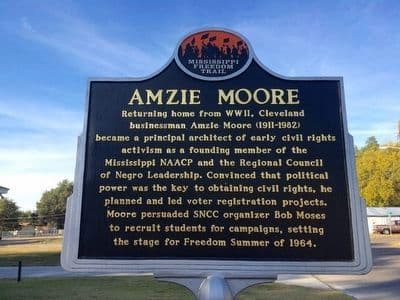
Bolivar County was included in Mississippi’s push for 22 new historical markers, a move meant to elevate early Black leaders and give better public recognition to people and places that shaped the state. In Cleveland, that effort lands in a county whose history is tied to civil rights, education, agriculture and the long record of Black organizing across the Delta.
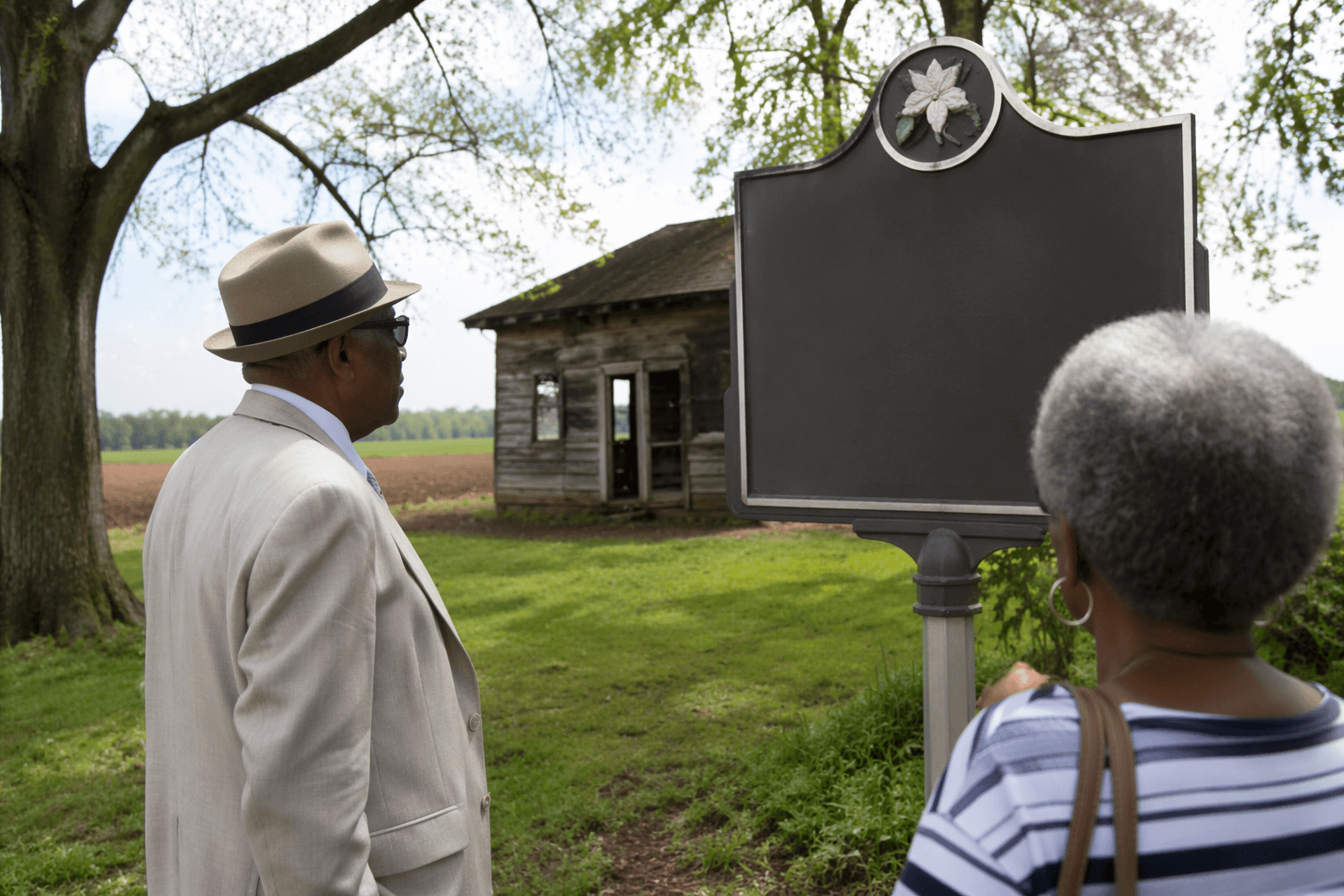
The Mississippi Department of Archives and History said the State Historical Marker program has operated since 1949 and now includes more than 1,000 markers statewide. Those markers appear near buildings, battlefields, cemeteries, churches, temples, forts, homes, schools and abandoned towns, making the program one of Mississippi’s most visible tools for turning memory into public landscape.
One of the clearest examples in Bolivar County is the Amzie Moore House at 614 South Chrisman Avenue in Cleveland. MDAH describes Moore as a prominent Delta civil-rights leader who built the house in 1941 and founded the Regional Council of Negro Leadership in 1950. Other preservation sources say the house was the first brick home owned by an African American in Cleveland and became a meeting point for Bob Moses, Fannie Lou Hamer, Medgar Evers, Stokely Carmichael, Thurgood Marshall and Martin Luther King Jr.
That history matters because the public record has not always matched the scale of the Delta’s Black leadership. The Mississippi Freedom Trail already includes sites in the Cleveland and Bolivar County area, but historical markers give visitors and residents a more immediate way to connect names, addresses and events to the places they pass every day. In a county where so much of the civil-rights story unfolded outside formal institutions, a marker can do what a classroom lesson or family story often cannot: fix a place in public memory.
Delta State University gives that work an academic anchor through the Delta Center for Culture and Learning, led by director Mandy Truman. Delta State says the center is part of its broader effort to celebrate and promote Delta heritage, a mission sharpened by the university’s own past. The campus was segregated from 1925 to 1965 and enrolled its first Black students in 1966.
For Bolivar County, the marker campaign is less about creating new history than making older history harder to overlook. It opens room for classroom learning, heritage tourism and community storytelling, while linking local archives and collections, including the Bolivar County Historical Society and the Bolivar County Library System’s Mississippi Room, to the landmarks that still shape Cleveland’s streets.
This article was produced by Prism’s automated news system from verified source data, official records, and press releases, then run through automated quality and moderation checks before publishing. The system is built and supervised by the people who set the standards it runs under. Read our full AI policy.
Know something we missed? Have a correction or additional information?
Submit a Tip