Cleveland County formed in Reconstruction era, renamed for Grover Cleveland
Rison did not win Cleveland County’s seat by size. The railroad’s arrival in 1882, and a 1891 court order, turned a Reconstruction-era county into a civic map that still matters.
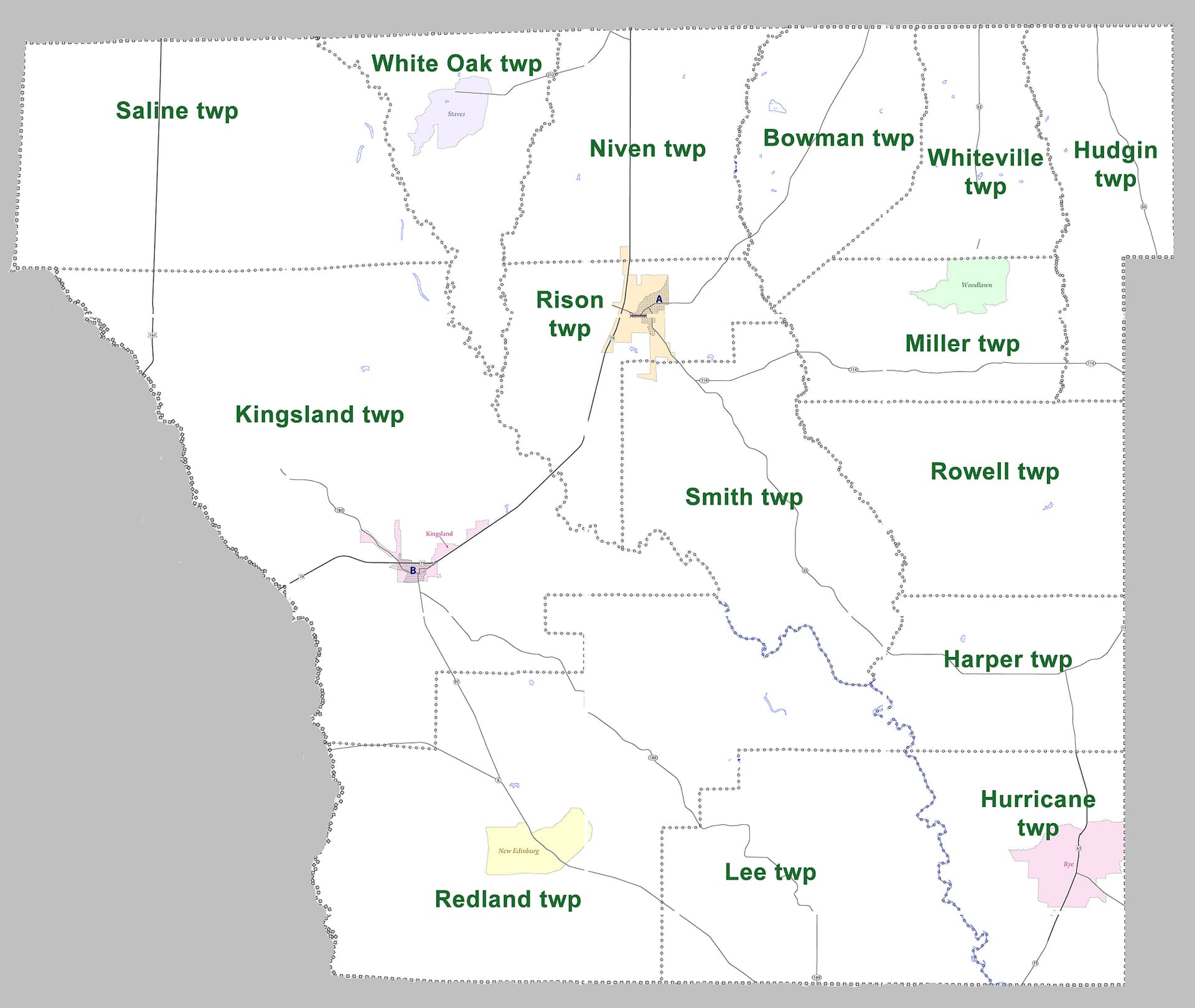
Cleveland County began as a Reconstruction-era carve-out, and the choice of Rison as county seat came later than the county itself. The surprise is how transportation tipped the balance: Toledo served first, but once railroad service reached the county in 1882, the center of gravity shifted toward Rison, and a court order on April 11, 1891, made it the official county seat. That decision still shapes where people go for courts, records, elections, taxes and other county business.
A county assembled out of older boundaries
Cleveland County was established on April 17, 1873, in southeast Arkansas, during the years when postwar Arkansas was still redrawing local power. The county was formed from pieces of Bradley, Dallas, Jefferson, Lincoln and Ouachita counties, which helps explain why its communities developed across lines that had once been political rather than social. In a county built from five parent counties, the courthouse town was never just a symbol. It was the place where scattered communities had to meet the machinery of government.
The county was first created as Dorsey County, named for Stephen W. Dorsey, a U.S. senator from Arkansas. That original name lasted until 1885, when citizens petitioned to change it and the county was renamed Cleveland County in honor of Grover Cleveland, who had just been elected president. The name change tied the county to national politics, but the daily business of the place remained local, rooted in roads, rail lines, farms, timber and the need to get county records within reach.
Why Toledo lost ground to Rison
Early county-seat history shows that the county did not settle instantly on Rison. A history compiled from Dallas Herndon’s Centennial History of Arkansas says Toledo was designated the permanent county seat by the board on July 7, 1873. Another account places the county seat at Toledo before rail service came through the county in 1882, which is the turning point that helps explain Rison’s rise.
That rail connection mattered because county seats in rural Arkansas had to be reachable for farmers, merchants and families carrying livestock, timber, cotton or legal papers. When transportation changed, access changed with it. The practical center of the county shifted toward the town that was easier to reach, and on April 11, 1891, a court order declared Rison the official county seat. In a small county, that kind of decision changes more than a map. It changes where people file deeds, where they vote, where they handle taxes and where they show up when the county needs them.
Rison as the county’s working center
Rison’s role makes the most sense when you look at the scale of the town itself. The 2020 Census counted 967 people in Rison, and the town covers 3.28 square miles. Cleveland County as a whole had 7,550 residents in the 2020 Census, so the county seat serves a population spread far beyond a single town’s limits. That mismatch between the size of the town and the reach of its institutions is exactly why county-seat towns matter so much in rural Arkansas.
The Cleveland County Courthouse in Rison, designed by Theodore M. Sanders and constructed in 1911, is the clearest physical sign of that role. By then, Rison was not simply a stop along the way. It had become the place where the county’s legal and civic life was expected to gather. Courthouses in counties this size are more than buildings for judges and clerks. They anchor the routines that bind a community together, from records and elections to land matters and local government.
What the county’s shape tells you about local life
Cleveland County is described as a county of rolling hills, and that geography helps explain why county-seat access has always mattered. Before modern roads, residents had to travel enough distance for the trip to be worthwhile, but not so far that the county government might as well have been elsewhere. For a county formed from multiple older counties, the question was never only where the line was drawn. It was where the lines of travel, trade and public service would meet.
That is why Cleveland County’s story still speaks to present-day civic life. The county’s formation, its renaming, and the move from Toledo to Rison all point to the same enduring fact: local power settles where people can actually reach it. In Cleveland County, that left Rison with a role far larger than its population or size would suggest, and the courthouse in the middle of town remains the most visible proof of how a 19th-century transportation shift still shapes the county today.
This article was produced by Prism’s automated news system from verified source data, official records, and press releases, then run through automated quality and moderation checks before publishing. The system is built and supervised by the people who set the standards it runs under. Read our full AI policy.
Did this article answer your question?