Cleveland Railroad Museum traces rail lines that shaped the Delta
Cleveland’s railroad museum shows how feeder lines turned cane and forest into a Delta hub. Its free downtown exhibits still connect residents and visitors to that economy-shaping past.
Cleveland’s railroad museum turns a downtown stop into a lesson on how transportation built the city’s place in the Mississippi Delta. The City of Cleveland describes a landscape that was once covered with forests and heavy cane, “as if the foot of man had never trod,” before feeder rail lines opened the region to cotton-era growth.
How rail lines remade the Delta
That shift is the core of Cleveland’s rail story. The city page frames the railroad not as a side note, but as the force that helped make the region commercially useful, linking rural Mississippi to broader markets and setting the stage for settlement, trade, and town growth. In a county where the economy and identity have long been shaped by agriculture, transportation, and the movement of goods, that history explains why railroads still matter to how Cleveland understands itself.
The museum gives that story a home in the middle of town. It offers a local reference point for the shift from undeveloped land to a connected market town, and it helps explain why Cleveland emerged as a hub in the first place. For residents, that is more than a history lesson, because the same transportation corridors that once carried cotton also helped define the city’s role in the Delta’s wider economic network.
What the museum preserves
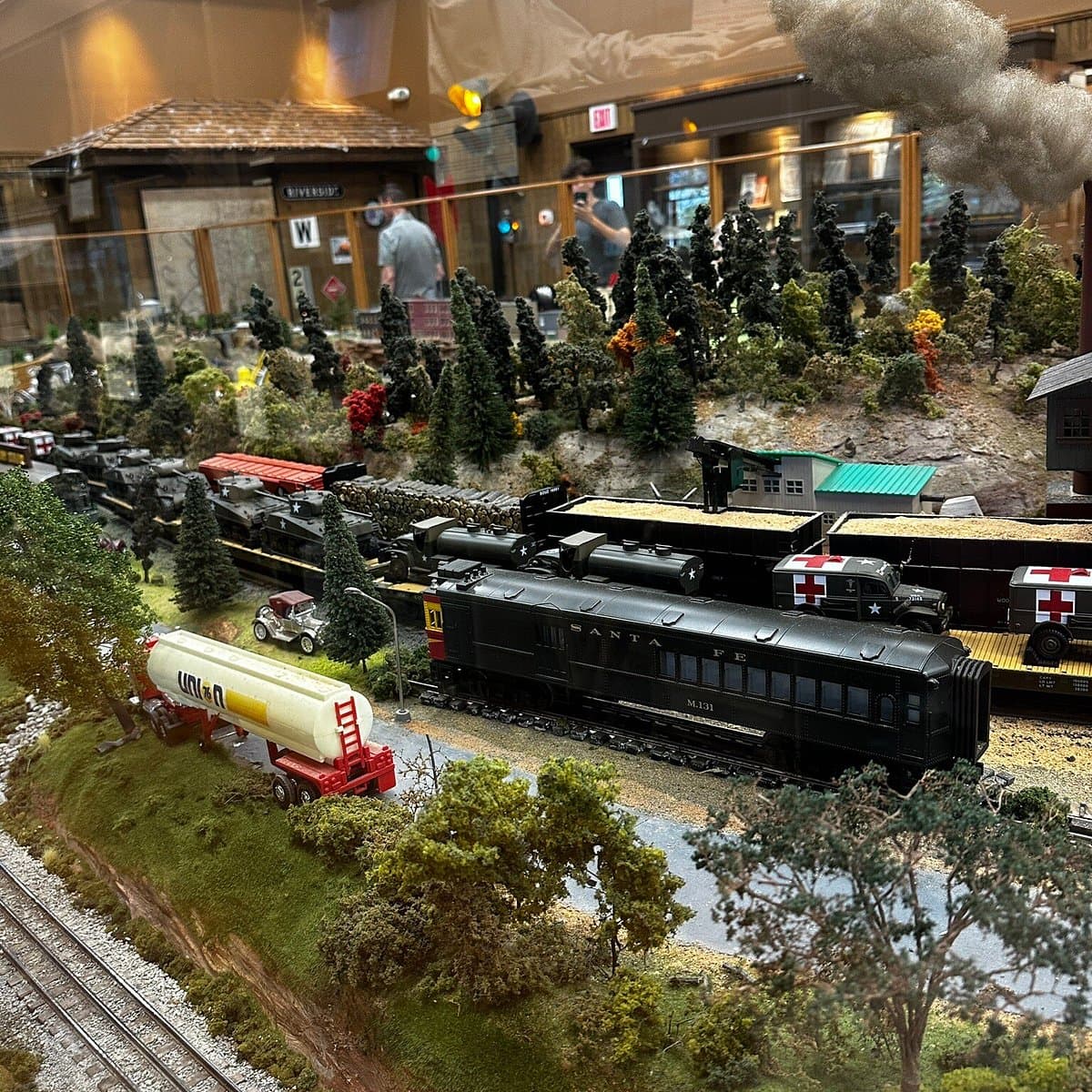
Visit Mississippi identifies the site as the Martin & Sue King Railroad Heritage Museum in Cleveland, and describes it as a place that preserves and celebrates the rich history and cultural impact of railroads in the Delta Region. Its exhibits, railroad-related artifacts, and memorabilia focus on the era between the 1940s and 1960s, giving the collection a specific time frame that helps visitors connect railroad history to the midcentury Delta.
One of the museum’s most tangible pieces is a 1941 caboose originally built for the Illinois Central Railroad. That caboose gives the collection physical weight, turning railroad history from text on a wall into something visitors can walk around and study. The hands-on element matters, especially for younger visitors and anyone trying to picture how rail service worked before highways took over so much of the movement of people and freight.
The museum also fits into Mississippi’s broader train-museum landscape. Visit Mississippi places it among the state’s railroad stops, and notes that the Delta’s story is central to the exhibits. That matters because Cleveland’s rail history is not isolated, it is tied to the same transportation and agricultural changes that shaped much of the Mississippi Delta.
Why it matters for Cleveland now
The museum’s value today is practical as well as historical. The city’s own framing shows that railroads helped make the region investable, reachable, and commercially active, which means the museum helps explain the roots of local development that still shape Cleveland’s identity. It is the kind of place that helps residents, students, and visitors understand why the city looks and functions the way it does now.
That makes it useful in more than one way. Families and students get a compact way to see how rail infrastructure influenced settlement and commerce. History enthusiasts get a focused collection centered on the 1940s through the 1960s. And anyone interested in Cleveland’s growth can use the museum as a starting point for understanding how the city’s transportation past still hangs over present-day discussions about preservation and development.
The museum also supports Cleveland’s visitor economy in a straightforward way. A listing places it at 115 S Bayou Ave in downtown Cleveland, near hotels and shopping, and says entry is free every day. That combination makes it an easy stop for people already spending time in the city center, while also giving local residents a low-barrier place to bring guests, classrooms, or family groups.
Where to go and what to expect
The museum sits at 115 S Bayou Ave in Cleveland, Mississippi, in the downtown core where it is easy to pair with other errands or a walk through the center of town. Because it is near hotels and shopping, it works as both a heritage site and a practical stop for people staying in or passing through Cleveland.
A visit should be approached as a local history stop rather than a large institutional tour. The appeal lies in the museum’s specific focus: railroad memorabilia, a preserved caboose, and the Delta’s own rail story. Free daily entry makes that history accessible without a ticket barrier, which helps the museum serve both the community that lives with this history and the visitors who are just beginning to see how rail lines shaped the Delta.
In Cleveland, the railroad museum is not just about trains. It is about the infrastructure that helped turn a heavily wooded, cane-covered landscape into a connected town, and about the legacy that still anchors the city’s identity in the middle of the Delta.
This article was produced by Prism’s automated news system from verified source data, official records, and press releases, then run through automated quality and moderation checks before publishing. The system is built and supervised by the people who set the standards it runs under. Read our full AI policy.
Did this article answer your question?