Delta State ends rural STEM program with teacher conference
Delta State closed its rural STEM program after 16 educators finished the final conference, leaving Cleveland-area schools to see what free training and classroom kits carry into next year.

Delta State University wrapped up its rural STEM effort with a final conference that brought 16 educators from across the Mississippi Delta back to campus, closing a grant-funded program that promised more than speeches: free training, classroom materials and a push to keep rural teachers in STEM. For Cleveland-area schools that depend on the same pipeline of teachers and students, the real question now is which of those supports will still be felt in classrooms next school year.
The Collaborative for Rural STEM Education was financed entirely by a $1 million U.S. Department of Education grant and was built for K-12 STEM teachers in the Mississippi Delta. Delta State said the program served schools across 17 counties, including Bolivar, Carroll, Coahoma, DeSoto, Holmes, Humphreys, Issaquena, Leflore, Panola, Quitman, Sharkey, Sunflower, Tallahatchie, Tate, Tunica, Warren, Washington and Yazoo. It launched in June 2024 with 22 teachers from 12 districts and was originally expected to run through the 2024-2025 academic year.
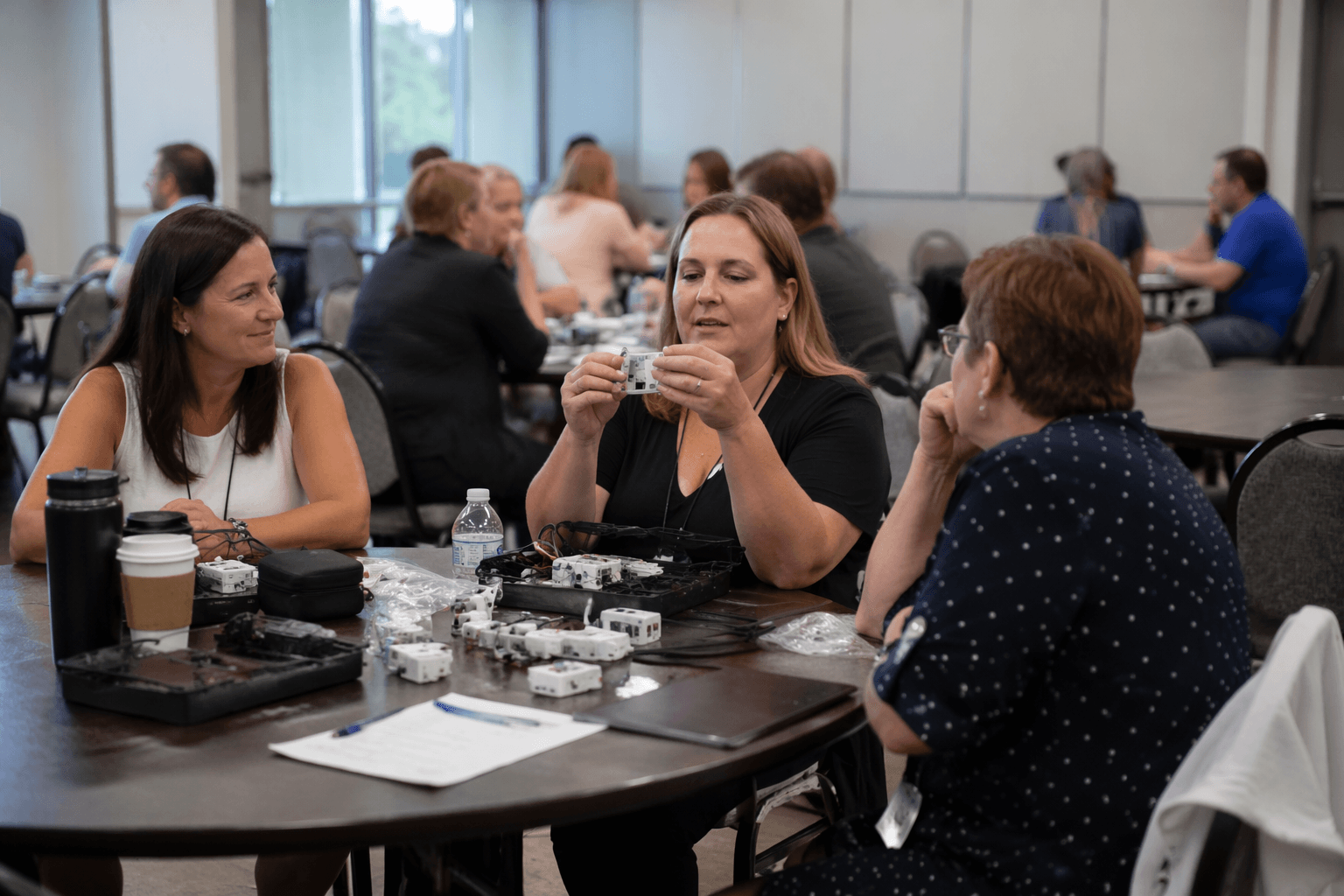
The university structured the work around free professional development and resource kits, with summer training that could provide 2.4 CEU credits, stipends and lodging if needed. Delta State also folded in campus resources such as field stations, planetarium space and laboratory spaces so teachers could build inquiry-based lessons and give students more hands-on lab experiences. By the time the second annual conference was held June 9-12, 2025, the program had expanded into a yearlong cohort model that included in-person workshops, Saturday sessions and on-site classroom visits.
Teachers in the program were organized into content-specific cohorts and supported through needs assessments, a model designed to make the materials fit grade level and subject area rather than sit on a shelf. Earlier participants, including Melanie Hardy and Tammie Marlow of Cleveland Central Middle School, pointed to the practical value of the supplies and expert-led training as they tried to stretch limited resources in their own classrooms.
Jessica Hardy, the project director, said evaluation feedback showed some teachers felt the program helped them regain their fire for teaching and want to stay in education. That matters well beyond the Delta State campus. When a rural STEM program closes after a federally funded rollout, local schools are left to show whether the classroom gains, teacher morale and retention benefits were strong enough to outlast the grant.
This article was produced by Prism’s automated news system from verified source data, official records, and press releases, then run through automated quality and moderation checks before publishing. The system is built and supervised by the people who set the standards it runs under. Read our full AI policy.
Know something we missed? Have a correction or additional information?
Submit a Tip