Delta State geospatial intelligence programs reaccredited through 2031
Delta State’s geospatial intelligence programs kept their national seal through 2031, strengthening a Cleveland pipeline into internships and GEOINT jobs.

Delta State University’s geospatial intelligence programs were reaccredited through June 2031, a renewal that keeps one of Cleveland’s best-known workforce pipelines tied to federal and private-sector mapping and intelligence work. The recognition covers both the Geospatial Analysis and Intelligence Certificate Program and the Bachelor of Applied Science in Geospatial Analysis and Intelligence, the degree many students use as a direct path into technical careers.
The reaccreditation matters because it comes from the United States Geospatial Intelligence Foundation, the national body that evaluates collegiate GEOINT programs through a voluntary, rigorous self-review and peer-evaluation process. For Delta State, that means the curriculum, faculty and student preparation were judged against national standards, not just campus expectations. The university’s broader standing also gives the program additional weight: Delta State is regionally accredited by the Southern Association of Colleges and Schools Commission on Colleges to award degrees at the baccalaureate, master’s, educational specialist and doctorate levels.
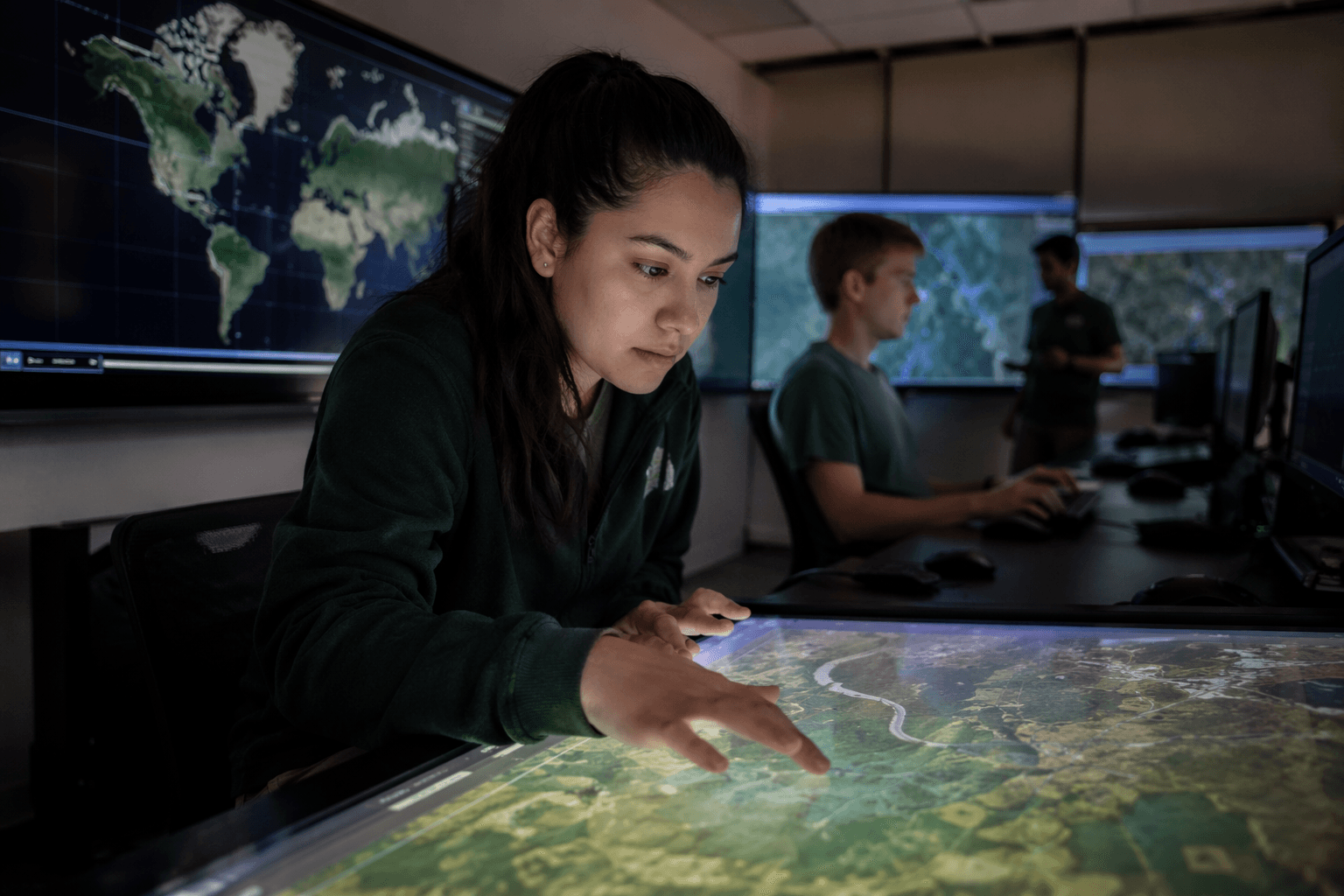
Delta State first earned USGIF collegiate accreditation in August 2019, when USGIF said the university was the first undergraduate degree program to achieve that distinction and the 18th college or university accredited by the foundation. The program is housed in the Center for Interdisciplinary Geospatial Information Technologies, which Delta State says can deliver the BAS-GAI on campus or online. That reach gives the program an advantage with traditional students, working adults and service members who want a credential that fits around jobs and family obligations in the Mississippi Delta.
The career value is built into the program itself. Delta State says BAS-GAI students complete a full semester of cooperative education with real-world project partners, including the National Geospatial-Intelligence Agency, Hexagon Federal and USDA-NRCS. That kind of placement gives students more than classroom training: it puts them in settings where employers can see how they work, and it gives local graduates a credential that carries recognized industry weight when they apply for jobs beyond Cleveland.

Talbot Brooks has directed the center since 2005, and his vita says the unit is primarily self-funded at about $1.2 million a year. USGIF’s scholarship program has awarded more than $2 million since 2004, and a 2024 scholarship announcement included Delta State students Aisha Harris and Makeriah Hampton among the recipients. Taken together, the reaccreditation, scholarship support and employer links show why the program has become one of Delta State’s most durable ways to keep homegrown talent moving into GEOINT careers without leaving the region for good.
This article was produced by Prism’s automated news system from verified source data, official records, and press releases, then run through automated quality and moderation checks before publishing. The system is built and supervised by the people who set the standards it runs under. Read our full AI policy.
Did this article answer your question?