Delta State students present research at national TriBeta convention
Delta State biology students took their research to a national stage in Tallahassee, where TriBeta’s network reaches more than 300,000 lifetime members.
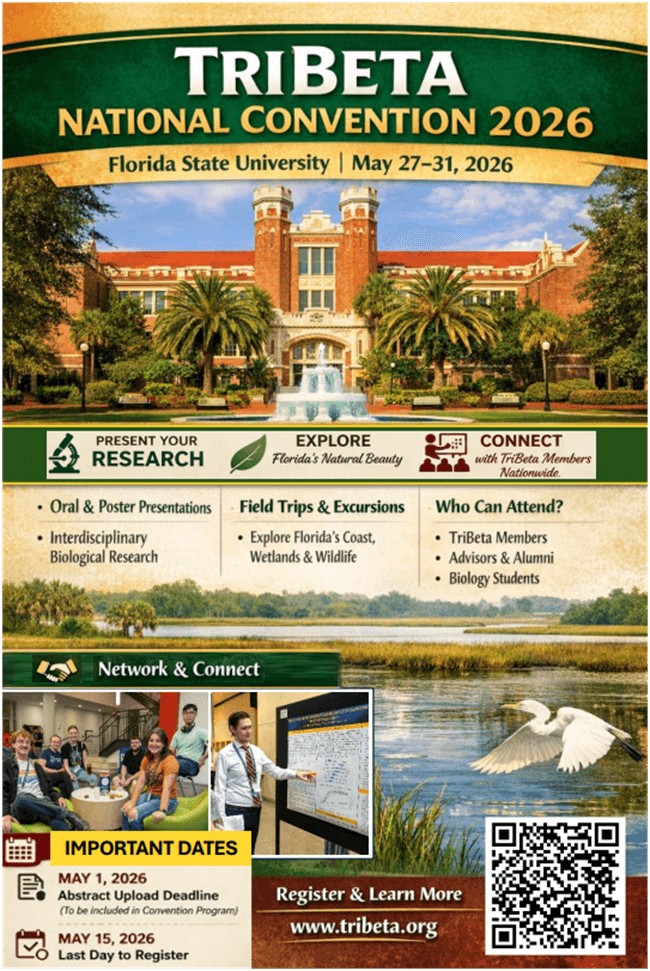
Delta State University’s Department of Biological and Environmental Sciences sent students and faculty to the 2026 Beta Beta Beta, or TriBeta, National Convention, putting Cleveland-linked science work in front of a national audience and bringing that recognition back to campus. The convention ran May 27 through May 31 in Tallahassee, Florida, and was hosted by the Sigma Tau chapter at Florida State University.
For Cleveland, the value of that trip is bigger than a conference badge. TriBeta is a biology honor society built around undergraduate research, scholarly achievement and scientific networking, and Delta State said the group is an honor society for students in the biological sciences. That makes the convention a direct extension of the university’s biology and environmental science programs, which sit inside the College of Nursing, Health, and Sciences and connect to fields that matter in the Mississippi Delta, including agriculture, conservation, environmental monitoring and health-related work.
TriBeta says its national convention gives students and faculty from around the country a chance to meet, learn from each other and take part in business that requires chapter representatives to vote. The society also says members can compete for research scholarships and travel grants, and can submit undergraduate work for publication review in BIOS, its quarterly journal of biology that has been published since 1930. With more than 300,000 lifetime members and more than 650 chapters, TriBeta gives students a route from classroom labs to a much wider scientific network.
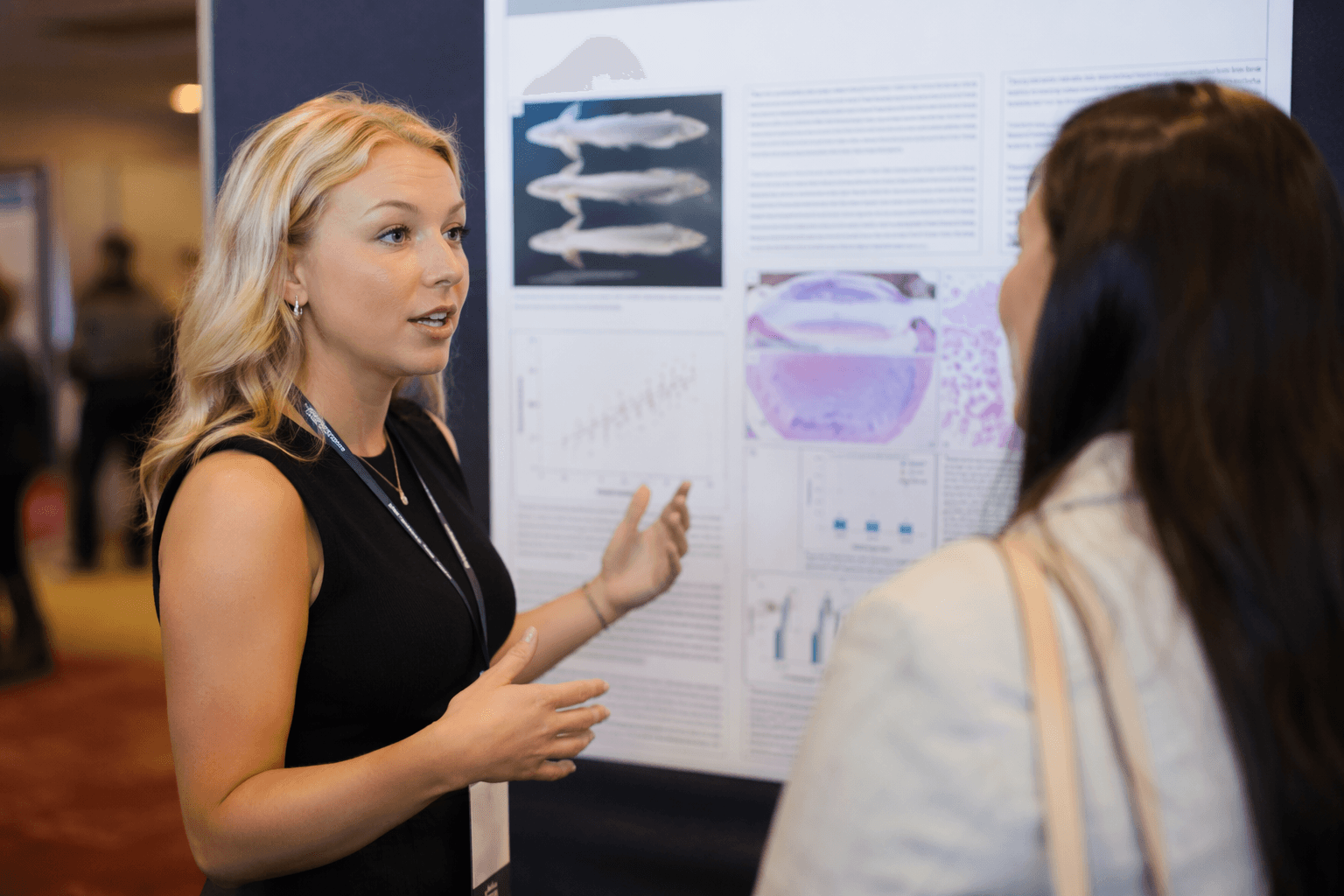
Delta State highlighted the trip at the student level as well, with separate recognition pages tied to students from Jasper, Amory and Fulton. That kind of attention suggests the convention was not just a routine travel note but a point of pride for the university and for the students representing it. Delta State says it offers more than 40 programs and maintains a 14-to-1 student-to-faculty ratio, a structure that can make faculty mentoring a stronger part of undergraduate research.
The university did not list the specific projects in the available information, but the setting still matters for Cleveland County. Biology and environmental science students who learn to present research, answer questions and work with faculty at a national meeting are building skills that can carry into local labs, farms, public agencies and environmental jobs. In a region where science affects land, water and community health, that kind of experience comes home with real value.
This article was produced by Prism’s automated news system from verified source data, official records, and press releases, then run through automated quality and moderation checks before publishing. The system is built and supervised by the people who set the standards it runs under. Read our full AI policy.
Did this article answer your question?