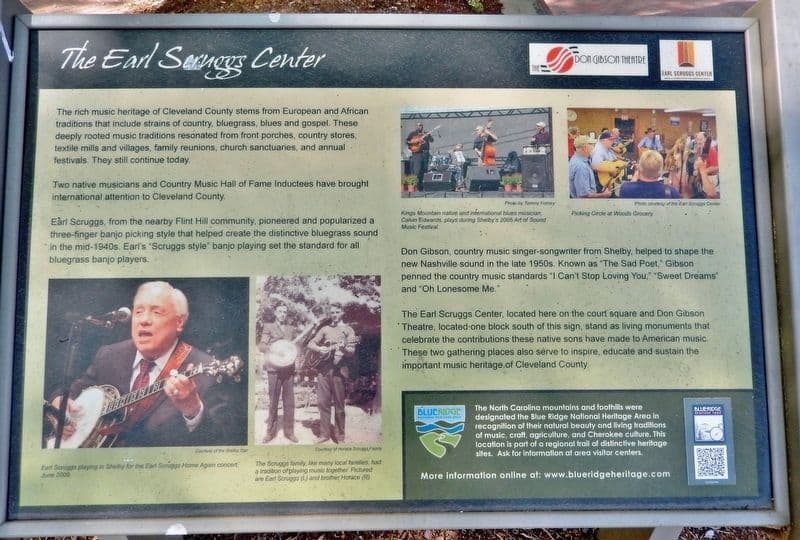
Jeff McCreary's new single draws on Delta family history, river life
Jeff McCreary's Terrene Landing turns a Cleveland-area release into a river-history story, linking family labor, Victoria Bend and the Delta's living identity.
What makes the song land
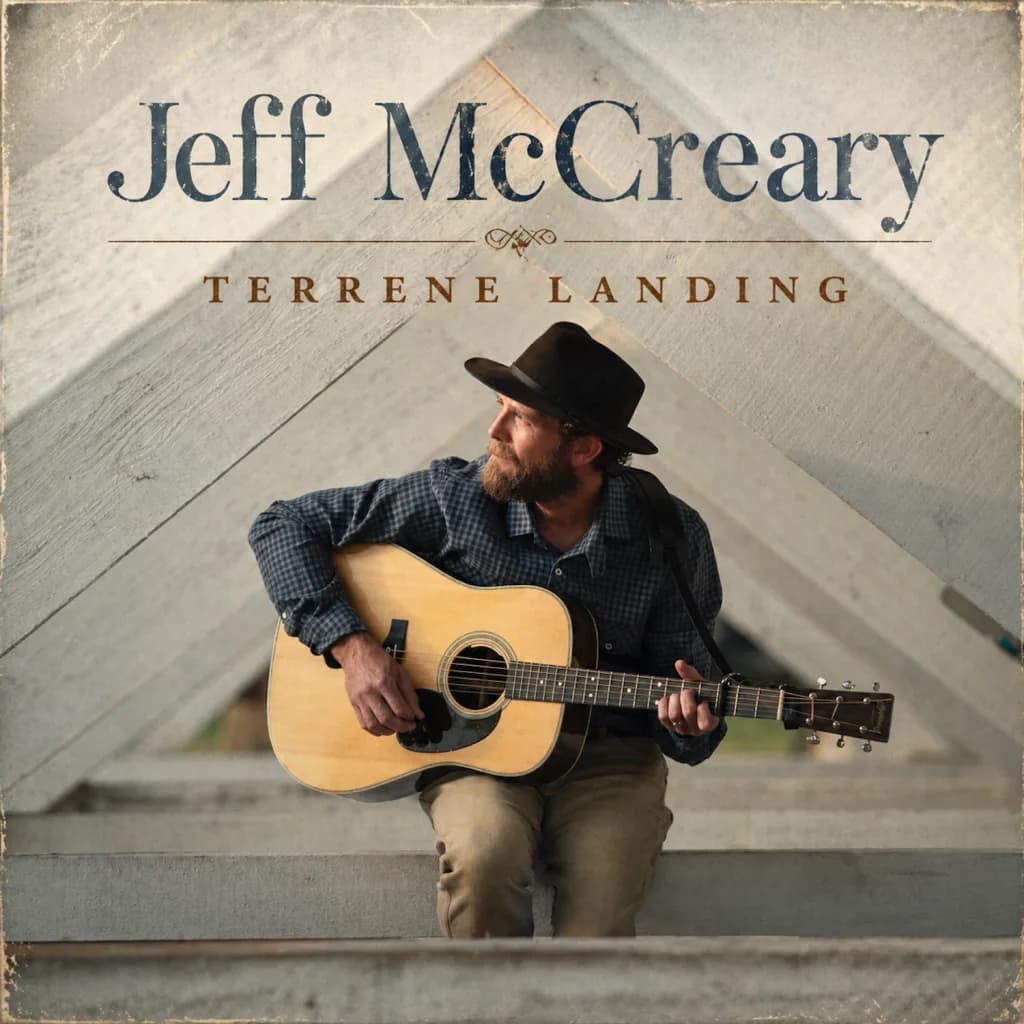
A line about Victoria Bend and a family of river workers gives Jeff McCreary’s new single, Terrene Landing, its immediate force: this is a Delta song built from real water, real labor and real memory. Released to streaming platforms on May 1 and recorded at Blue Sky Studios in Jackson, the track reaches back into Bolivar County’s river life instead of treating the Mississippi as scenery.
McCreary’s own background makes that connection hard to miss. Delta Deep Roots places him between Cleveland and Merigold, and says he discovered Bob Dylan at 16, then picked up the guitar and a pen. He has been writing songs since he was 16, released his debut EP, Rough Patch, in 2021, and stayed active in regional music through the Deep Roots initiative even after time away from the studio and a stint in Europe that did not pull him away from family or the Delta.
A Cleveland-area artist returns with a family story
Terrene Landing feels personal because McCreary wrote it fast and from memory. He said he wrote the song in about an hour, drawing from the perspective of his father, his father’s brother and others who grew up in Rosedale during the 1960s and 1970s. His father worked on a river boat for several years, and his grandfather spent most of his life as a commercial fisherman, which places the single squarely inside the working river culture that shaped so many Delta families.
That background matters for Cleveland listeners because it turns McCreary into more than a regional singer-songwriter. He is part of a generation of Delta artists who carry local history in the same way older businesses, churches and family names do, through memory, labor and repeated use. When an artist from Cleveland records a song built on river work and family lineage, the music becomes another archive of place.
His earlier release, Rough Patch, ran just four songs and about 15 minutes, according to Apple Music. Terrene Landing shows a return to recording after several years away from the studio, so this is not simply a loose single dropped between projects. It marks a clear step back into recorded work for an artist whose identity remains tied to Cleveland, Merigold and the wider Delta circuit.
Why Terrene Landing is a real place, not just a title
The title carries weight because Terrene Landing is not only a song name. Bolivar County says Terrene Landing River Park is the only public scenic overlook and boat ramp directly on the Mississippi River in the county, and one of only a few such access points anywhere in the state. The county also says there is no other Mississippi River access location within 50 miles north or south of Terrene Landing.
That kind of access is rare enough to matter on its own, but the geography adds another layer. The park sits on an elevated spur of the mainline Mississippi River levee, which means it can stay open year-round even when high water changes how people move along the river. For boaters, visitors and anyone mapping the river’s edge, the place is not symbolic. It is a working point of entry to the Mississippi.
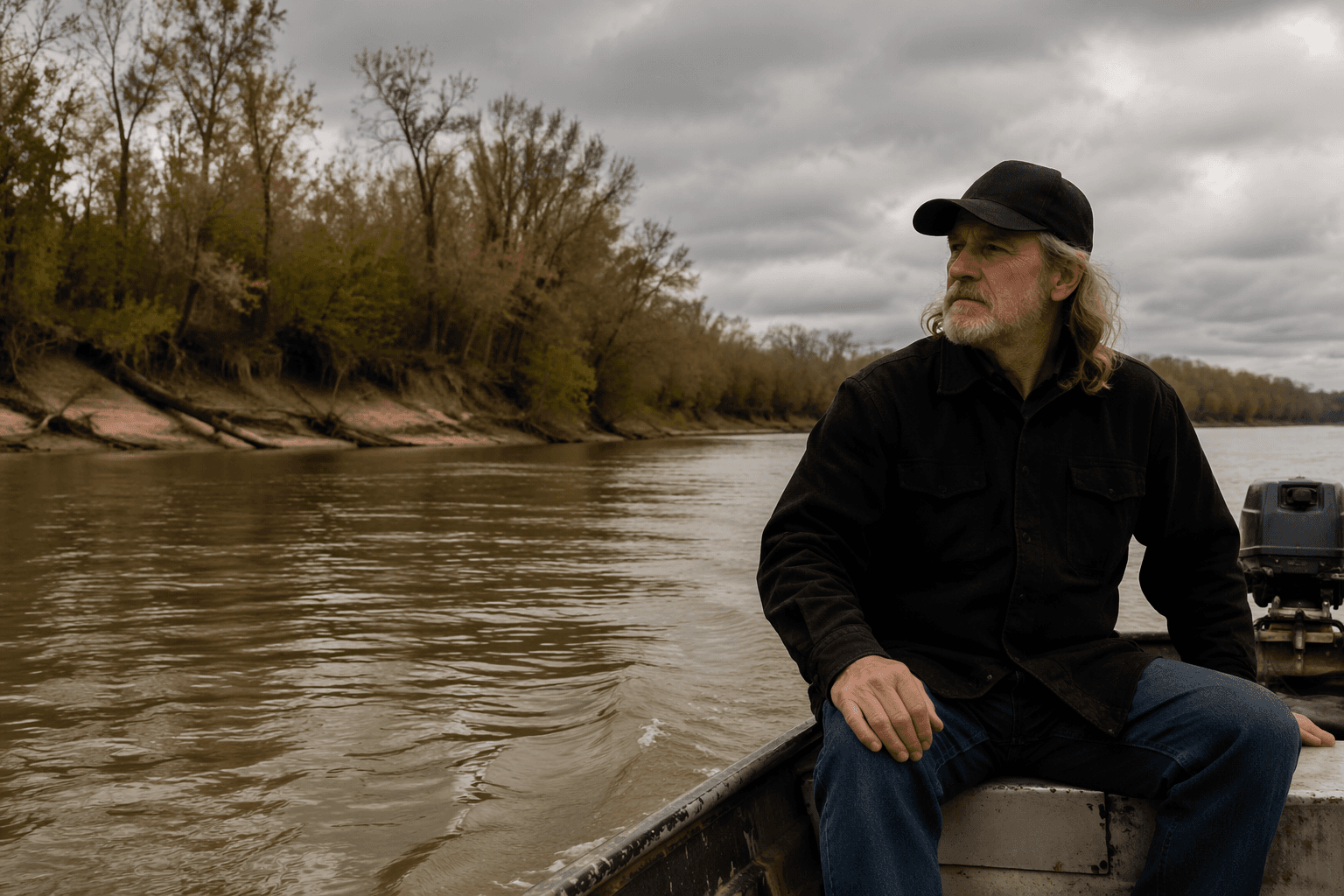
The song’s opening line about Victoria Bend gives that geography even more specificity. Victoria Bend is a real named bend on the Mississippi River in Bolivar County, tied to the historic river port settlement of Victoria. That means McCreary is not reaching for a generic river image. He is naming an actual stretch of water with a layered local history attached to it.
The river history behind the lyric
The historical backdrop explains why a song like Terrene Landing can feel so rooted in the Delta. The Mississippi Encyclopedia notes that antebellum communities such as Bolivar existed largely because steamboats landed at their doorsteps. Bolivar County was established on February 9, 1836, and the county’s western edge sits on the Mississippi River and the Arkansas border, making river access central to its original development.
The Port of Rosedale says Bolivar County has long had a deep connection to the Mississippi River dating back to the era of paddlewheel steam boats. That matters because the river was not only a landscape feature. It was a transportation corridor, a trade route and a source of work. McCreary’s song taps into that history through his father’s river boat years and his grandfather’s life as a commercial fisherman, turning family testimony into a broader county story.
For Rosedale, Cleveland and the smaller places between them, that history is not frozen in the past. It still shapes how local identity gets told, especially when music, heritage tourism and hometown branding overlap. A title like Terrene Landing can point listeners toward a public river access site, but it also points back to the older idea that the Mississippi made these towns possible in the first place.
Why this matters to Cleveland County now
McCreary’s new single shows how Delta music still functions as economic and civic language. Cleveland-area artists who stay active in regional circuits help keep local venues, cultural events and heritage-driven promotion supplied with material that feels authentic rather than manufactured. Deep Roots has kept McCreary visible in that circuit, and his continued regional performances reinforce the idea that Delta music is still a living part of the local economy, not just a museum piece.
That is especially important in places that trade on identity as much as infrastructure. Restaurants, festivals, riverfront stops and small businesses all benefit when the region’s story feels coherent and recognizable. McCreary’s song does that work by linking Cleveland, Merigold, Rosedale, Victoria Bend and Terrene Landing River Park into one narrative of family, labor and river life.
Terrene Landing lands because it sounds like the Delta and means the Delta. It is a reminder that in Cleveland County, the strongest cultural assets are often the ones anchored in place, carried by people who know the river not as a backdrop, but as a way of life.
This article was produced by Prism’s automated news system from verified source data, official records, and press releases, then run through automated quality and moderation checks before publishing. The system is built and supervised by the people who set the standards it runs under. Read our full AI policy.
Know something we missed? Have a correction or additional information?
Submit a Tip