Mississippi scraps AI traffic-camera contract after public backlash
Mississippi backed away from a $2.05 million AI traffic-camera deal after backlash over trailer-mounted enforcement. Officials said it would not write tickets.
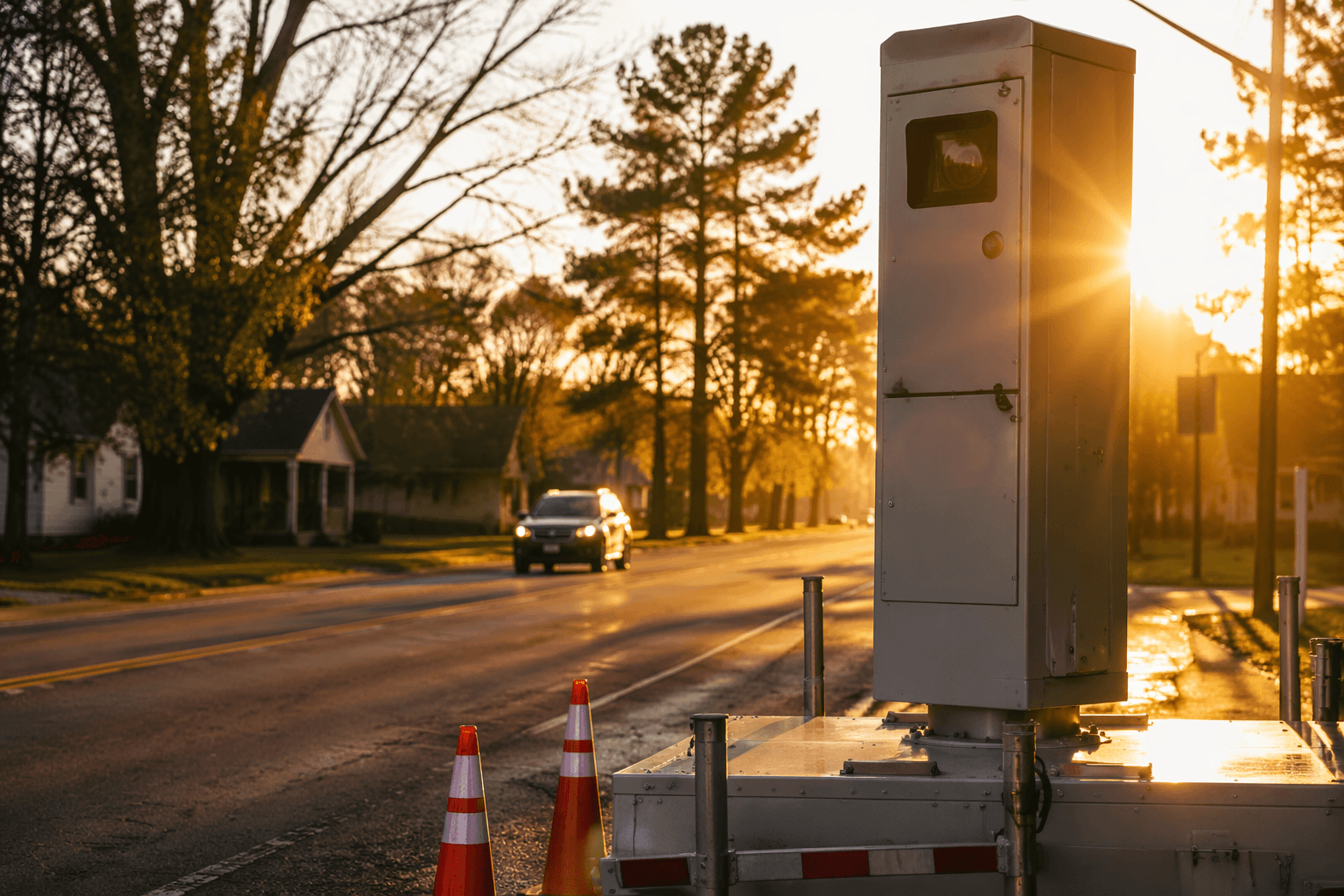
Mississippi Department of Public Safety officials backed away from a $2,052,000 AI traffic-camera contract after public backlash, and Commissioner Sean Tindell said the technology would not be used to write tickets. The reversal came after the state Information Technology Services Board approved the sole-source deal on June 17, leaving drivers with one immediate answer: this contract will not move forward.
The certification memo, dated May 26, 2026, said the state intended to award Acusensus Inc. a three-year contract for a mobile, multi-violation detection and real-time enforcement system. The work was to be paid with federal grants acquired by DPS, and the agreement carried a ceiling of $2,052,000, with room for ITS to increase spending authority if additional products or services stayed within scope during the certification period. Acusensus stood to benefit directly from the award as the sole-source provider.
Major Scott Henley told the board the system would be aimed at high-crash corridor areas, including stretches where officers could not routinely work because of construction zones or other barriers. Under the plan, AI would flag seat-belt use, handheld phone use, speeding and out-of-service vehicles, then send the alert to an officer downstream, who would decide whether to stop a vehicle and issue a citation. The contract also put trailer movement on the company rather than DPS, with Acusensus responsible for 52 moves per year for each trailer.
The proposal ran into a state law history that had already made automated enforcement a sensitive subject in Mississippi. House Bill 1568, passed in 2009, barred counties and municipalities from using automated cameras to detect traffic violations, and that skepticism helped fuel the reaction when the DPS plan became public. The technology was pitched as a targeted tool for work zones and other dangerous locations, but for many residents it looked like a new layer of roadside surveillance.
Acusensus says its Arkansas Speed program uses Real Time Harmony trailers to detect speeding vehicles in work zones, and that the program expanded in 2026 to include mobile-phone and seat-belt enforcement. The company also says it has active programs in Georgia and North Carolina, showing the system was already being used elsewhere even as Mississippi pulled back. For now, the state’s reversal leaves the broader debate over traffic monitoring, privacy and automated enforcement unresolved.
This article was produced by Prism’s automated news system from verified source data, official records, and press releases, then run through automated quality and moderation checks before publishing. The system is built and supervised by the people who set the standards it runs under. Read our full AI policy.
Know something we missed? Have a correction or additional information?
Submit a Tip