Allen codifies building code process as growth costs rise
Allen tightened its building-code process, approved a $195,500 impact-fee study and set August budget talks that will shape the next wave of growth costs.
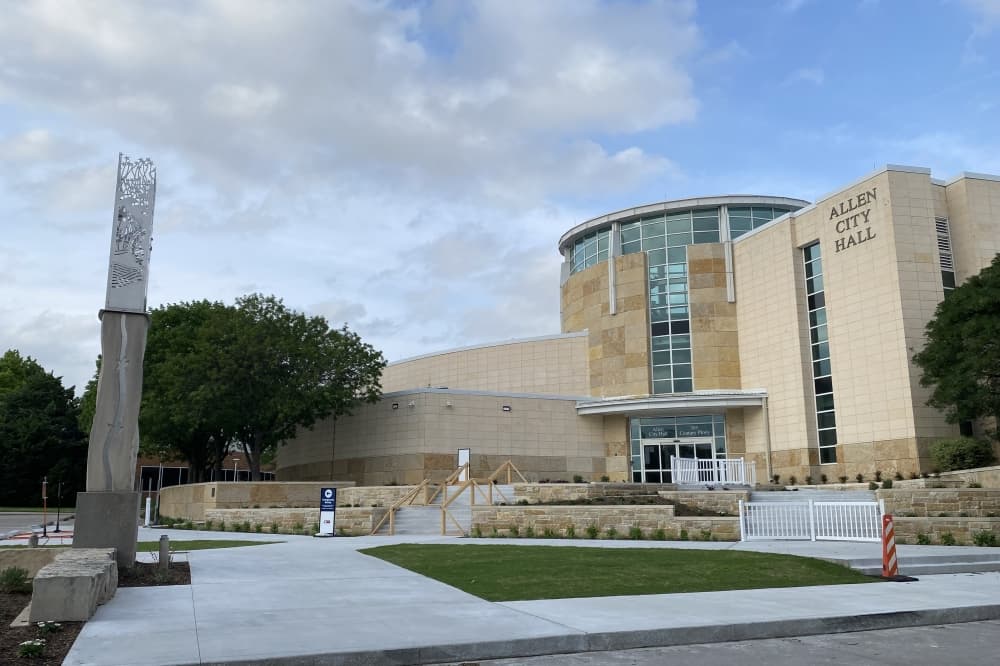
Allen City Council unanimously approved a code change that spells out the Buildings and Standards Commission’s role in reviewing model building codes, a move that will shape how future updates reach builders and homeowners as the city keeps growing.
The same consent agenda also authorized a $195,500 study with Birkhoff, Hendricks and Carter LLP to update Allen’s 2027 water, wastewater and roadway impact fees, and it set Aug. 21-23 for the next budget workshop at a hotel in Allen. The votes came during the June 23 meeting at Allen City Hall, 305 Century Parkway, where council members also approved Specific Use Permit No. 195 for Dynamite Performance Golf at 105 W. Bethany Drive.
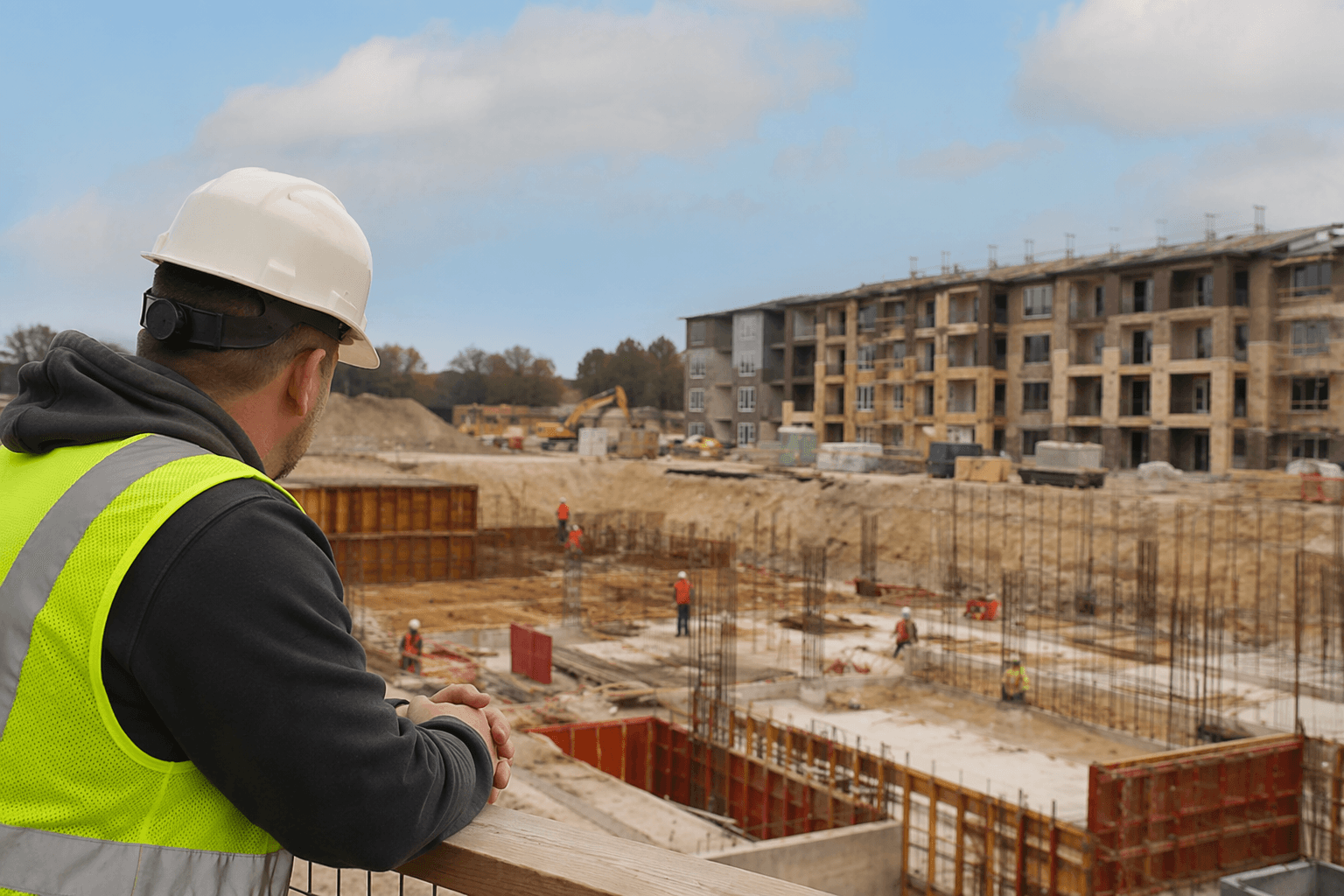
The building-code amendment matters because Allen’s planning and permitting division says the land development code governs development and rezoning rules such as fences, building height and landscaping. Allen’s adopted building codes page currently lists the 2021 editions of the International Building Code, Energy Conservation Code, Fire Code, Fuel Gas Code, Mechanical Code, Plumbing Code, Pool and Spa Code and Residential Code, along with the 2023 National Electric Code as adopted by Texas. By making the commission’s role explicit in local code, the city is locking down the process for future code updates, public notice and consistency as state law requires hearings and model-code adoption in cities over 100,000 people.
The impact-fee work reaches even farther into Allen’s growth math. Texas Local Government Code Chapter 395 requires hearings and periodic updates to land-use assumptions and capital-improvements plans for fees tied to new development, and Allen has used that same firm before, approving similar contracts on Sept. 23, 2014, and July 12, 2022. The city also decided in 2012 that no update was needed after a 2002 study, then later moved ahead with a 2017-2027 analysis of water distribution, wastewater collection and arterial and collector roadway capacity. If the new study pushes fees higher, the added cost can filter into new-home prices or rents as developers recover the expense of serving new projects with pipes, roads and other infrastructure.
The budget workshop will show where Allen wants to spend next. City materials say staff will brief council members on projects that need funding under the strategic plan, and the June 23 workshop packet was posted June 16, signaling that the city is already setting up the 2026-27 fiscal year debate before the spending decisions hit the regular agenda. The unanimous votes left Allen with a clearer code process, a new fee study and a budget calendar that keeps growth planning on a fixed schedule.
This article was produced by Prism’s automated news system from verified source data, official records, and press releases, then run through automated quality and moderation checks before publishing. The system is built and supervised by the people who set the standards it runs under. Read our full AI policy.
Did this article answer your question?