Allen mayoral race decided by 4,070 voters in low turnout election
Only 4,070 Allen voters chose the city’s next mayor, leaving turnout at 5.59 percent in a city with 72,475 registered voters.
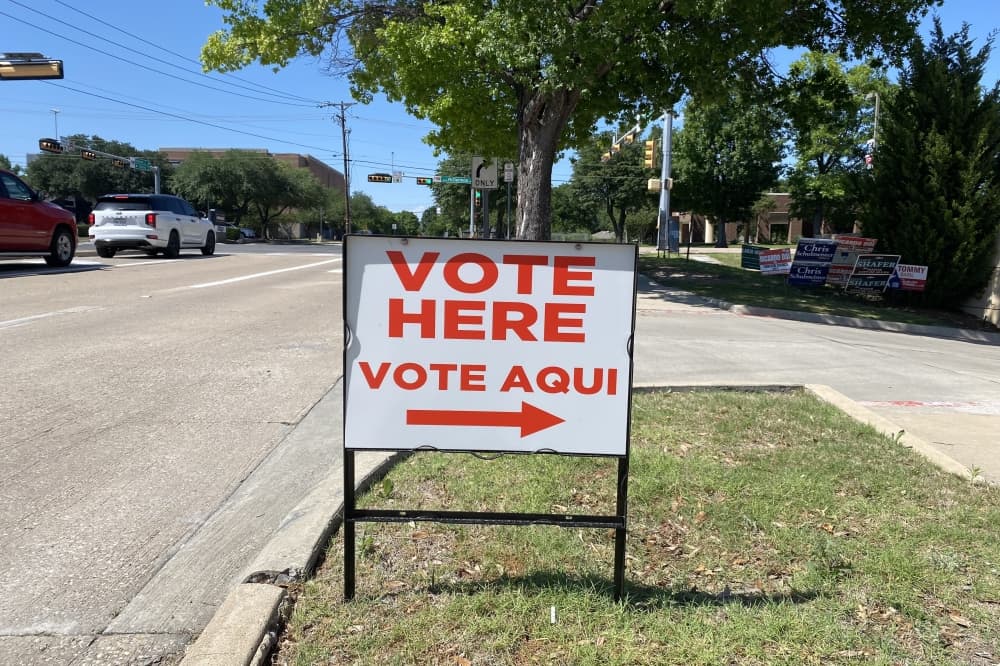
Allen’s mayoral race ended with a clear winner, but the more telling number was the one that barely moved the needle: 4,070 ballots cast in a city with 72,475 registered voters. That translated to turnout of just 5.59 percent, a level that left the next mayor to be chosen by a sliver of the electorate in one of Collin County’s largest suburbs.
Chris Schulmeister won the race with 3,300 votes, or about 81 percent of the ballots cast. Dave Shafer received 770 votes, or about 19 percent. The final count reflected a small update from election-night results, when Schulmeister was shown with 3,278 votes and Shafer with 764. Even with those revisions, the result was never in doubt; the larger question was why so few Allen residents took part.
The mayor’s race was the only contested city race on the May 2 ballot. Councilmember Tommy Baril ran unopposed for reelection, and Allen ISD trustees Polly Montgomery and Bill Parker also faced no opposition. That meant the city’s leadership ballot offered voters one choice, and even then, only a small fraction of registered voters made it to the polls.
Allen’s city structure makes the turnout problem more significant. City council members are elected citywide rather than by district, so the voters who do participate help determine leadership for the entire community. Council members serve three-year terms, with elections staggered to preserve continuity. The May 2, 2026 Council General Election covered the mayor’s office and City Council Place 2, and Schulmeister was scheduled to be sworn in at the May 26 Allen City Council meeting.
The election also marked the end of an era for outgoing Mayor Baine Brooks, who was term-limited and could not run again. Allen’s population reached 107,328 in 2025, according to North Central Texas Council of Governments data, and the city has grown only modestly since 2020. Against that backdrop, a mayoral result decided by 4,070 voters raises a basic civic question for Allen: whether residents are disengaged, content with the status quo, or facing barriers that kept them from a race that will shape taxes, development, public services and school governance across the city.
This article was produced by Prism’s automated news system from verified source data, official records, and press releases, then run through automated quality and moderation checks before publishing. The system is built and supervised by the people who set the standards it runs under. Read our full AI policy.
Did this article answer your question?