Allen police may expand license plate reader network for safety
Allen already has 34 stationary plate readers, and city leaders are weighing whether to add more as police expand a tool used in warrants, investigations and Amber Alerts.
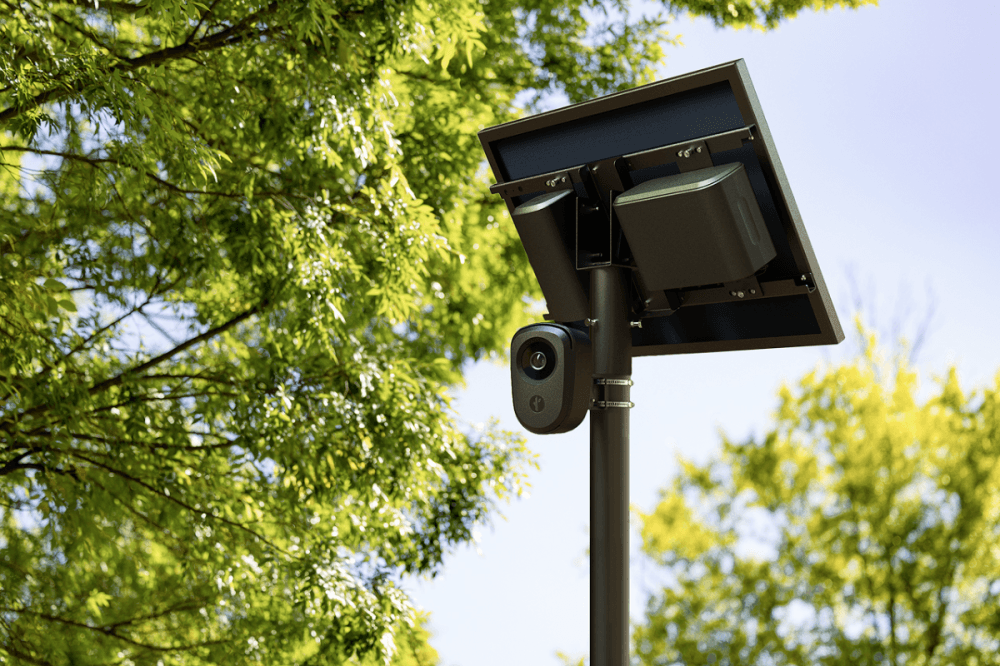
Allen police are signaling that the city could see more automated license plate readers as Chief Steve Dye describes the system as a daily public-safety tool. At a June 23 City Council work session, Dye said the department already operates 34 stationary readers, including 13 Flock Safety devices, and uses them to help identify vehicles tied to warrants, criminal investigations, Amber Alerts and other law-enforcement work.
The network is not a single-camera purchase but a fixed surveillance system spread across the city. The readers capture license plate and vehicle images, convert them into searchable text and let officers search by plate number or vehicle description, which means the system can help after a crime is reported and during real-time calls when officers are looking for a specific car. Flock says the data it collects includes plate images, vehicle characteristics, timestamps and camera location, and that the information is deleted after 30 days by default.

Allen’s use of plate readers dates back more than a decade. The Atlas of Surveillance says the Allen Police Department began using ALPRs in 2013 and added 30 new readers in 2020, showing a steady buildout rather than a one-time experiment. If the city adds more, the expansion would come in a fast-growing community: U.S. Census estimates put Allen’s population at 113,447 on July 1, 2025, an 8.4% increase from the 2020 census base.
The discussion comes as Allen is already pouring money into police infrastructure. Voters approved an $83 million bond in 2023 to help fund a new police headquarters, and the city’s new $97.1 million facility on Century Parkway is expected to open in March 2027. That broader investment gives the license plate reader question added weight, because the city is modernizing both its building footprint and the technology officers use on the street.
The remaining issue is how far the network should go and what guardrails will follow it. The American Civil Liberties Union has raised concerns this year about Flock’s contracting terms and local control of data, while some Texas cities have moved to tighten rules around retention and access. In Allen, any expansion will likely turn on the same questions that shadow other North Texas cities: how long plate data stays stored, who can search it and how much of the public right of way should be under permanent camera coverage.
This article was produced by Prism’s automated news system from verified source data, official records, and press releases, then run through automated quality and moderation checks before publishing. The system is built and supervised by the people who set the standards it runs under. Read our full AI policy.
Did this article answer your question?