Allen trail network tops 100 miles, leads Collin County per capita
Allen’s trail map now tops 102 miles, but the next test is whether those paths connect newer neighborhoods and busy corridors as well as they boost bragging rights.
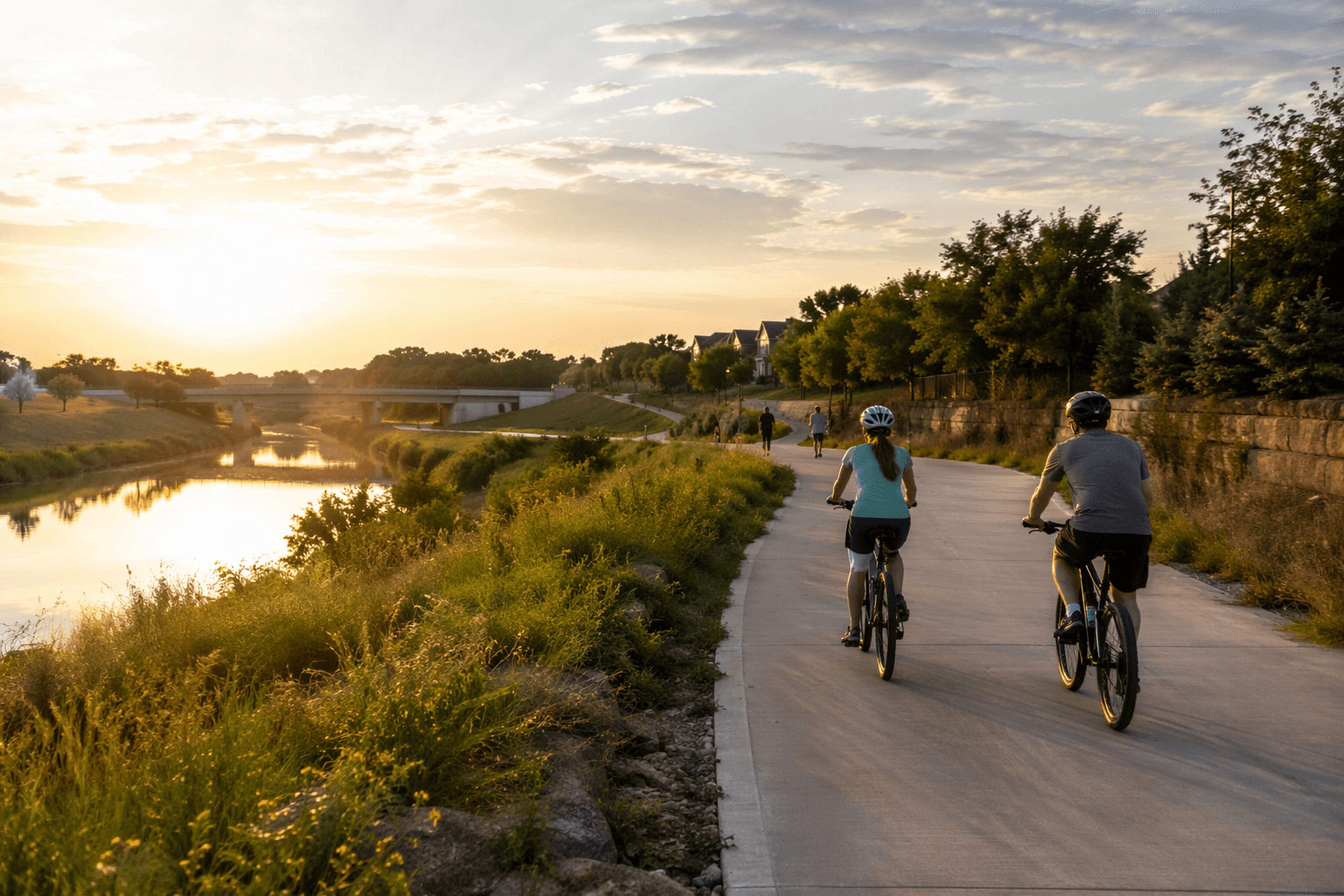
Allen’s hike-and-bike network has crossed 100 miles, a headline number that also raises a harder question: who can actually reach those trails, and how well do they connect the city’s fast-growing neighborhoods, parks and commuter routes?
The city says its system now exceeds 102 miles, or about 0.9 miles of trail for every 1,000 residents, the highest per-capita total in Collin County. That is a major jump from the 83.25 miles previously listed on Allen’s trails page, and city officials say the new figure reflects both recent construction and a comprehensive remapping effort with the Allen GIS team that captured previously unrecorded segments.
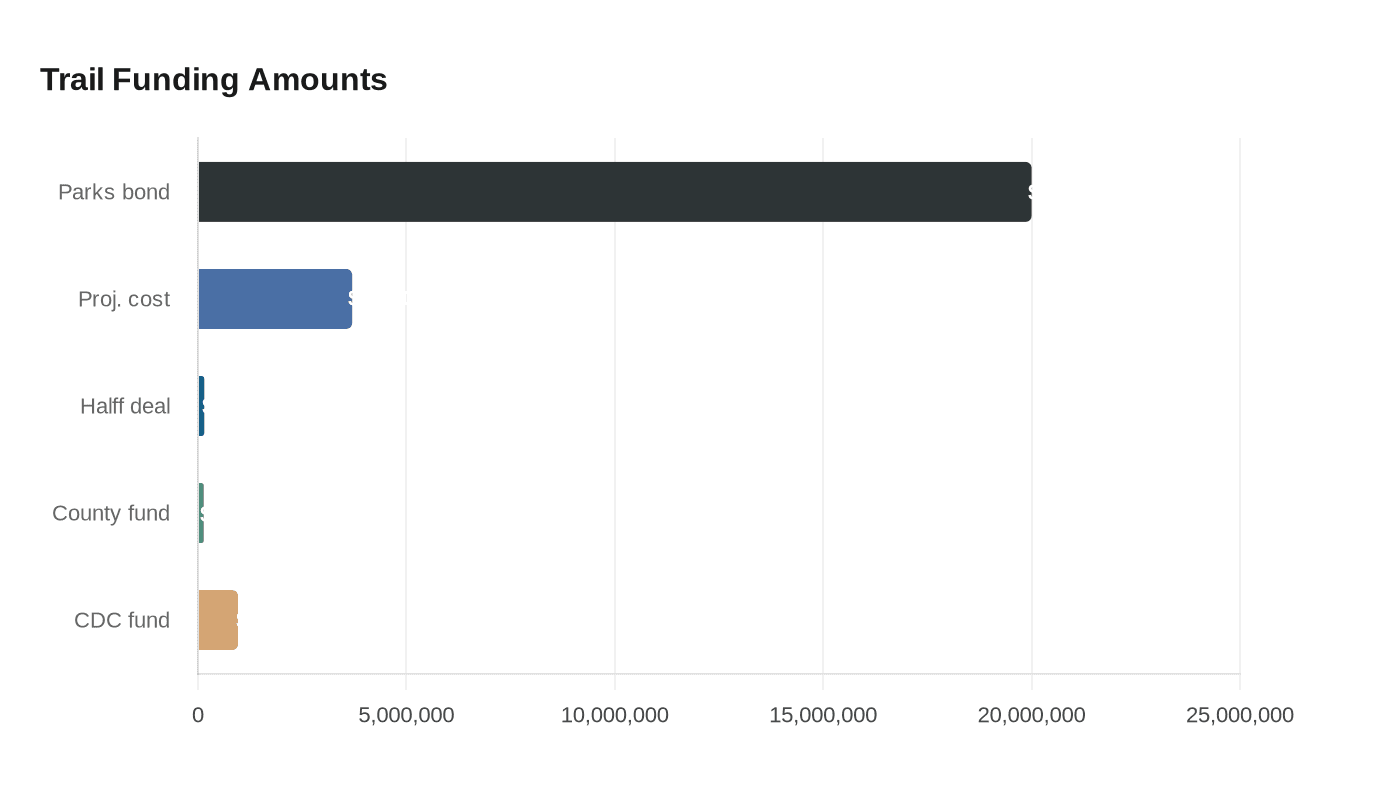
The milestone is not the finish line. Allen says the Rowlett Creek Trail extension will add another 1.67 miles by the end of 2027, with construction starting this summer. A Texas Department of Licensing and Regulation filing for the Rowlett Trail Extension: North Section lists a projected start date of Dec. 1, 2025, a completion date of Aug. 31, 2026 and an estimated cost of $3.7 million.
The city’s trail growth has been driven by years of planning and investment through Allen Parks and Recreation, the Allen Community Development Corporation and grants from federal, state and county sources. Officials also point to private development along the SH 121 corridor, where new projects have increasingly tied into city trail standards as part of the same growth pattern that has reshaped Allen.
That is where the equity question comes in. A trail count can look impressive on paper, but the real public benefit depends on whether the network is usable for daily life, not just weekend recreation. In a city stretching around major corridors such as SH 121 and US 75, the value of a trail mile often depends on whether it helps families reach schools, parks, and neighboring cities without unsafe crossings or long detours.
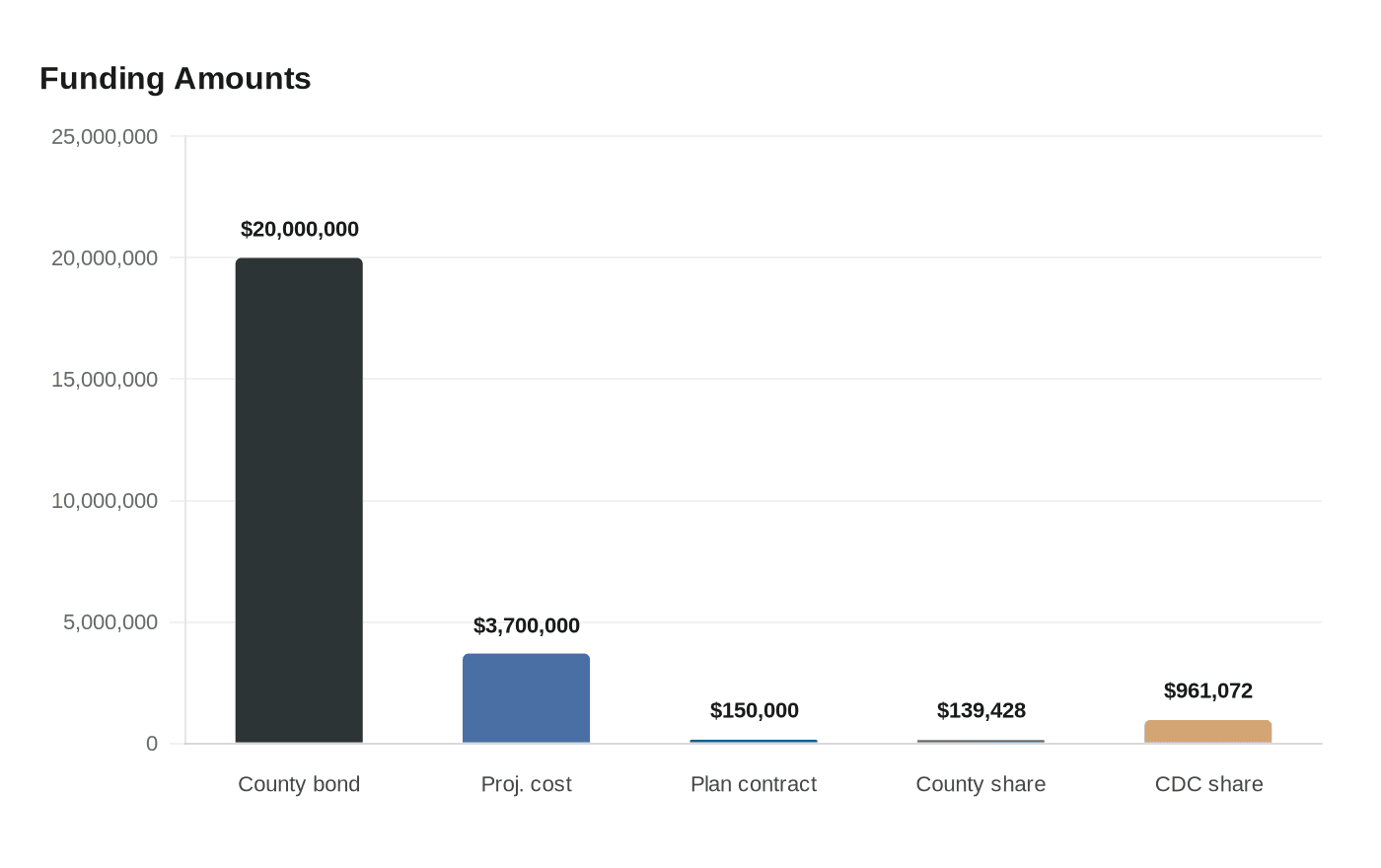
Allen is also updating the playbook that will guide those decisions. City Council approved a $150,000 contract with Halff Associates on April 28, 2026 to update the Trails and Bikeways Master Plan, which dates to 2019. A public survey is expected to open near the end of June and run through July, giving residents a chance to weigh in on where the next investments should go.
Collin County’s own bond program has helped make that growth possible. Voters approved a $20 million parks and open space bond in 2023, and the county says regional trail connectors remain a funding priority. The county opened applications for bond dollars on April 21, 2026, with a July 6 deadline, after already helping fund Allen’s Watters Trail South Connection with $139,428 in county money and about $961,072 from the Allen Community Development Corporation.
For Allen, the 100-mile mark is less a victory lap than a test of whether the city’s trail boom is keeping pace with where people actually live, move and spend time outdoors.
This article was produced by Prism’s automated news system from verified source data, official records, and press releases, then run through automated quality and moderation checks before publishing. The system is built and supervised by the people who set the standards it runs under. Read our full AI policy.
Know something we missed? Have a correction or additional information?
Submit a Tip