Celina City Council Approves $189 Million in Infrastructure Spending for 2026
Celina's city council approved $189 million in capital projects on March 10, launching an $853 million, five-year infrastructure push driven by the city's rapid growth.
The Celina City Council approved roughly $189 million in capital projects at its March 10 meeting, launching what city officials describe as a five-year infrastructure program totaling approximately $853 million, according to Community Impact reporting by Jenna Stephenson and a summary published by Hoodline.
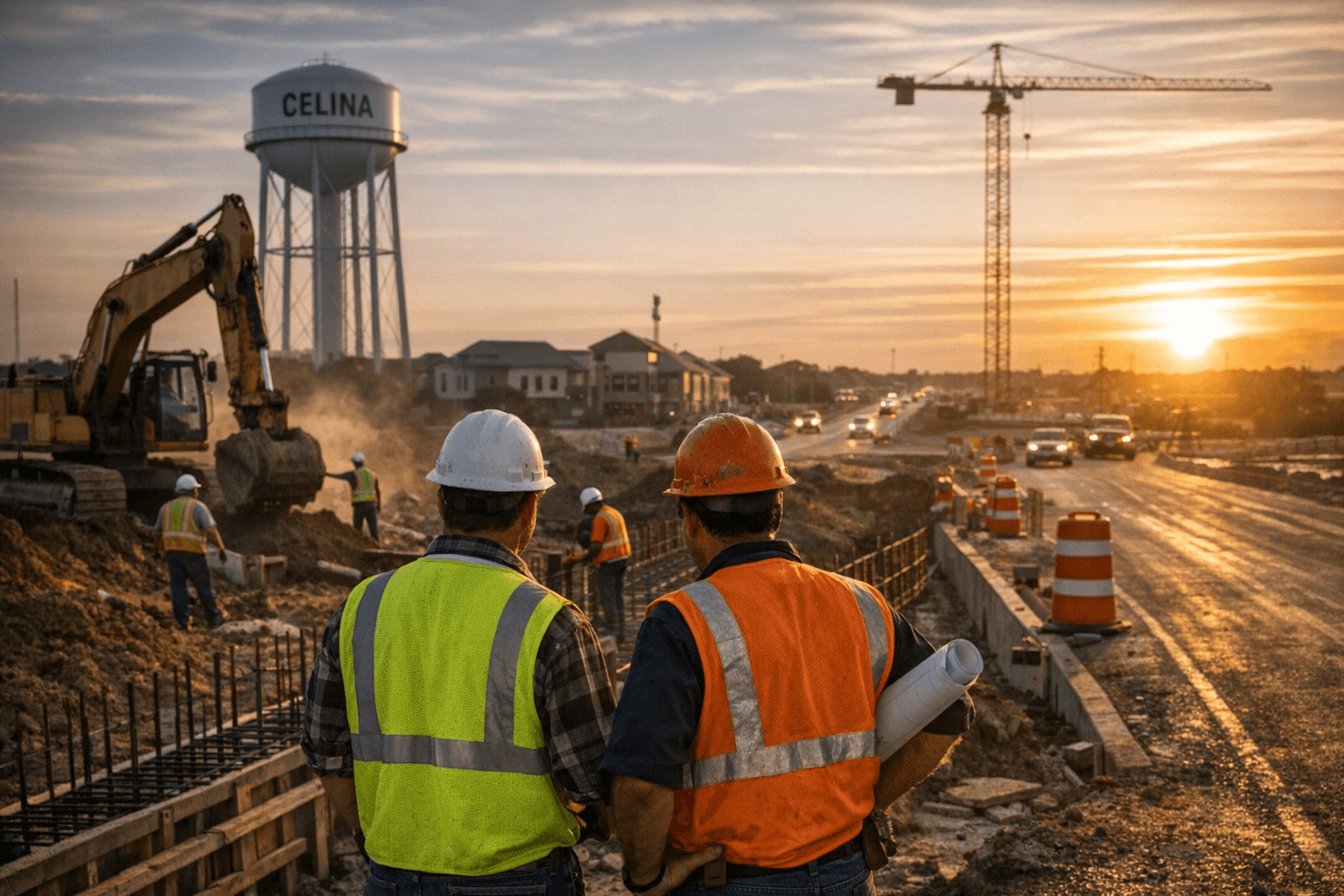
The single-year spending package concentrates on water, sewer and streets, with city officials pitching the work as essential to protect water capacity, shore up drainage and give aging downtown streets a long-overdue rebuild. The five-year plan, which the 2026 budget formally initiates, represents a sustained push to keep Celina's basic infrastructure in step with the rapid residential and commercial growth that has reshaped the city over the past decade.
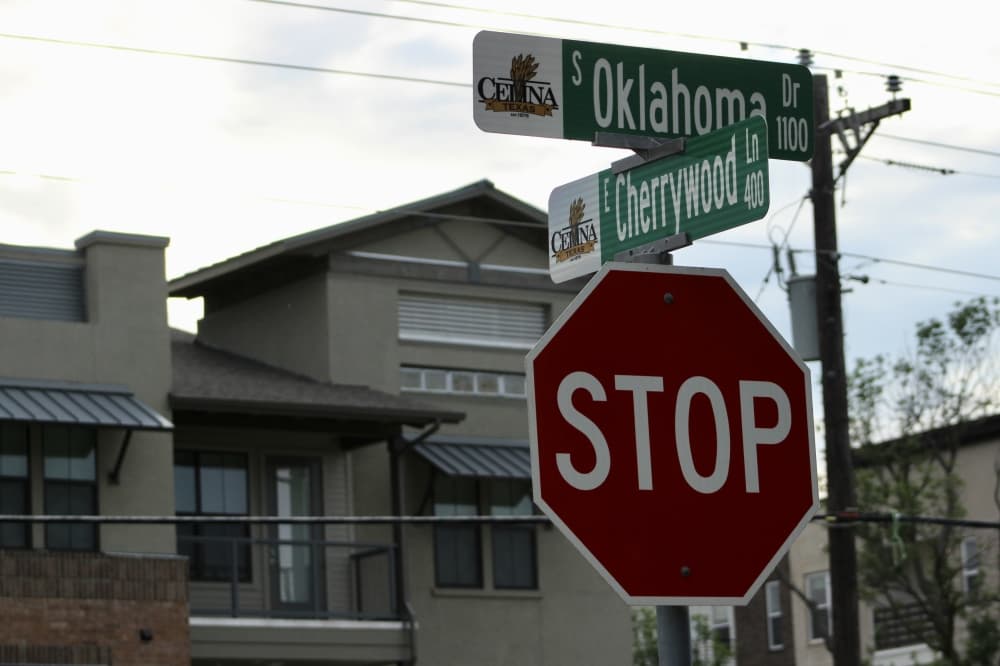
The 2026 allocation breaks down along three primary lines. Roadways receive roughly $68 million, with about $18 million of that total earmarked specifically for downtown Celina streets this year. Community Impact reporting also shows the five-year plan reserves about $86.6 million to convert downtown lanes and alleys to concrete as part of a longer 10 to 15-year strategy, a commitment visible near intersections like Oklahoma Drive and Cherrywood Drive where aging asphalt has long been a concern. Water and sewer infrastructure represent the other major funding thread: the city intends to put nearly $87 million into pump stations, waterlines and sewer improvements in the coming year, according to Community Impact.
Paying for the program will require a combination of cash reserves, developer contributions and long-term debt. The council started the formal debt-issuance process at the March 10 meeting, according to the city's meeting portal. Staff walked through scenarios for staggered debt sales as a way to move high-priority work forward quickly while managing impacts on the tax rate. Final approval for any certificates of obligation or other bond issues will return to the council in separate actions as individual projects advance from planning to construction, with each packet detailing timing and financing specifics.
The March 10 vote marks the first formal step, not the last. Residents should expect additional council actions on project-specific financing in the months ahead as the city moves each component of the five-year program from the planning stage toward ground-level construction.
Know something we missed? Have a correction or additional information?
Submit a Tip