Collin County adds 64,700 residents as North Texas nears 9 million
Collin County added 64,703 residents last year, and Lowry Crossing grew more than 45% as North Texas pushed to 8,952,590 people.
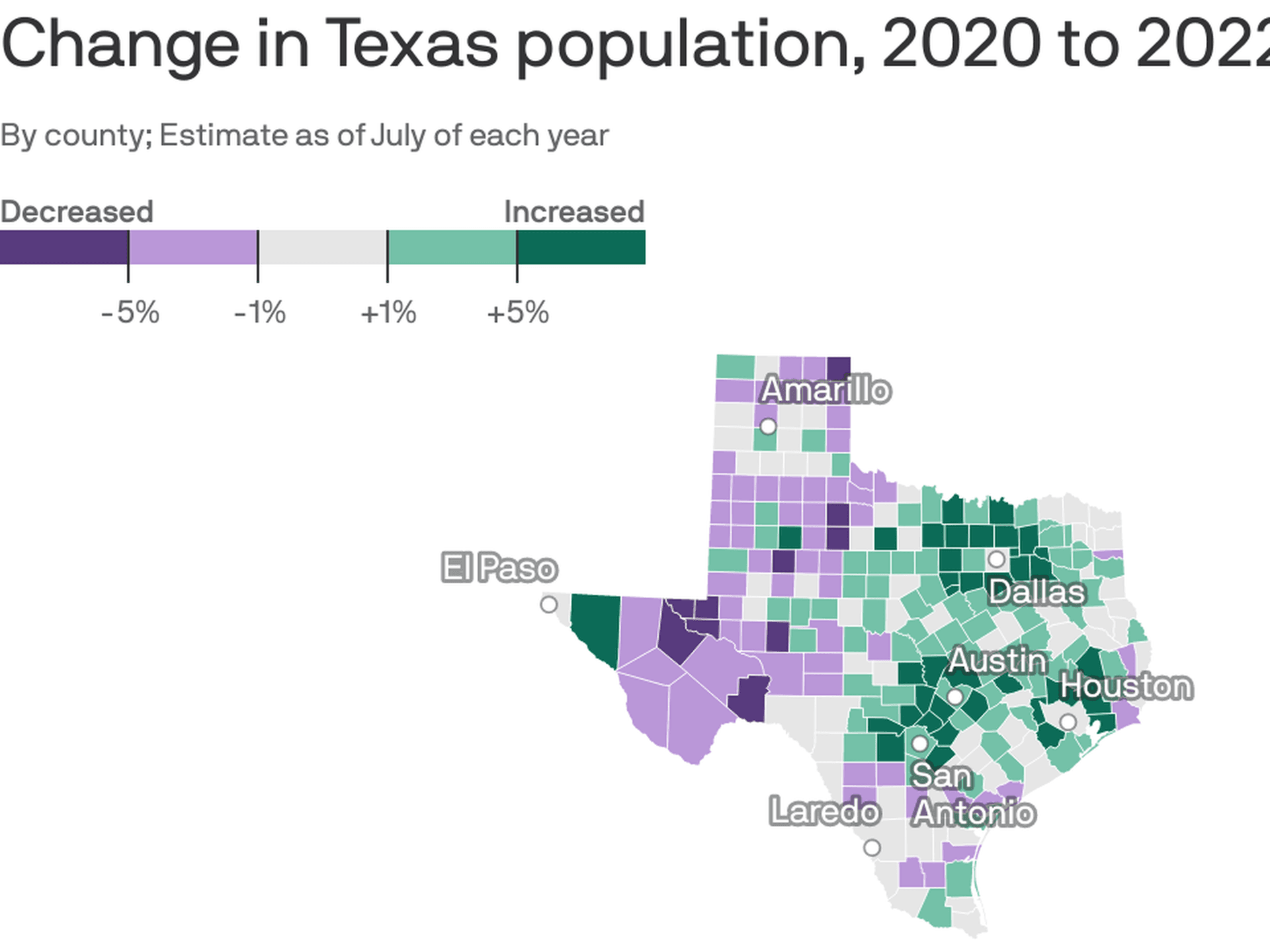
Collin County added 64,703 residents last year, the biggest increase in North Texas, as the region climbed to 8,952,590 people and moved within striking distance of 9 million. The surge is not just a bragging right for Plano, McKinney and their fast-growing neighbors. It is sharpening the pressure on roads, schools, housing and emergency services as more families move into a county already stretched by growth.
North Central Texas Council of Governments data show the region added 203,786 residents in 2025, bringing the total to 8,952,590 as of Jan. 1, 2026. That leaves North Texas more than 1.12 million people larger than it was at the 2020 Census, a jump that continues to reshape the Dallas-Fort Worth area neighborhood by neighborhood and suburb by suburb. A year earlier, the agency estimated regional growth of 234,125 people, to 8,718,500, so the latest gain was slightly smaller but still historically strong.
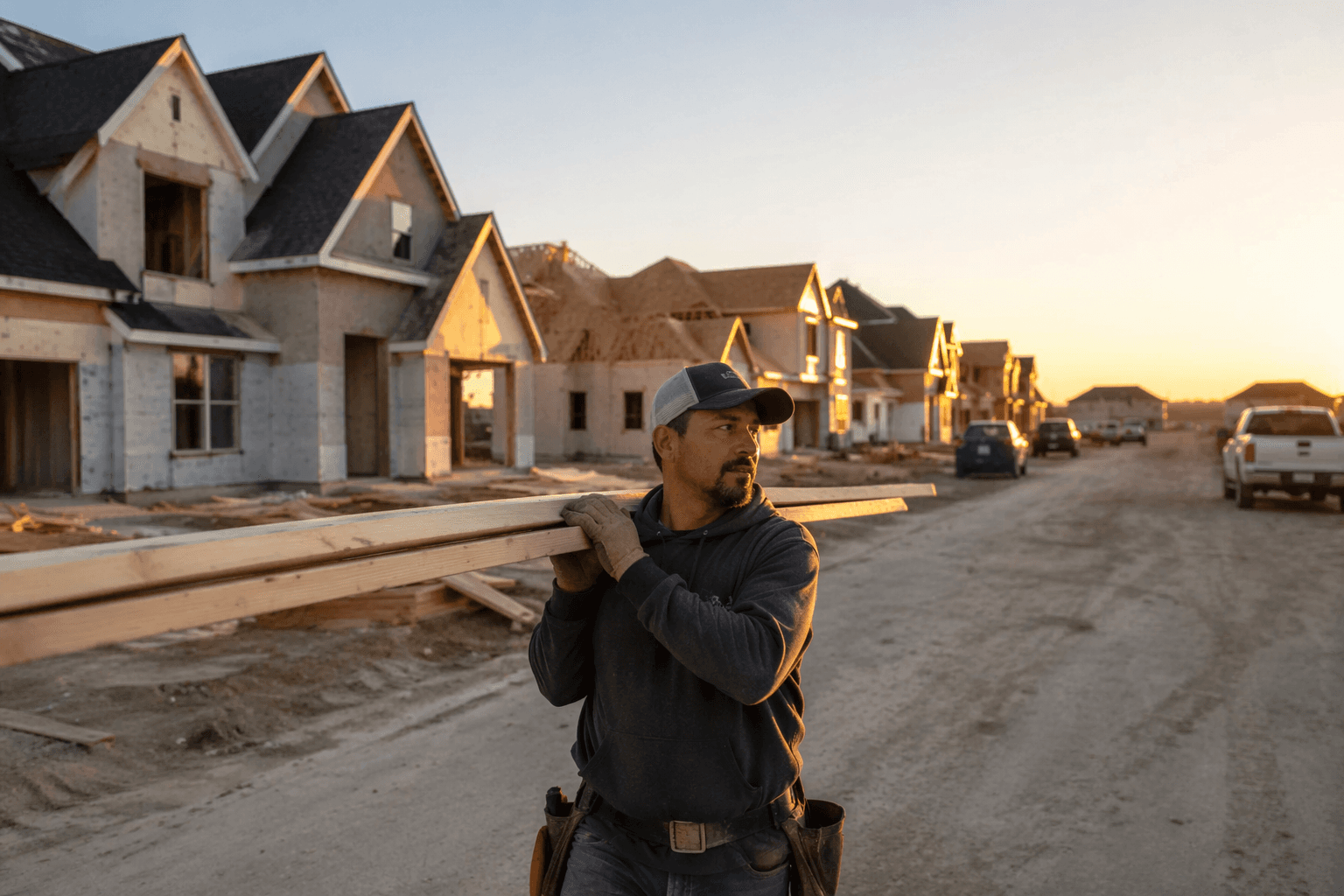
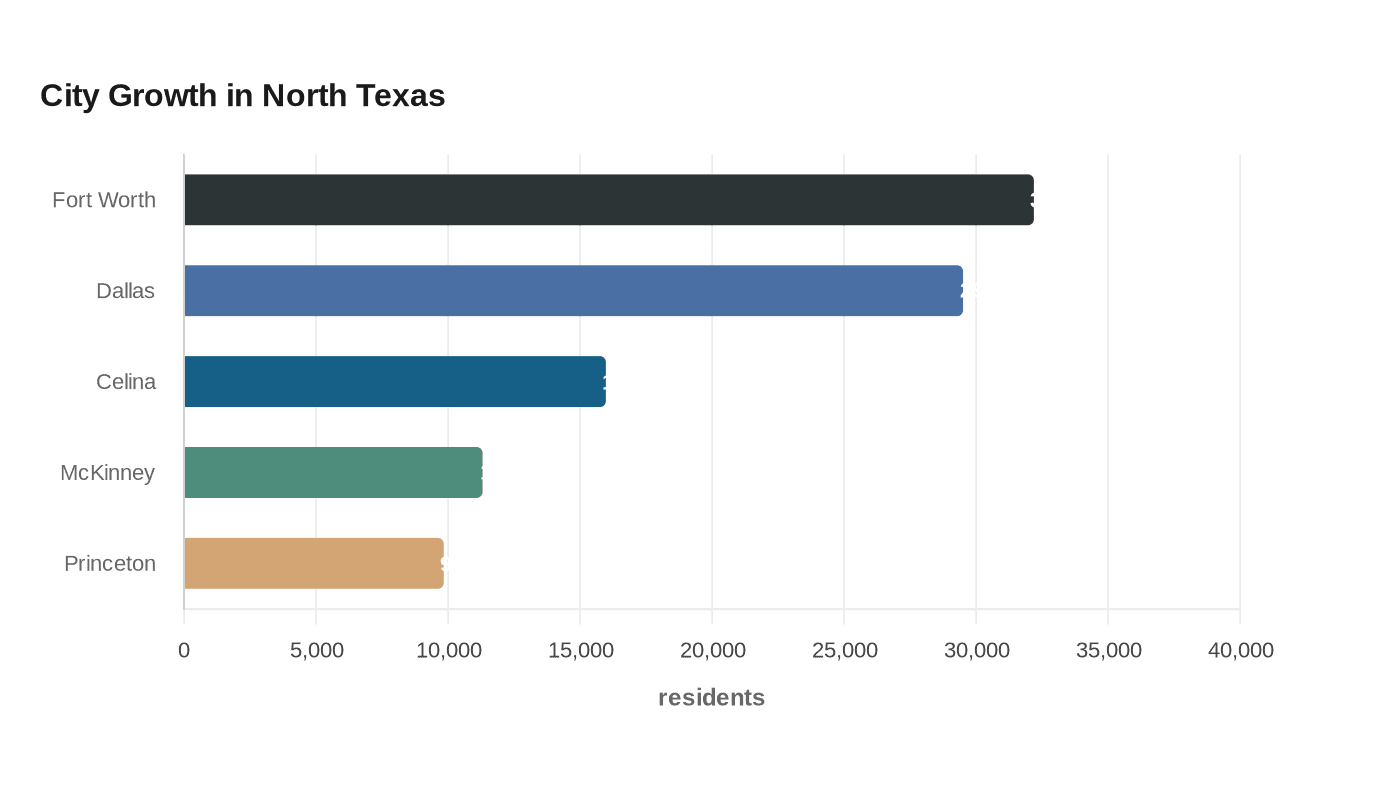
Collin County remains the clearest pressure point. Its 64,703 new residents outpaced every other county in the region, ahead of Dallas County’s gain of more than 45,000, Tarrant County’s 35,746 and Denton County’s 31,635. Among cities, Fort Worth led raw growth with 32,191 new residents, followed by Dallas with 29,510, Celina with 15,980, McKinney with 11,310 and Princeton with 9,838. Lowry Crossing, east of McKinney, was the fastest-growing city in North Texas by percentage, rising by a little more than 45 percent.
That kind of growth has consequences that show up in everyday decisions. North Central Texas says the 12-county Metropolitan Planning Area is projected to reach 11,411,548 residents by 2045, up from 8,153,519 in 2023, and it says all counties in the region except Hunt County already exceed a 45 percent affordability threshold for combined housing and transportation costs. For Collin County families, that means the question is not whether growth continues. It is whether commute times, home prices and public services can keep up.
The transportation system is already shaping up as one of the first tests. Regional leaders approved a study of a possible rail line from Plano to McKinney, a sign that Collin County’s growth is driving transit decisions, not just reacting to them. Sarah Jackson of the North Central Texas Council of Governments said the region will reach 9 million before the next annual estimate and described the change as bringing “growing pains” over where people will live and how they will get around. For Collin County, those growing pains are no longer theoretical. They are arriving in the form of heavier traffic, tighter housing budgets and longer planning horizons for every public agency trying to catch up.
This article was produced by Prism’s automated news system from verified source data, official records, and press releases, then run through automated quality and moderation checks before publishing. The system is built and supervised by the people who set the standards it runs under. Read our full AI policy.
Know something we missed? Have a correction or additional information?
Submit a Tip